icon
UK-Prescribing Pharmacists
icon
No GP Appointments Needed
icon
Fast & Discreet Delivery

About Hay Fever

Hay fever, also known as allergic rhinitis, is caused by the body’s immune response to allergens such as pollen, dust mites, and pet dander. When these allergens enter the body, they trigger symptoms like sneezing, runny nose, and itchy eyes. Understanding the specific triggers can help in managing the condition effectively.

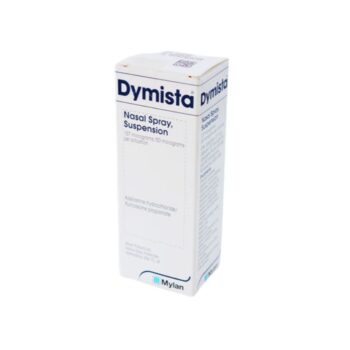
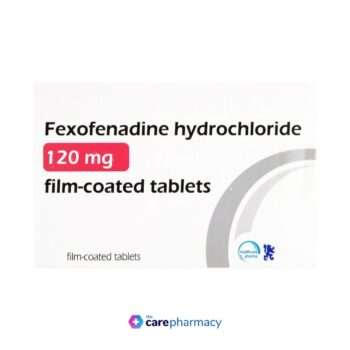
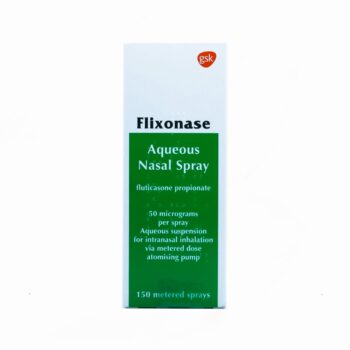
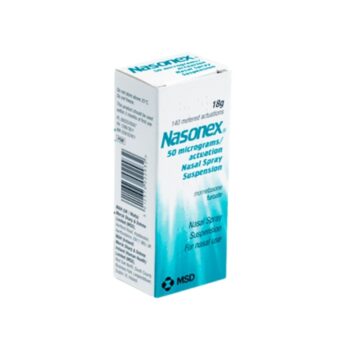
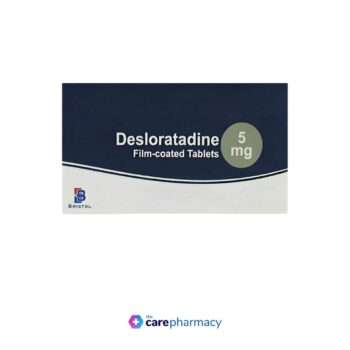
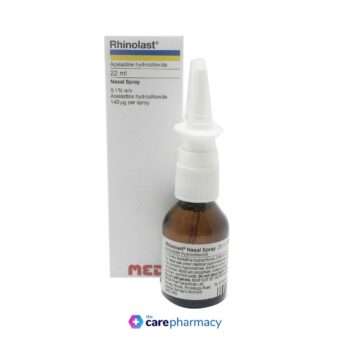
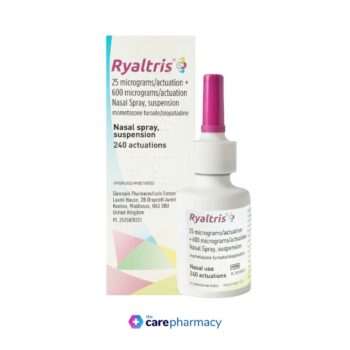
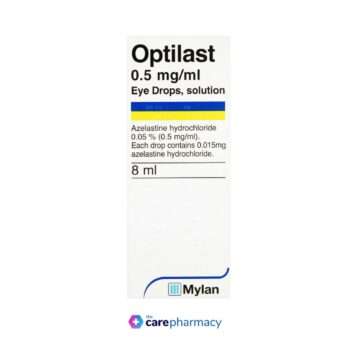
Treatment for hay fever can help alleviate symptoms, especially during peak pollen seasons. Over-the-counter antihistamines, nasal sprays, and eye drops may provide relief for those affected. It’s advisable to Consult The Care Pharmacy for personalised recommendations based on individual needs.

Symptoms and Triggers of Allergic Rhinitis

Common symptoms include persistent sneezing, nasal congestion, a blocked or runny nose, itchy eyes, and sinus pressure. Triggers can vary from person to person and may include pollen, mould spores, dust mites, and animal dander. Identifying your personal triggers is an important step towards reducing flare ups and improving symptom control.

Managing allergic rhinitis often involves a combination of lifestyle adjustments and appropriate treatments. Simple steps such as reducing allergen exposure and following a personalised treatment plan can make a significant difference. Consulting The Care Pharmacy allows you to receive tailored advice and treatment options suited to your symptoms and medical history.

icon-image-1
Online Consultation

Begin your journey by completing a simple online consultation form. This allows us to understand your symptoms and provide tailored advice for managing your hay fever.

icon-image-2
Professional Review

Our qualified healthcare professionals will review your consultation details. They will assess your situation and determine the most suitable options for alleviating your hay fever symptoms.

icon-image-3
Receive Treatment

Once reviewed, you will receive recommendations for effective treatments. If necessary, our team can facilitate a prescription, ensuring you have access to the help you need.

Hay fever, also known as allergic rhinitis, is an allergic reaction to pollen from trees, grasses, and weeds. Symptoms often include sneezing, a runny or blocked nose, itchy eyes, and fatigue. It commonly occurs during specific seasons when pollen levels are high. If you suspect you have hay fever, consider consulting a prescriber for advice.

Common symptoms of hay fever include sneezing, a runny or blocked nose, itchy or watery eyes, and a scratchy throat. Some individuals may also experience fatigue or headaches. These symptoms can vary in severity and may be triggered by exposure to pollen. If symptoms persist, it’s advisable to seek guidance from a healthcare professional.

Managing hay fever symptoms often involves minimising exposure to allergens, using antihistamines, or nasal sprays. Staying indoors during high pollen counts, keeping windows closed, and showering after being outside can also help. For personalised advice on managing your symptoms, consider consulting a healthcare provider.

Yes, children can develop hay fever, often showing symptoms similar to adults, such as sneezing, itchy eyes, and nasal congestion. The onset typically occurs between ages 5 and 20. If you suspect your child has hay fever, it’s best to consult a healthcare professional for appropriate management options.

In the UK, hay fever season typically starts in late March and can last until September, depending on the pollen types. Tree pollen usually peaks in spring, followed by grass pollen in late spring to early summer, and weed pollen in late summer. Monitoring pollen forecasts can help you prepare for symptoms.

Understanding Your Testosterone Replacement Therapy Options in 2026

Everything you need to know about TRT, explained clearly, accessibly, and tailored to how you want to manage your health today: online, on your terms. Testosterone is one of the most important hormones in the male body, and when levels begin to fall, the effects can be wide-ranging and deeply disruptive to everyday life. Yet […]

Read More

How to Get Testosterone Replacement Therapy in the UK: A Complete Online Guide

To get testosterone replacement therapy in the UK, you need to complete a medical consultation, confirm low testosterone levels through a blood test, and receive a prescription from a qualified healthcare professional. This process can be done either through the NHS or a private provider like The Care Pharmacy. Online services make it faster and […]

Read More

Wegovy vs Mounjaro (2026): Which Weight Loss Injection Is Right for You?

The most common question we hear from patients is: Wegovy vs Mounjaro — which one should I choose? This honest, pharmacist-written guide covers clinical trial data, the new Wegovy 7.2mg dose, real-world UK pricing, side effects, NHS access, and how to decide which weight loss injection suits your goals. Updated: March 2026 · 16 min […]

Read More
icon
UK-Prescribing Pharmacists
icon
No GP Appointments Needed
icon
Fast & Discreet Delivery