icon
UK-Prescribing Pharmacists
icon
No GP Appointments Needed
icon
Fast & Discreet Delivery

Treatment Options

Urinary tract infections (UTIs) occur when bacteria enter the urinary system, often affecting the bladder or urethra. Common causes include poor hygiene, holding urine for long periods, or sexual activity. Women are generally more prone to UTIs due to a shorter urethra, which makes bacterial entry easier.

Treatment can help relieve symptoms such as burning during urination and frequent urges to urinate. Drinking plenty of fluids and consulting a healthcare professional for appropriate advice or medication is recommended. Early consultation can support effective management and help prevent complications.

icon-image-1
Online Consultation

Begin by filling out a detailed questionnaire about your symptoms and medical history to help our healthcare professionals understand your condition accurately.

icon-image-2
Reviewed by a Qualified Prescriber

A registered prescriber will carefully review your information to determine the most appropriate treatment options and may contact you for further details if needed.

icon-image-3
Receive Your Treatment

If suitable, your treatment will be dispatched discreetly to your chosen address, allowing you to manage your condition conveniently and privately at home.

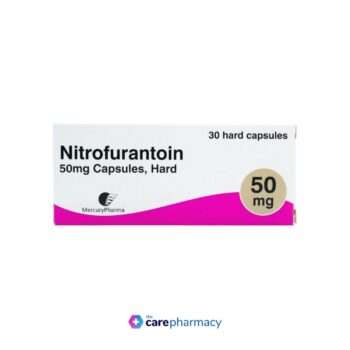
The most effective UTI treatment depends on the type of infection. Trimethoprim and Nitrofurantoin are commonly prescribed first-line antibiotics, helping to clear infections quickly. Amoxicillin for UTI may be used in certain cases when other treatments are not suitable.

With antibiotics for UTIs, symptoms usually improve within two to three days. Without treatment, the infection may last longer and could spread to the kidneys, leading to more serious complications. If you’re wondering how long does a UTI last, starting treatment early can help speed up recovery.

Some mild UTIs may improve without antibiotics, but most require prescription UTI treatment to prevent symptoms from worsening. If symptoms persist or become more severe, seeking medical advice is recommended. While some cases improve without intervention, those wondering can a UTI heal on its own should monitor symptoms closely and seek treatment if needed.

Over-the-counter UTI treatments help relieve discomfort but do not cure the infection. Pain relief sachets, anti-inflammatory tablets, and hydration aids can ease symptoms while waiting for antibiotics to take effect.

The fastest way to get rid of cystitis fast is to start antibiotics for cystitis as soon as possible. Staying hydrated, avoiding caffeine and alcohol, and using cystitis relief products can help ease symptoms while the medication takes effect.

Cagrilintide: What It Is, How It Works, and Why It Could Change Weight Loss Medicine

Weight Loss · Emerging Treatments Cagrilintide: What It Is, How It Works, and Why It Could Change Weight Loss Medicine Everything you need to know about the next generation of obesity treatment — and what happens when it’s combined with a GLP-1. Updated June 2026 · Medically reviewed · 12 min read Important: This guide […]

Read More

Try Our Maximum Strength Hay Fever Bundle for Triple-Action Hay Fever Treatment!

If you have been relying on a single antihistamine tablet to manage your hay fever and still finding yourself sneezing through pollen season, struggling with a persistently blocked nose, or dealing with itchy, watery eyes that make every high-pollen day genuinely miserable, the problem is not that hay fever treatment does not work — it […]

Read More

Is It Blemish-Prone Skin or Acne? Finding the Right Treatment for You

The terms blemish-prone skin and acne are often used interchangeably, but they are not the same thing — and treating them as if they are is one of the most common reasons people spend months cycling through products that never quite deliver the results they need. Blemish-prone skin is a broad description of skin that […]

Read More
icon
UK-Prescribing Pharmacists
icon
No GP Appointments Needed
icon
Fast & Discreet Delivery