icon
UK-Prescribing Pharmacists
icon
No GP Appointments Needed
icon
Fast & Discreet Delivery

About Hay Fever

Hay fever, also known as allergic rhinitis, is caused by the body’s immune response to allergens such as pollen, dust mites, and pet dander. When these allergens enter the body, they trigger symptoms like sneezing, runny nose, and itchy eyes. Understanding the specific triggers can help in managing the condition effectively.

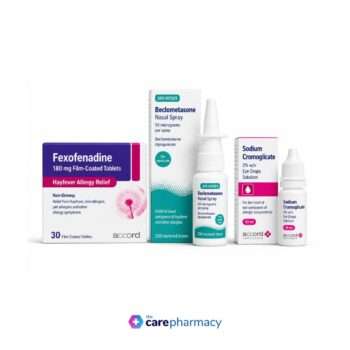
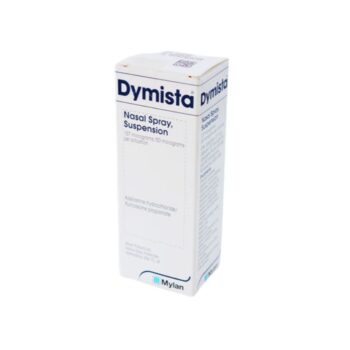
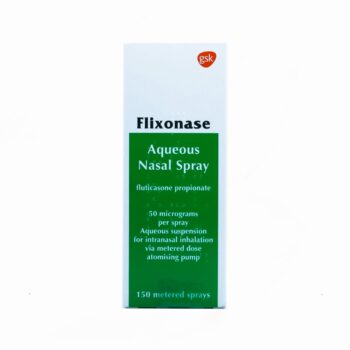
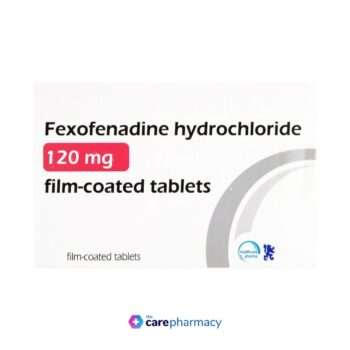
Treatment for hay fever can help alleviate symptoms, especially during peak pollen seasons. Over-the-counter antihistamines, nasal sprays, and eye drops may provide relief for those affected. It’s advisable to Consult The Care Pharmacy for personalised recommendations based on individual needs.

Symptoms and Triggers of Allergic Rhinitis

Common symptoms include persistent sneezing, nasal congestion, a blocked or runny nose, itchy eyes, and sinus pressure. Triggers can vary from person to person and may include pollen, mould spores, dust mites, and animal dander. Identifying your personal triggers is an important step towards reducing flare ups and improving symptom control.

Managing allergic rhinitis often involves a combination of lifestyle adjustments and appropriate treatments. Simple steps such as reducing allergen exposure and following a personalised treatment plan can make a significant difference. Consulting The Care Pharmacy allows you to receive tailored advice and treatment options suited to your symptoms and medical history.

icon-image-1
Online Consultation

Begin your journey by completing a simple online consultation form. This allows us to understand your symptoms and provide tailored advice for managing your hay fever.

icon-image-2
Professional Review

Our qualified healthcare professionals will review your consultation details. They will assess your situation and determine the most suitable options for alleviating your hay fever symptoms.

icon-image-3
Receive Treatment

Once reviewed, you will receive recommendations for effective treatments. If necessary, our team can facilitate a prescription, ensuring you have access to the help you need.

Hay fever, also known as allergic rhinitis, is an allergic reaction to pollen from trees, grasses, and weeds. Symptoms often include sneezing, a runny or blocked nose, itchy eyes, and fatigue. It commonly occurs during specific seasons when pollen levels are high. If you suspect you have hay fever, consider consulting a prescriber for advice.

Common symptoms of hay fever include sneezing, a runny or blocked nose, itchy or watery eyes, and a scratchy throat. Some individuals may also experience fatigue or headaches. These symptoms can vary in severity and may be triggered by exposure to pollen. If symptoms persist, it’s advisable to seek guidance from a healthcare professional.

Managing hay fever symptoms often involves minimising exposure to allergens, using antihistamines, or nasal sprays. Staying indoors during high pollen counts, keeping windows closed, and showering after being outside can also help. For personalised advice on managing your symptoms, consider consulting a healthcare provider.

Yes, children can develop hay fever, often showing symptoms similar to adults, such as sneezing, itchy eyes, and nasal congestion. The onset typically occurs between ages 5 and 20. If you suspect your child has hay fever, it’s best to consult a healthcare professional for appropriate management options.

In the UK, hay fever season typically starts in late March and can last until September, depending on the pollen types. Tree pollen usually peaks in spring, followed by grass pollen in late spring to early summer, and weed pollen in late summer. Monitoring pollen forecasts can help you prepare for symptoms.

Omeprazole vs Lansoprazole UK: Which Acid Reflux Treatment Is Right for You?

Acid reflux treatment guide Omeprazole vs Lansoprazole UK: which acid reflux treatment is right for you? Omeprazole and Lansoprazole are both proton pump inhibitors used to reduce stomach acid. This guide compares how they work, how quickly they may help, key safety points, side effects, UK online buying checks and when to seek medical advice. […]

Read More

Hay Fever and Eczema: Why Allergies Make Your Skin Worse

Pollen season is difficult enough with hay fever alone.  When you have eczema too, it brings an extra layer of misery that most people around you simply do not understand. This is not a coincidence. Both conditions share the same underlying immune pathway: an overactive IgE-mediated hypersensitivity response that causes the immune system to react […]

Read More

Why Adult Acne Happens and How to Actually Treat It

Acne does not stop at twenty.  If you are still breaking out in your thirties, forties or beyond, this is not unusual, and it is not something to be embarrassed about. Adult acne is one of the most common skin concerns seen by prescribers in the UK, affecting an estimated 54% of women and 40% […]

Read More
icon
UK-Prescribing Pharmacists
icon
No GP Appointments Needed
icon
Fast & Discreet Delivery