Compare Providers: Simple Online Pharmacy Mounjaro
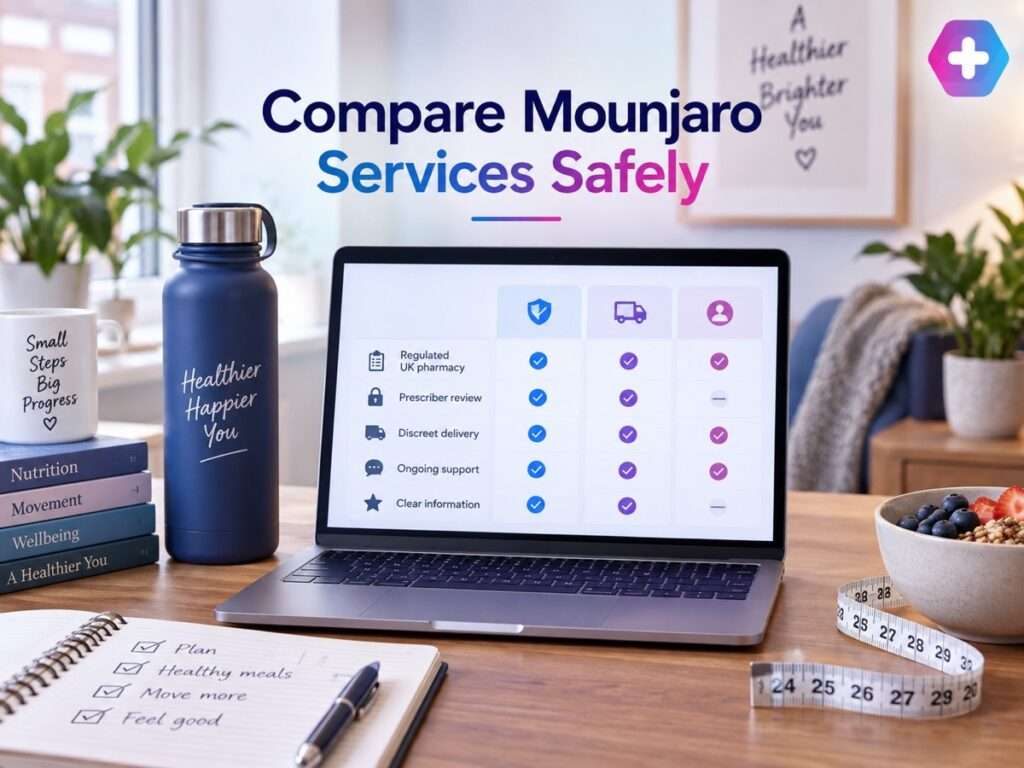
Compare private Mounjaro providers safely, including Simple Online Pharmacy, Care Pharmacy, prescribing checks, cost factors and switching support.
If you are looking for a clinically supported way to lose weight, Orlistat can be a helpful option for many people in the UK. It is one of the most established prescription weight loss treatments and works differently to newer appetite-suppressing injections. Instead of changing hunger hormones, Orlistat helps reduce the amount of fat your body absorbs from food.
This step-by-step Orlistat UK guide from The Care Pharmacy explains how to use Orlistat safely, what results you can expect, and how to improve your chances of success with realistic changes you can maintain long term. If you would like personalised advice, contact us or start an online consultation, and we will guide you through the best next step.
Orlistat, also known as Xenical, works by blocking enzymes in your gut that break down fat. This means some of the fat you eat is not absorbed and passes through your digestive system instead.
What this means in practice:
Orlistat is not suitable for everyone. In the UK, it is typically considered for people with a higher BMI, particularly if weight is affecting health or daily life.
Orlistat may be an option if:
It may not be suitable if you have certain digestive conditions or are pregnant or breastfeeding. A proper clinical assessment is essential. Start an online consultation with The Care Pharmacy to check eligibility safely.

A helpful goal is steady weight loss rather than rapid changes. Even a modest reduction in weight can support improvements in health markers like blood pressure and cholesterol.
A realistic approach could include:
If you want support building a plan that fits your lifestyle, contact us today.
Orlistat works best when you keep meals balanced and avoid high-fat foods. This does not mean removing fat completely, but it does mean being mindful of portions and food choices.
Lower-fat meal ideas include:
If you are unsure what to eat while taking Orlistat, start an online consultation, and we can provide guidance.
Orlistat is usually taken with meals that contain fat. If you skip a meal or eat a meal with no fat, you may not need a dose.
A simple routine is:
Side effects are often linked to how much fat you eat. This is why diet changes are such an important part of Orlistat success.
Common side effects can include:
To reduce side effects:
If side effects are difficult to manage, contact us, and we can advise you on adjustments.

You do not need to start intense workouts to see progress. Small, consistent changes are often easier to maintain.
A simple weekly plan could include:
If you would like a structured plan alongside treatment, start an online consultation form with The Care Pharmacy.
Weight can fluctuate due to water retention, hormones, and digestion. Tracking more than just weight can keep you motivated.
Helpful measures include:
If you want help understanding your progress, reach out to us, and we will support you.
Because Orlistat reduces fat absorption, it can also reduce absorption of fat-soluble vitamins such as A, D, E, and K.
Many people are advised to take a multivitamin while using Orlistat. It is often recommended to take this at a different time of day, such as before bed, rather than alongside Orlistat. We can advise on the best supplements for you.
Orlistat can be a great option for UK patients who want a non-injection route to weight loss, but it is not the only choice. If you are not seeing progress or if your appetite is still difficult to manage, it may be time to review your treatment plan.
At The Care Pharmacy, we also offer injectable weight loss treatments such as Wegovy and Mounjaro. These options work differently from Orlistat and may suit people who need stronger appetite support or prefer a weekly routine.
If you would like to explore Orlistat, Wegovy, or Mounjaro, contact us or start an online consultation, and we will help you choose the most suitable option.
Orlistat can support steady weight loss when paired with a balanced, lower-fat diet and realistic lifestyle changes. The key is following a structured approach, understanding how the medication works, and staying consistent week by week.
If you are ready to begin your Orlistat UK weight loss journey, contact us today or start an online consultation with The Care Pharmacy for personalised support. Book now.
This blog was written in collaboration with Pharmacy Mentor.

Medically reviewed by
Superintendent Pharmacist


Compare private Mounjaro providers safely, including Simple Online Pharmacy, Care Pharmacy, prescribing checks, cost factors and switching support.
Compare private Mounjaro providers safely, including The Family Chemist, Care Pharmacy, pricing checks, prescribing standards and switching support.
Weight Loss Guide, The Care Pharmacy Foundayo Myths vs Facts: What UK Patients Should Actually Know Foundayo (orforglipron) has just been authorised by the MHRA. Here is what is genuinely established, what is being misread online, and what to expect as the tablet reaches UK prescribers. Explore Weight Loss Treatment at The Care Pharmacy […]
Weight Loss Guide, The Care Pharmacy Weight Loss London: Comparing Every Route Before You Choose An honest comparison of the NHS, private in-clinic, and online pharmacy routes to medically supported weight loss in London, including which treatments are available and who qualifies. Explore Weight Loss Treatment at The Care Pharmacy If you are based in […]
Weight Loss Guide • The Care Pharmacy Discover the Top Rated Weight Loss Pills in the UK A clinically grounded guide to the top rated weight loss pills available in the UK, covering how each prescription treatment works, average weight loss outcomes, and how to choose the right option. Explore Weight Loss Treatment at The […]
If you are researching weight loss options and trying to decide between gastric sleeve surgery and prescription weight loss medication, the decision is rarely as straightforward as it might first appear — and cost is only one of the factors worth considering carefully. Gastric sleeve surgery (sleeve gastrectomy) is a permanent surgical procedure that removes […]