Belly fat is one of the most stubborn and clinically significant forms of excess weight — and knowing which exercises actually make a difference is the starting point for addressing it effectively. The honest answer is that no single exercise burns fat exclusively from the abdomen, but a combination of the right types of exercise — specifically cardiovascular training, strength work, and targeted core conditioning — creates the caloric deficit and hormonal environment that drives visceral fat reduction over time. Understanding why belly fat accumulates, how exercise affects it specifically, and which approaches are most evidence-supported transforms a frustrating and often misunderstood topic into a genuinely actionable plan. For patients who are finding that exercise alone is not producing the results they need, prescription weight loss medication can work powerfully alongside a structured exercise programme to accelerate and sustain fat loss in ways that diet and movement alone sometimes cannot. At The Care Pharmacy, our prescribing team supports patients across the UK with clinically appropriate weight loss treatments — and understanding how exercise fits into that picture is part of the service we provide.
Take the first step today — get in touch with our team if you have questions, or complete our online consultation to find out whether prescription weight loss treatment could support your goals.
Start Your Consultation
Quick Answer
The most effective exercises for losing belly fat are those that burn the most calories, reduce visceral fat, and create the hormonal conditions that favour fat oxidation — specifically, a combination of high-intensity cardiovascular training, resistance training, and compound strength exercises. Spot reduction — the idea that you can burn fat from a specific area by exercising that area — is not supported by clinical evidence, meaning crunches alone will not shrink your waistline, but full-body exercise that produces a caloric deficit will reduce visceral fat over time. The most evidence-supported approaches are high-intensity interval training (HIIT), walking at a consistent daily step count, compound resistance exercises such as squats and deadlifts, and aerobic activities such as cycling and swimming that can be sustained over time. For patients who are exercising consistently but not achieving the fat loss they need, prescription weight loss medications can reduce appetite and body weight in a way that makes the exercise effort significantly more productive. The combination of structured exercise and clinically appropriate weight loss medication consistently outperforms either approach in isolation.
Why Belly Fat Is Different — and Why It Matters
Not all body fat is the same. The fat that accumulates around the abdomen exists in two distinct forms, and understanding the difference between them is clinically important.
Subcutaneous fat sits directly beneath the skin — it is the soft, pinchable fat that is visible and that most people are primarily focused on aesthetically. While it contributes to waist circumference and body shape, subcutaneous fat is metabolically relatively inert compared to the second type.
Visceral fat sits deep within the abdominal cavity, surrounding the internal organs including the liver, pancreas, and intestines. Visceral fat is metabolically active — it releases inflammatory cytokines, disrupts insulin signalling, and is directly associated with an increased risk of type 2 diabetes, cardiovascular disease, non-alcoholic fatty liver disease, and metabolic syndrome. This is why waist circumference is a more clinically meaningful measure of health risk than total body weight or BMI alone.
The good news is that visceral fat is generally more responsive to exercise and caloric deficit than subcutaneous fat. Patients who begin a consistent exercise programme often find that their waist measurement reduces significantly even before total body weight changes dramatically, reflecting the preferential loss of visceral fat in the early stages of a structured programme.
Why belly fat accumulates:
- Chronically elevated cortisol — driven by stress, poor sleep, and overtraining — stimulates visceral fat deposition specifically in the abdominal region
- Declining oestrogen levels during the perimenopause redistributes fat storage towards the abdomen in women who previously stored fat predominantly in the hips and thighs
- Insulin resistance promotes fat storage in the liver and abdominal region, creating a self-reinforcing cycle of metabolic dysfunction and further fat accumulation
- Sedentary behaviour reduces the daily energy expenditure that would otherwise offset caloric intake, allowing gradual visceral fat accumulation over years
- High-glycaemic diets and excess alcohol consumption both specifically promote visceral fat accumulation independently of total caloric intake
Can You Spot Reduce Belly Fat?
This is one of the most persistent myths in fitness — and one worth addressing directly before moving on to what actually works.
Spot reduction — the idea that exercising a specific muscle group burns fat preferentially from that area — is not supported by clinical evidence. Performing hundreds of crunches or sit-ups each day will strengthen and develop the abdominal muscles, but it will not preferentially burn the fat layer covering them. Fat loss occurs systemically — your body draws on fat stores from across the body in response to a caloric deficit, and it determines where that fat comes from based on genetics, hormones, and metabolic factors rather than where you happen to be exercising.
What this means practically is that the most effective exercises for losing belly fat are not necessarily abdominal exercises at all — they are the exercises that produce the greatest total caloric expenditure, the most significant hormonal response favouring fat oxidation, and the most sustainable increase in resting metabolic rate. These tend to be full-body compound movements and cardiovascular exercise that engages large muscle groups, rather than isolated core work.
This does not mean core exercises are pointless — strengthening the abdominal muscles improves posture, protects the spine, and produces the visible definition that becomes apparent as overall body fat reduces. But they should be part of a broader programme rather than the primary focus of a belly fat reduction strategy.
The Best Exercises to Lose Belly Fat
The following exercise types have the strongest evidence base for visceral fat reduction and overall body composition improvement.
High-Intensity Interval Training (HIIT)
HIIT involves alternating short periods of maximum-effort exercise with brief recovery periods. It produces a significant post-exercise oxygen consumption (EPOC) effect — sometimes called the “afterburn” — meaning the body continues to burn calories at an elevated rate for hours after the workout ends. Multiple studies have demonstrated that HIIT is particularly effective for visceral fat reduction, often outperforming steady-state cardio of equivalent duration. A 20-minute HIIT session performed three to four times per week is a clinically well-supported and time-efficient approach.
Example HIIT protocols:
- Sprint intervals: 30 seconds of maximum-effort running or cycling, followed by 90 seconds of walking or slow cycling, repeated 8–10 times
- Bodyweight HIIT: circuits of burpees, jump squats, mountain climbers, and high knees with 40 seconds on and 20 seconds rest
- Rowing machine intervals: 500m at maximum effort followed by 2 minutes of gentle rowing, repeated 5–6 times
Brisk walking and daily step targets
Walking is consistently underestimated as a fat loss tool, but the evidence for its effectiveness — particularly for visceral fat — is robust. A daily step target of 8,000–10,000 steps produces significant caloric expenditure over time, improves insulin sensitivity, and reduces cortisol levels, all of which specifically address the hormonal drivers of abdominal fat accumulation. Walking is also sustainable for most people regardless of starting fitness level, making it one of the most practically valuable tools in a long-term belly fat reduction programme.
Compound resistance exercises
Squats, deadlifts, Romanian deadlifts, bench press, rows, and overhead press all engage multiple large muscle groups simultaneously, producing significant caloric expenditure during the workout and — importantly — increasing resting metabolic rate over time as lean muscle mass increases. Muscle tissue burns more calories at rest than fat tissue, meaning that building lean muscle through compound resistance training produces a lasting improvement in metabolic rate that supports ongoing fat loss even on rest days.
Swimming and cycling
Both swimming and cycling engage large muscle groups with low joint impact, making them accessible for patients with joint conditions, excess body weight, or limited mobility. Swimming in particular engages the full body and produces significant caloric expenditure per session. Both activities can be sustained over longer durations than high-intensity work, making them excellent complements to HIIT in a balanced programme.
Core strengthening exercises
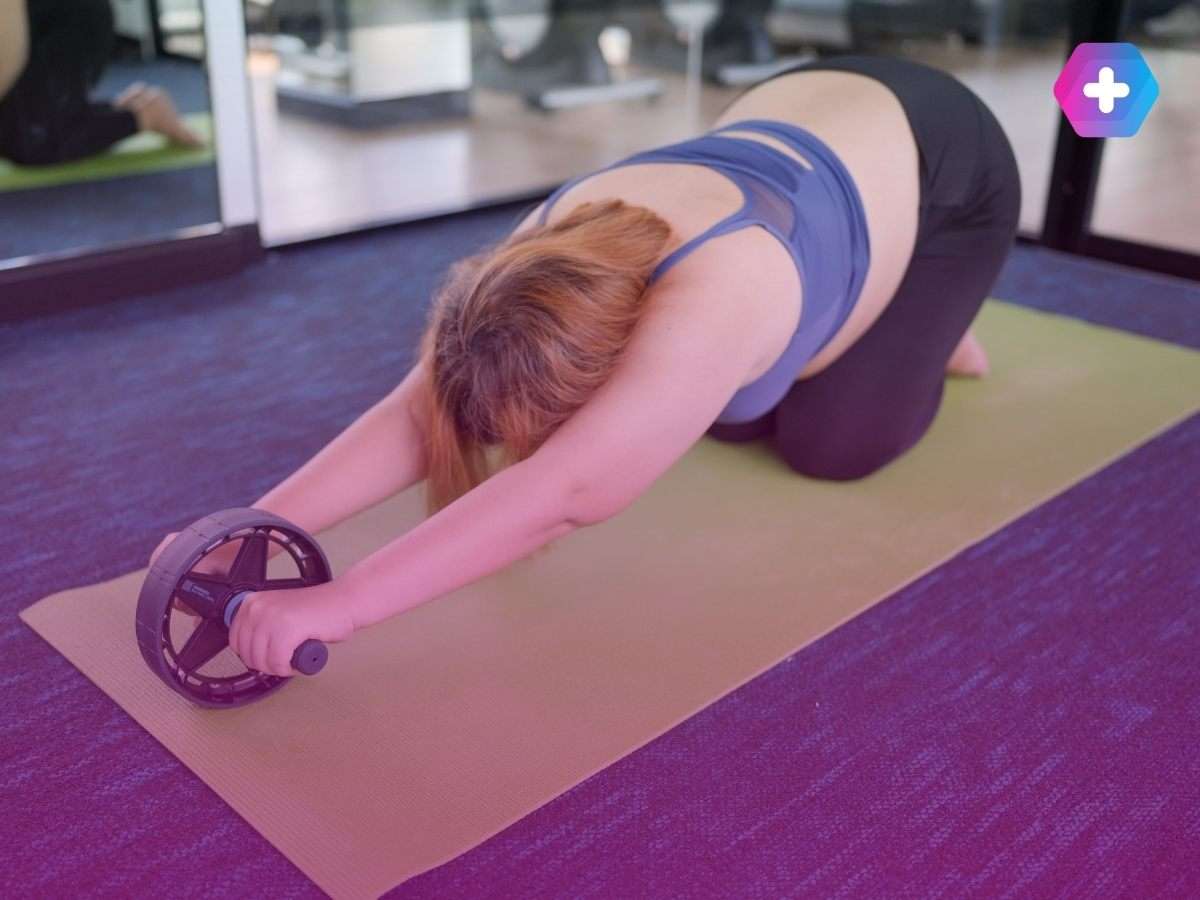
While not primary fat-burning tools, exercises such as planks, dead bugs, hollow holds, and cable woodchops develop the deep abdominal stabilisers that improve posture, reduce lower back pain, and create the muscular definition that becomes visible as body fat reduces. A dedicated core routine of 10–15 minutes two to three times per week is a valuable addition to any belly fat reduction programme.
Exercise Comparison: What Works Best for Belly Fat?
The table below compares the most evidence-supported exercise types for belly fat reduction across the criteria that matter most when building a programme:
| Exercise Type |
Visceral Fat Reduction |
Caloric Burn Per Session |
Metabolic Rate Benefit |
Accessibility |
| HIIT |
Excellent |
High |
High (EPOC effect) |
Moderate — requires reasonable fitness base |
| Compound strength training |
Very good |
Moderate to high |
Excellent — increases resting metabolic rate long-term |
Good — gym or home with basic equipment |
| Brisk walking |
Good |
Low to moderate |
Moderate — improves insulin sensitivity |
Excellent — suitable for all fitness levels |
| Swimming |
Good |
Moderate to high |
Moderate |
Good — low joint impact |
| Core exercises only |
Low — does not burn belly fat directly |
Low |
Low |
Excellent — but best used as a complement |
Why Strength Training Belongs in Your Belly Fat Plan
Strength training is the most underutilised tool in belly fat reduction — and for many patients, adding two to three resistance sessions per week produces faster and more sustained results than adding more cardiovascular exercise.
The reason is metabolic. Muscle tissue is metabolically expensive — it burns more calories at rest than fat tissue, meaning that as lean muscle mass increases through resistance training, resting metabolic rate rises. This creates a compounding effect: each kilogram of lean muscle gained raises the number of calories burned throughout the day, including during sleep and sedentary hours, making fat loss progressively easier to sustain.
Compound exercises — those that engage multiple muscle groups simultaneously — produce the greatest metabolic effect. The most clinically relevant compound movements for belly fat reduction include:
- Squats and goblet squats: Engage the quadriceps, hamstrings, glutes, and core — one of the most metabolically demanding movement patterns available
- Deadlifts and Romanian deadlifts: Engage the posterior chain — hamstrings, glutes, and lower back — as well as the core throughout the movement
- Bent-over rows: Engage the back, biceps, and core stabilisers simultaneously
- Overhead press: Engages the shoulders, triceps, and core stabilisers
- Lunges: Unilateral lower body exercise that challenges balance, engages the core, and produces significant caloric expenditure
For patients who are new to resistance training, beginning with bodyweight versions of these movements — bodyweight squats, glute bridges, push-ups, and plank variations — builds the foundational strength and movement patterns needed before progressing to loaded exercises.
The Role of Stress and Sleep in Belly Fat
Exercise is only one component of an effective belly fat reduction strategy, and patients who focus exclusively on their workouts while neglecting sleep and stress management often find their results plateau unexpectedly.
Cortisol and visceral fat
Cortisol — the primary stress hormone — directly stimulates visceral fat deposition in the abdominal region. Chronic psychological stress, poor sleep, excessive caffeine, and even overtraining can all maintain chronically elevated cortisol levels that actively work against belly fat reduction, regardless of how consistently a person exercises. Managing stress through mindfulness, regular physical activity at appropriate intensity, and adequate recovery is as clinically important as the exercise programme itself.
Sleep and fat loss
Sleep deprivation is one of the most potent and underappreciated drivers of abdominal fat accumulation. Poor sleep increases ghrelin (the hunger hormone), reduces leptin (the satiety hormone), elevates cortisol, impairs insulin sensitivity, and reduces motivation for physical activity. Research consistently demonstrates that patients who sleep fewer than seven hours per night lose significantly less fat from a caloric deficit than those who sleep adequately — and a higher proportion of the weight lost by sleep-deprived individuals comes from lean muscle rather than fat.
Prioritising seven to nine hours of quality sleep per night is not optional in an effective belly fat reduction programme — it is a clinically essential component.
Sometimes the most powerful motivation comes not from statistics but from seeing someone else’s real results. Watch how Kirsty transformed her body using prescription weight loss medication alongside a healthier lifestyle:
@thecarepharmacyuk💕 Shared with patient permission Thank you to Kirsty for sharing her experience with us. 💕 Individual results and experiences will vary. Any treatment provided is subject to a consultation and suitability assessment by a healthcare professional.♬ original sound – TheCarePharmacy
When Exercise Is Not Enough: How Weight Loss Medication Can Help
For many patients, a well-structured exercise programme produces meaningful but insufficient results — particularly for those with significant visceral fat accumulation, metabolic conditions such as insulin resistance or PCOS, or a history of weight regain after previous loss attempts. In these cases, prescription weight loss medication is not a replacement for exercise but a powerful clinical adjunct that makes the exercise effort significantly more productive.
GLP-1 receptor agonists such as Mounjaro (tirzepatide) and Wegovy (semaglutide) reduce appetite, slow gastric emptying, and produce a sustained caloric deficit that allows patients to exercise without the hunger and fatigue that so often undermine long-term adherence to a programme. Clinical trial data shows that patients on these medications who also engage in regular physical activity achieve significantly greater reductions in visceral fat than those who take the medication alone.
It is also worth noting that Wegovy is now available not only as a weekly injection but as an oral tablet — the first GLP-1 medication in pill form to receive MHRA approval in the UK. For patients who are committed to their exercise programme and want the appetite-suppressing support of a GLP-1 medication but prefer not to inject, the Wegovy tablet offers a genuinely convenient and injection-free option worth exploring.
The combination of structured exercise, appropriate dietary habits, adequate sleep, stress management, and — where clinically appropriate — prescription weight loss medication is the most effective approach to sustained visceral fat reduction that the current evidence supports. Our prescribing team is here to help you find out whether medication could be a meaningful part of your plan. Complete our online consultation to get started.

Frequently Asked Questions
The following questions are the ones we are asked most frequently by patients who want to understand the relationship between exercise and belly fat.
What exercise burns belly fat the fastest?
High-intensity interval training (HIIT) is the exercise modality most consistently associated with rapid visceral fat reduction in the published evidence, producing significant caloric expenditure during the session and a sustained post-exercise metabolic elevation that continues for hours afterwards. For patients who cannot tolerate high-intensity work, consistent brisk walking combined with compound resistance training is the most accessible and evidence-supported alternative.
How long does it take to lose belly fat with exercise?
Most patients who exercise consistently at sufficient intensity — three to five sessions per week — begin to notice measurable reductions in waist circumference within four to eight weeks, though significant visible changes typically take twelve weeks or more of sustained effort. Visceral fat responds more rapidly than subcutaneous fat to exercise and caloric deficit, meaning internal health improvements often precede visible changes in body shape.
Do sit-ups and crunches reduce belly fat?
Sit-ups and crunches strengthen the abdominal muscles but do not preferentially burn the fat overlying them — spot reduction is not physiologically possible. They are a useful addition to a comprehensive programme for developing core strength and muscular definition, but should not be relied upon as a primary fat loss tool.
Can I lose belly fat without going to the gym?
Yes — brisk walking, bodyweight HIIT circuits, resistance band training, and swimming can all produce significant visceral fat reduction without gym access, provided they are performed consistently and with sufficient intensity to create a meaningful caloric deficit. The most important factor is consistency over time rather than the specific setting in which exercise takes place.
Does walking reduce belly fat?
Yes — consistent daily walking at a brisk pace is one of the most evidence-supported strategies for reducing visceral fat, particularly when combined with a modest caloric deficit. Targeting 8,000–10,000 steps per day improves insulin sensitivity, reduces cortisol, and creates cumulative caloric expenditure that produces meaningful visceral fat loss over weeks and months.
Can weight loss medication help with belly fat specifically?
Yes — GLP-1 medications such as Mounjaro and Wegovy produce significant reductions in visceral fat as part of overall body weight loss, with some studies showing a preferential reduction in abdominal fat relative to total body fat loss. Combining prescription weight loss medication with a structured exercise programme produces greater visceral fat reduction than either approach alone.
A Stronger, Leaner Body is Within Reach
Belly fat is one of the most clinically significant and personally frustrating forms of excess weight — but it is also one of the most responsive to the right combination of interventions. HIIT, compound resistance training, daily walking, adequate sleep, and active stress management are the building blocks of an effective visceral fat reduction programme. What makes them work is not the perfection of any single element, but the consistency of all of them together over time.
For patients who are doing everything right and still finding that progress is slower than expected — or who want to accelerate and sustain their results with clinically appropriate support — prescription weight loss medication is worth exploring as part of a comprehensive plan. The right medication, used alongside a structured exercise programme, can make the effort you are already putting in significantly more productive.
At The Care Pharmacy, our pharmacist-led prescribing team is here to help you find the most appropriate clinical approach for your circumstances. Whether you are just starting out or looking to break through a frustrating plateau, our team is ready to help.
Our team is here whether you need answers or are ready to get started — get in touch, or complete our online consultation to find out whether prescription weight loss treatment could support your goals.
Exercise is the foundation. Let us help with the rest.
Begin a free, confidential online consultation with our pharmacist-led team. Prescription weight loss treatments including Mounjaro and Wegovy available following assessment.
Start Your Consultation
This article was written by Pharmacy Mentor and clinically reviewed by Mohammed Ismail Lakhi, MPharm, MRPharm, Superintendent Pharmacist at The Care Pharmacy. Mohammed is registered with the General Pharmaceutical Council (GPhC registration number 2072815) and leads clinical governance across The Care Pharmacy’s weight management services.
Last reviewed: July 2026
Disclaimer: This article is for general information only and is not a substitute for individual medical advice. Always consult a qualified prescriber before starting any prescription weight loss treatment.
Medically reviewed by
Mohammed Lakhi
Superintendent Pharmacist