Nasonex

£20.00

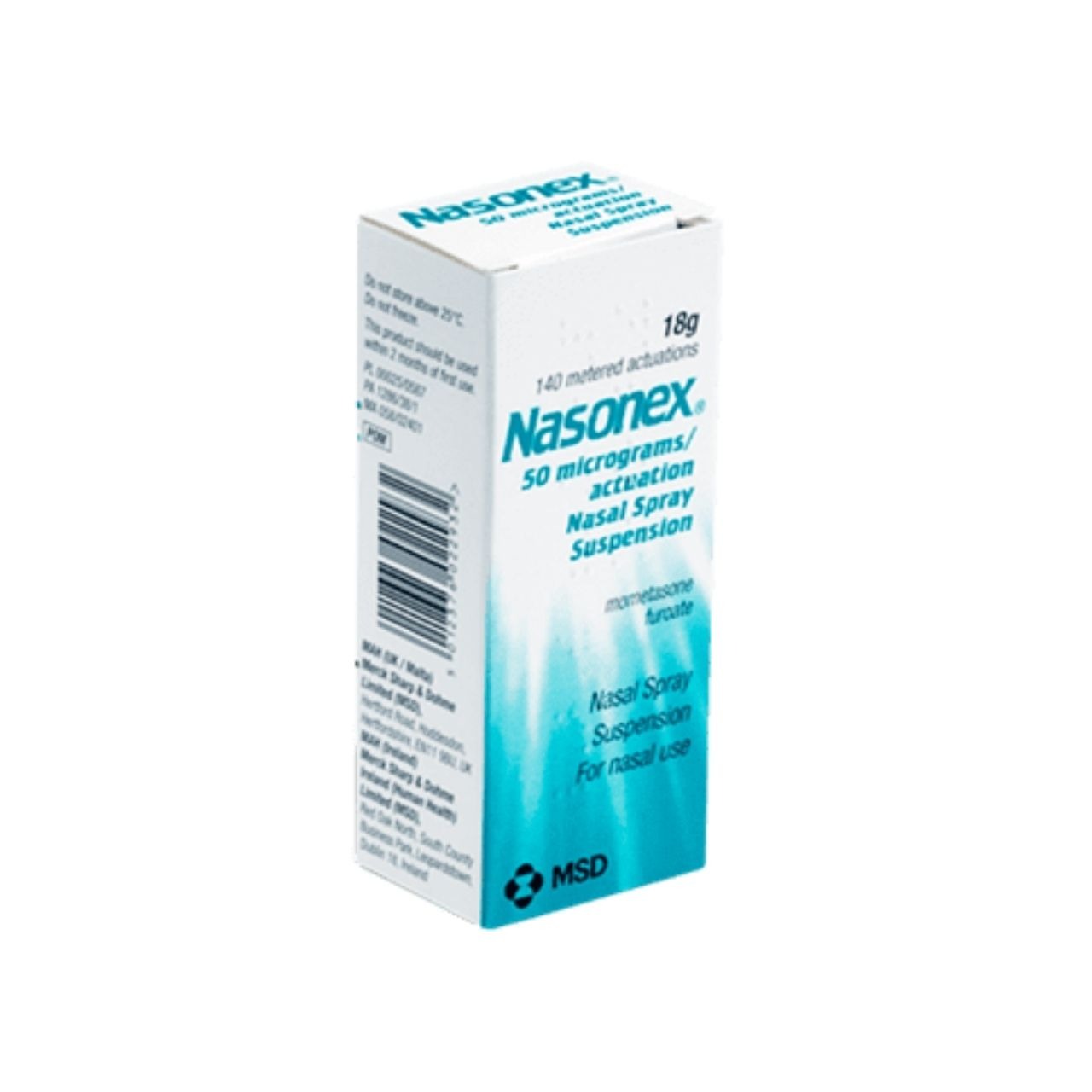
Nasonex Nasal Spray helps relieve symptoms of allergic rhinitis such as sneezing, nasal congestion, and a runny or itchy nose. It contains mometasone furoate, a corticosteroid that reduces inflammation inside the nasal passages to help you breathe more comfortably.

Product Details

  • Strength: 50 micrograms (mcg) per spray
  • Bottle Size: 18g nasal spray bottle
  • Total Doses: Up to 140 sprays per bottle
Request Treatment

icon-1

Type of medicine

Corticosteroid nasal spray used to treat allergic rhinitis, including hay fever and year-round allergies.

icon-2

Active ingredient

Mometasone furoate, a corticosteroid that helps reduce inflammation in the nasal passages.

icon-3

Effective within

Some symptom relief may begin within 12 to 24 hours, with full benefit developing after several days of regular use.

icon-4

Works by

Reduces inflammation and swelling in the nasal lining, helping to relieve congestion, sneezing, itching and a runny nose.

icon-5

Side effects

Common side effects may include nosebleeds, nasal irritation, headache or a sore throat.

icon-6

Not Suitable For

Not suitable for children under 3, individuals with a known allergy to mometasone or any of the ingredients, and caution is advised in those with recent nasal surgery, untreated infections or frequent nosebleeds.

Nasonex is a nasal spray commonly used to help manage symptoms of nasal congestion and allergies. It contains a corticosteroid that works by reducing inflammation inside the nasal passages. This action may help to ease breathing and relieve discomfort caused by seasonal or year-round allergic rhinitis. This treatment might suit adults and children aged two years and older who experience persistent nasal symptoms. People who prefer a non-oral option or want to target nasal symptoms directly may find Nasonex convenient.

It fits well into daily routines, as it requires just one or two sprays per nostril once daily. making it easy to use alongside other treatments.. While Nasonex is generally well tolerated, it is important to follow the instructions carefully. Avoid using it longer than prescribed without consulting a healthcare professional. Those with certain medical conditions or who are pregnant should seek advice before starting treatment. As with all medications, if symptoms persist or worsen, it is best to speak with a prescriber.

In summary, Nasonex offers a targeted approach to managing nasal inflammation related to allergies. By reducing swelling inside the nose, it may help improve comfort and quality of life. Always use it responsibly and under guidance to ensure safe and effective use.

If you are considering treatment, pair it with balanced nutrition, regular activity, and good sleep. A healthcare professional can help you decide if it suits your needs and how to use it safely.

Directions

How should I take Nasonex?

Nasonex is a nasal spray used to help relieve symptoms associated with nasal allergies. Before using, gently blow your nose to clear your nostrils. Shake the bottle well and prime the spray if it’s your first time using it or if you haven’t used it for a while. Insert the nozzle into one nostril, close the other nostril with a finger, and spray while gently breathing in through your nose. Avoid spraying directly onto the nasal septum. After use, wipe the nozzle clean and replace the cap. For best results, use Nasonex regularly as directed by your healthcare professional. If you have any questions, consult your prescriber or pharmacist.

Ingredients

What ingredients are in Nasonex?

Nasonex typically contains the active ingredient mometasone furoate, which is a corticosteroid used to help relieve nasal symptoms. In addition to the active component, the nasal spray includes various inactive ingredients that aid in the delivery and stability of the medication. It is important to check the patient information leaflet provided with the product for a full list of ingredients, including any preservatives or additives. If you have allergies or sensitivities, consulting a healthcare professional before use is advisable to ensure the product is suitable for you.

Warnings

Warnings and precautions

Before using Nasonex, inform your healthcare provider if you have any allergies, infections, or recent nasal surgeries. This medication should be used with caution in individuals with a history of nasal ulcers or trauma. Avoid contact with the eyes, and do not exceed the recommended dosage. If you experience persistent nasal irritation or bleeding, consult your prescriber promptly. Nasonex may interact with certain medications, so it is important to disclose all current treatments to your healthcare professional. Always follow the prescribed instructions to ensure safe and effective use.

What Are The Side Effects Of Nasonex?

Nasonex may cause side effects, although many people use it without significant problems. Common side effects can include nosebleeds, nasal irritation or burning, headache and a sore throat. Some people may also notice dryness inside the nose or mild sneezing after using the spray.

Less commonly, side effects may include nasal ulceration or changes in taste or smell. In rare cases, more serious reactions such as severe allergic reactions, persistent nosebleeds or vision changes can occur. If you experience swelling of the face or throat, difficulty breathing or any severe or unusual symptoms, seek medical advice promptly.

Always use Nasonex as directed and consult a healthcare professional before starting or stopping treatment to ensure it is safe and suitable for your individual health needs.

How Do I Store Nasonex?

Store Nasonex at room temperature and keep it away from direct heat, sunlight and moisture. Do not freeze the spray. Always keep the bottle upright with the cap securely in place when not in use.

Keep Nasonex out of sight and reach of children. Do not use the spray after the expiry date printed on the packaging. If you have any questions about storage or notice any changes in the product, speak to your pharmacist for advice.

Yes, Nasonex can be used daily during allergy season to help control symptoms. Regular use helps prevent inflammation from building up in the nasal passages. If symptoms persist or worsen, speak to your pharmacist or GP for advice.

Yes, Nasonex can often be used alongside antihistamines if your allergy symptoms are affecting multiple areas such as the nose and eyes. A healthcare professional can advise whether combining treatments is appropriate for your symptoms.

Yes, Nasonex can be used in children, as a rule from 3+ depending on the condition being treated. Always follow the dosing instructions provided and consult a pharmacist or GP if you are unsure.

No, Nasonex is a corticosteroid nasal spray and does not typically cause drowsiness. It works locally in the nasal passages to reduce inflammation rather than affecting the whole body.

Nasonex is usually used once daily, although the exact dose may depend on your age and symptoms. Your pharmacist or healthcare professional will advise you on the correct number of sprays for each nostril.

Some people notice improvement within 12 to 24 hours of using Nasonex. However, it may take a few days of regular use to experience the full benefit. Using it consistently as directed helps maintain effective symptom control.