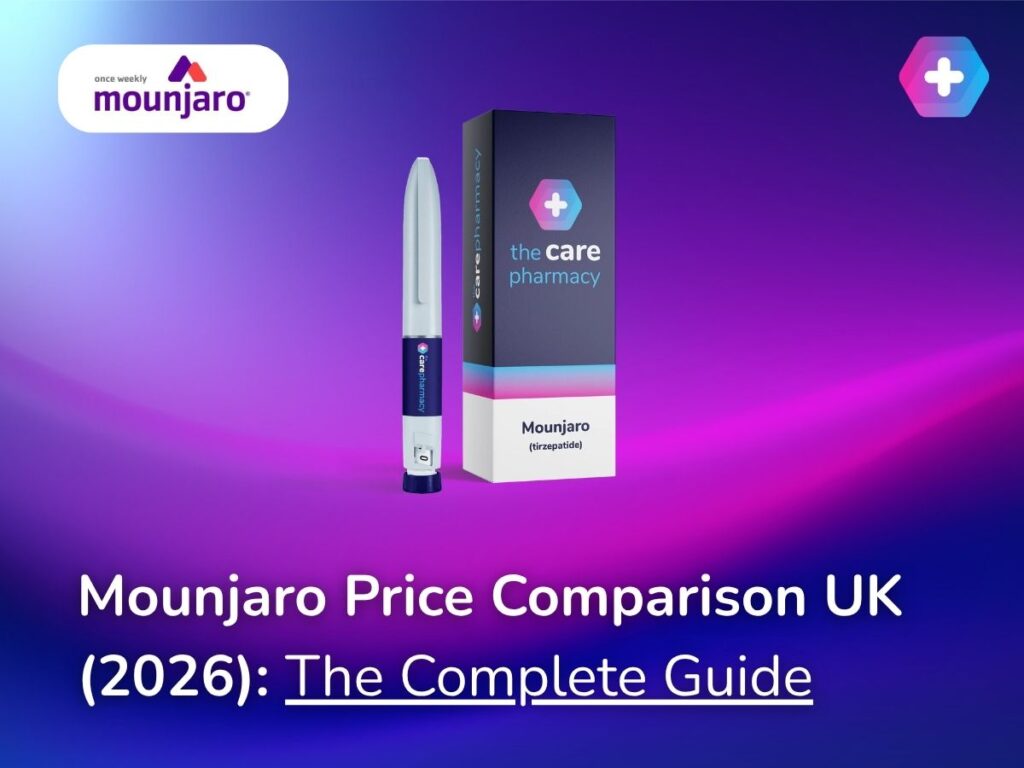
If you are exploring prescription weight management options and wondering whether Xenical or a weight loss injectable is right for you, our clinical team can help.
At The Care Pharmacy, we offer a range of medically approved weight loss treatments, including Xenical and several injectable options. The right choice depends on your health profile, weight loss goals, lifestyle preferences, and how your body responds to treatment.
This guide explains the key differences so you can make an informed decision. Read on or contact us to learn more, or complete our online consultation form so we can assess your eligibility and guide you towards the most suitable treatment.
Start Your Consultation
What Is Xenical?
Xenical is a prescription-only capsule that contains Orlistat. It works differently from injectable medications. Rather than reducing appetite, Xenical blocks the absorption of around one-third of the fat you eat.
It is taken with meals that contain fat, usually three times per day.
Xenical works by:
- Reducing fat absorption in the gut
- Helping create a calorie deficit
- Supporting gradual weight loss
It does not affect hunger hormones or appetite directly.
What Are Weight Loss Injectables?
Injectable treatments such as Mounjaro, Wegovy, and Saxenda work by influencing hormones that regulate appetite and fullness. They help you feel satisfied with smaller portions and reduce cravings.
We currently offer:
- Mounjaro
- Wegovy
- Saxenda
- Nevolat
- Orlistat (also known as Xenical)
- Wegovy pill, expected in 2026
Each option works slightly differently.

How Xenical Compares To Injectables
Here are the main differences between Xenical (Orlistat) and weight loss injections:
Mechanism of action:
- Xenical reduces fat absorption from food
- Injectables reduce appetite and increase fullness
Dosing frequency:
- Xenical is taken with meals, up to three times daily
- Mounjaro and Wegovy are once-weekly injections
- Saxenda is a daily injection
- Nevolat is a daily oral medication
Impact on hunger:
- Xenical does not directly reduce hunger
- Injectables often significantly reduce appetite
Lifestyle considerations:
- Xenical requires careful fat intake management
- Injectables require an injection technique and monitoring
Who Might Prefer Xenical?
Xenical may suit you if:
- You prefer tablets over injections
- You are comfortable managing dietary fat intake
- You want a non-hormonal approach
- You have not tolerated appetite-suppressing medications
However, Xenical can cause digestive side effects if high-fat meals are eaten. These may include oily stools, urgency, and abdominal discomfort.
Who Might Prefer Injectables?
Injectable treatments may be more appropriate if:
- You struggle with constant hunger or cravings
- You have found diet alone ineffective
- You prefer once weekly dosing
- You want stronger appetite control
Mounjaro and Wegovy are often associated with more significant weight loss outcomes compared to Xenical, particularly when combined with lifestyle changes.
Overview Of Each Treatment Option
Mounjaro
A once-weekly injection containing tirzepatide. It works on multiple hormonal pathways and is often chosen for patients seeking substantial appetite suppression.
Wegovy
A once-weekly semaglutide injection. It supports appetite control and long-term weight management.
Saxenda
A daily liraglutide injection. Similar to Wegovy but requires daily administration.
Nevolat
A daily oral weight loss medication. It may suit those who prefer tablets and appetite support.
Wegovy pill
An oral semaglutide option, expected in 2026. It may provide an alternative for those who prefer not to inject.
Orlistat
A capsule taken with meals that reduces fat absorption rather than suppressing appetite.
Key Questions To Ask Yourself
When choosing between Xenical and injectables, consider:
- Do I struggle more with hunger or with high-fat food intake?
- Am I comfortable using injections?
- How important is once-weekly dosing?
- Have I previously experienced digestive sensitivity?
- What level of weight loss support do I need?
Your answers can help guide the most suitable direction.

Effectiveness And Expectations
All prescription weight loss treatments require commitment to diet and activity changes.
With Xenical, success depends heavily on controlling fat intake.
With injectables, appetite reduction often makes calorie control easier. However, side effects such as nausea can occur, particularly during dose escalation.
Weight loss varies between individuals. Some patients respond strongly to hormonal appetite control, while others prefer a more digestive-based approach, such as Xenical.
Enhancing Your Weight Loss Results
Whichever option you choose, whether Xenical or a weight loss injectable, lifestyle changes remain essential for long-term success. Regular exercise plays a key role in improving metabolic health, preserving lean muscle mass, and supporting fat loss. Even moderate activity, such as brisk walking, resistance training, or structured home workouts can enhance your results and reduce the likelihood of regaining weight. Medication can help control appetite or calorie absorption, but consistent movement and strength building are what help maintain progress and improve overall wellbeing.
Finding The Right Treatment for You
There is no single answer to whether Orlistat or injectables are better. The right treatment depends on:
- Your medical history
- Your appetite patterns
- Your lifestyle
- Your previous weight loss attempts
- Your preference for tablets or injections
At The Care Pharmacy, every online consultation is reviewed carefully to ensure treatment is safe and appropriate.
If you are unsure whether Xenical or a weight loss injectable is right for you, contact us or complete our online consultation form so we can help you take the next step with confidence.
Start Your Consultation
This blog was written in collaboration with Pharmacy Mentor.
Medically reviewed by
Mohammed Lakhi
Superintendent Pharmacist