

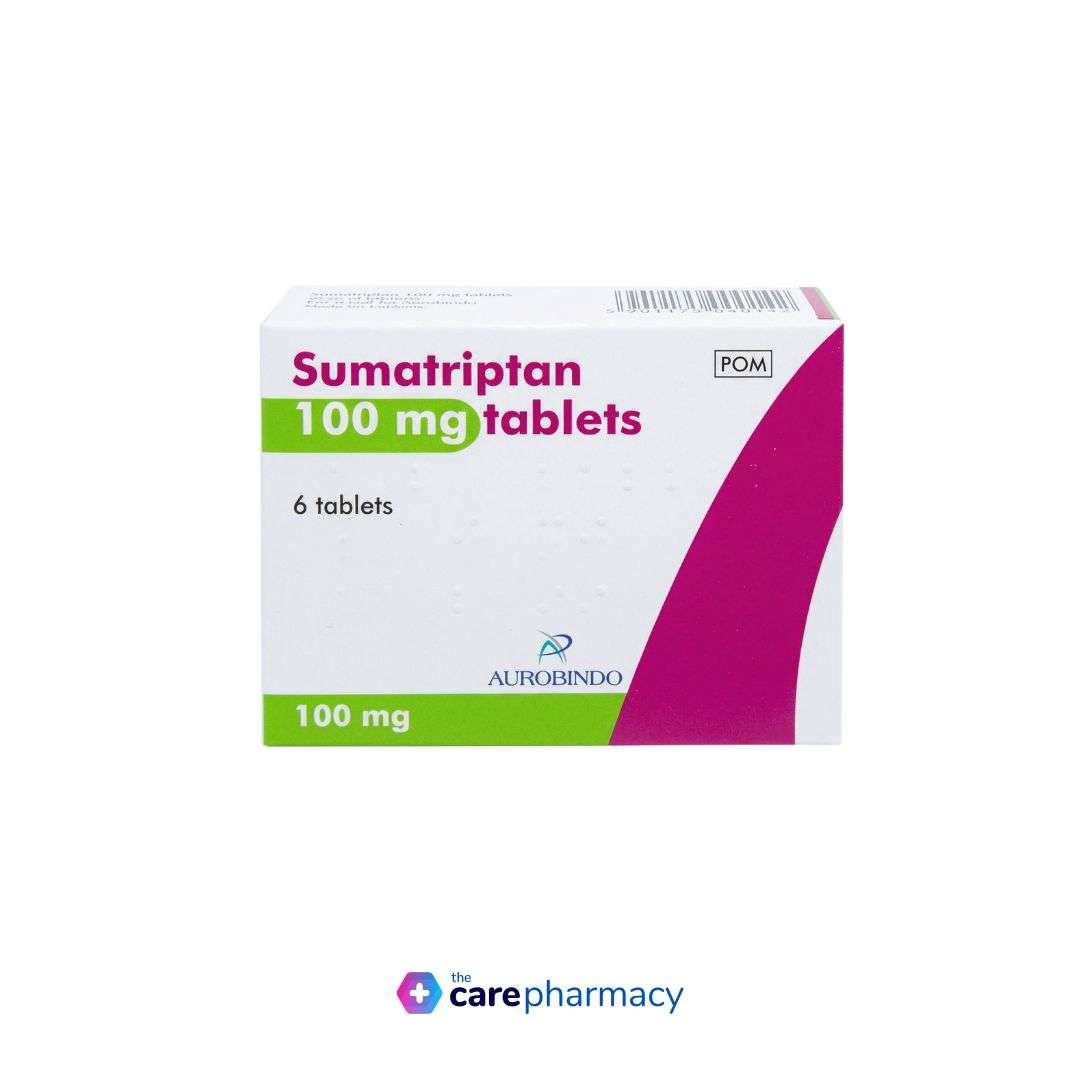
Sumatriptan

Price range: £5.98 through £17.99

Sumatriptan is an effective treatment designed to relieve migraine symptoms such as intense headache, nausea, and sensitivity to light or sound. It works by targeting the cause of migraines, helping to reduce inflammation and restore normal blood vessel function so you can get back to your day more quickly.

For safe and effective use, always take Sumatriptan as prescribed and follow the recommended dosage instructions. If you’re unsure whether it’s the right option for you, our prescribers are available to provide personalised advice and support.

Request Treatment

icon-1

Type of medicine

Prescription tablet used for the acute treatment of migraine attacks with or without aura.

icon-2

Active ingredient

Sumatriptan, a selective serotonin 5-HT1 receptor agonist.

icon-3

Effective within

Relief usually begins within 30 to 60 minutes of taking a dose.

icon-4

Works by

Narrowing blood vessels in the brain and reducing pain signalling associated with migraines.

icon-5

Side effects

May cause nausea, dizziness, flushing, tingling, or a feeling of tightness in the chest or throat.

icon-6

Not Suitable For

Not suitable for people with heart disease, uncontrolled high blood pressure, or a history of stroke.

Sumatriptan is a prescription medication used to treat acute migraine attacks.  It belongs to a group of medicines known as triptans, which are specifically designed to target migraine symptoms at their source.  Sumatriptan works by narrowing widened blood vessels in the brain and reducing the release of inflammatory substances that contribute to headache pain, nausea, and sensitivity to light and sound.

It is used to relieve migraine symptoms once an attack has started.  Sumatriptan does not prevent migraines from occurring and should not be taken as a daily preventative treatment.  It is most effective when taken as soon as migraine symptoms begin.

Sumatriptan is suitable for adults who experience moderate to severe migraines, with or without aura.  It may help relieve throbbing or pulsating head pain, nausea or vomiting, sensitivity to light or sound, and visual disturbances associated with aura.

Many people find that treating a migraine early can reduce the severity and duration of the attack, helping them return to daily activities more quickly.

During a migraine, blood vessels in the brain can widen and inflammatory chemicals are released, contributing to pain and other symptoms.  Sumatriptan works by stimulating serotonin receptors in the brain, which:

  • Cause blood vessels to narrow to their normal size
  • Reduce inflammation around the nerves
  • Interrupt pain signals linked to migraine

Sumatriptan is available in several forms, including tablets, nasal sprays and injections.  Tablets are commonly used and are usually taken as a single dose at the start of a migraine.  If symptoms return, a second dose may be taken after a specified interval, as advised by your prescriber.

The main benefits of Sumatriptan include:

  • Targeted relief for migraine attacks
  • Fast onset of action for many users
  • Available in multiple formulations to suit individual needs
  • Can help reduce disruption to work and daily life

Sumatriptan may be suitable for adults diagnosed with migraine.  However, it is not appropriate for everyone.  You should speak to one of our healthcare professionals before using Sumatriptan if you have a history of heart disease, stroke, or high blood pressure. Also consult a member of our team if you are taking certain antidepressants or other migraine medications, or are pregnant or breastfeeding.

Your prescriber will review your medical history and current medications to ensure that Sumatriptan is safe and appropriate for you.

Always follow the prescribed dose and do not exceed the recommended amount.  Overuse of migraine medication can lead to medication overuse headaches, which may worsen symptoms over time.

Sumatriptan works best as part of a broader migraine management plan.  Identifying triggers, maintaining regular sleep patterns, staying hydrated, and managing stress can all help reduce the frequency of attacks.  Pairing treatment with balanced nutrition, regular activity and good sleep can support overall wellbeing.  If your migraines become more frequent, severe or change in pattern, consult one of our healthcare professionals to review your treatment plan.

How should I take Sumatriptan?

Sumatriptan is typically used to relieve migraine headaches. It is important to take Sumatriptan exactly as directed by your healthcare professional. Usually, it is taken as soon as migraine symptoms begin. Swallow the tablet with water, and avoid taking more than the recommended amount within a 24-hour period. If your symptoms persist or worsen, consult your prescriber for further advice. Do not use Sumatriptan to prevent migraines or take it for headaches that have not been diagnosed by a healthcare provider. Always follow the instructions provided with your medication and speak to your doctor or pharmacist if you have any questions.

What ingredients are in Sumatriptan?

Sumatriptan contains the active ingredient sumatriptan succinate, which belongs to a group of medicines used to help relieve migraine headaches. The exact formulation may also include various inactive ingredients such as fillers, binders, and colouring agents to ensure proper dosage and stability. It is important to check the patient information leaflet provided with your medication for a complete list of ingredients, including any substances you may need to avoid due to allergies or sensitivities. If you have any concerns about the ingredients, please consult your prescriber or pharmacist for personalised advice.

Warnings and precautions

Sumatriptan should be used with caution in individuals with a history of cardiovascular conditions, including high blood pressure or heart disease. It is important to inform your healthcare provider about any other medications you are taking, as interactions may occur, particularly with certain antidepressants or other migraine treatments. Sumatriptan is not suitable for everyone, including those with specific circulatory problems or severe liver or kidney issues. Always consult a prescriber before starting sumatriptan to ensure it is appropriate for your situation and to discuss any potential risks or side effects.

What are the side effects of Sumatriptan?

Sumatriptan may cause side effects, although many people use it without significant problems. Common side effects can include tingling, flushing, dizziness, or a feeling of heaviness or pressure in the chest or throat. These effects are usually temporary.

Some people may also experience drowsiness, fatigue, or nausea. Rare but more serious side effects can include heart-related symptoms or severe allergic reactions.

If you experience severe or unusual symptoms, such as chest pain or difficulty breathing, seek medical advice promptly. Always use Sumatriptan as directed and consult a healthcare professional if you have concerns.

How do I store Sumatriptan?

Store Sumatriptan at room temperature in a cool, dry place, away from direct heat and sunlight. Keep the medication in its original packaging to protect it from moisture.

Keep out of sight and reach of children and do not use after the expiry date printed on the packaging. If you have unused medication, speak to your pharmacist about safe disposal.

Sumatriptan is not intended for daily use or migraine prevention. It should only be taken when you experience a migraine attack. If you find you need it frequently, it’s important to speak with a healthcare professional about alternative or preventative treatment options.
A second dose may be taken if your migraine returns, but only after the recommended time interval and within the maximum daily dose. Always follow the instructions provided by your prescriber to ensure safe and effective use.
The effects of Sumatriptan can last for several hours, helping to ease migraine symptoms during an attack. However, migraines can sometimes return, and a second dose may be recommended if advised by your prescriber.
Sumatriptan is designed to act quickly, with many people starting to feel relief within 30 to 60 minutes of taking a tablet. Injectable or nasal forms may work even faster. For best results, it should be taken as soon as migraine symptoms begin.
While small amounts of alcohol may not cause issues for some people, alcohol can trigger or worsen migraines. It’s generally best to limit or avoid alcohol when using Sumatriptan to ensure the most effective relief.
If Sumatriptan does not relieve your symptoms, or your migraines return frequently, it’s important to speak with a healthcare professional. They can review your treatment plan and recommend alternative options or preventative therapies better suited to your needs.