If you are researching whether weight loss injections are safe, you are likely looking beyond headlines and marketing claims. You want clarity on real risks, long-term safety, side effects, monitoring, and whether these treatments are appropriate for you personally.
Weight loss injections such as GLP-1 based medications are now widely prescribed in the UK, both through NHS pathways and private providers. While they are clinically approved and regulated, safety depends on several important factors including suitability, medical history, correct dosing, and proper monitoring.
In this comprehensive guide, we explore the evidence, the risks, and the practical considerations you should understand before starting treatment. If at any stage you would like personalised advice, start an online consultation and our clinical team can guide you through your options.
Start Your Consultation
Understanding Safety Beyond Headlines
When people ask, “are weight loss injections safe?”, the answer is not simply yes or no. Safety in medicine is always about balance. A medication is considered safe when:
- It has passed rigorous clinical trials
- It is approved by regulatory authorities
- The benefits outweigh the risks for appropriate patients
- It is prescribed and monitored correctly
Weight loss injections used in the UK have undergone large-scale clinical trials involving thousands of participants. However, real-world safety also depends on individual suitability and ongoing review.
If you are unsure whether you are medically suitable, start a consultation to receive tailored advice.
How Clinical Trials Assess Safety
Before approval, weight loss injections go through phased clinical trials. These trials assess:
- Short-term side effects
- Serious adverse events
- Cardiovascular impact
- Effects on blood sugar and metabolism
- Long-term outcomes
Large outcome trials have shown that some GLP-1 based medications may reduce cardiovascular risk in people with obesity and related conditions. This adds to their safety profile when prescribed appropriately.
However, trial populations are screened carefully. This means real-world prescribing must follow strict eligibility and screening criteria.
Common Side Effects and Their Severity
Most safety concerns relate to side effects. The majority are gastrointestinal and occur during dose escalation.
| Side Effect |
How Common |
Typical Severity |
When To Seek Advice |
| Nausea |
Common |
Mild to moderate |
If persistent or affecting hydration |
| Constipation |
Common |
Mild to moderate |
If lasting more than two weeks |
| Diarrhoea |
Common |
Usually mild |
If severe or prolonged |
| Vomiting |
Less common |
Variable |
If repeated or causing dehydration |
| Abdominal pain |
Occasional |
Variable |
If severe or worsening |
| Gallbladder issues |
Uncommon |
Potentially serious |
Immediate medical review required |
| Pancreatitis |
Rare |
Serious |
Urgent medical attention required |
Most side effects improve as the body adjusts. Slow dose escalation is one of the most important safety measures.
Should side effects become a concern, please contact us so we can assess and adjust your plan appropriately.
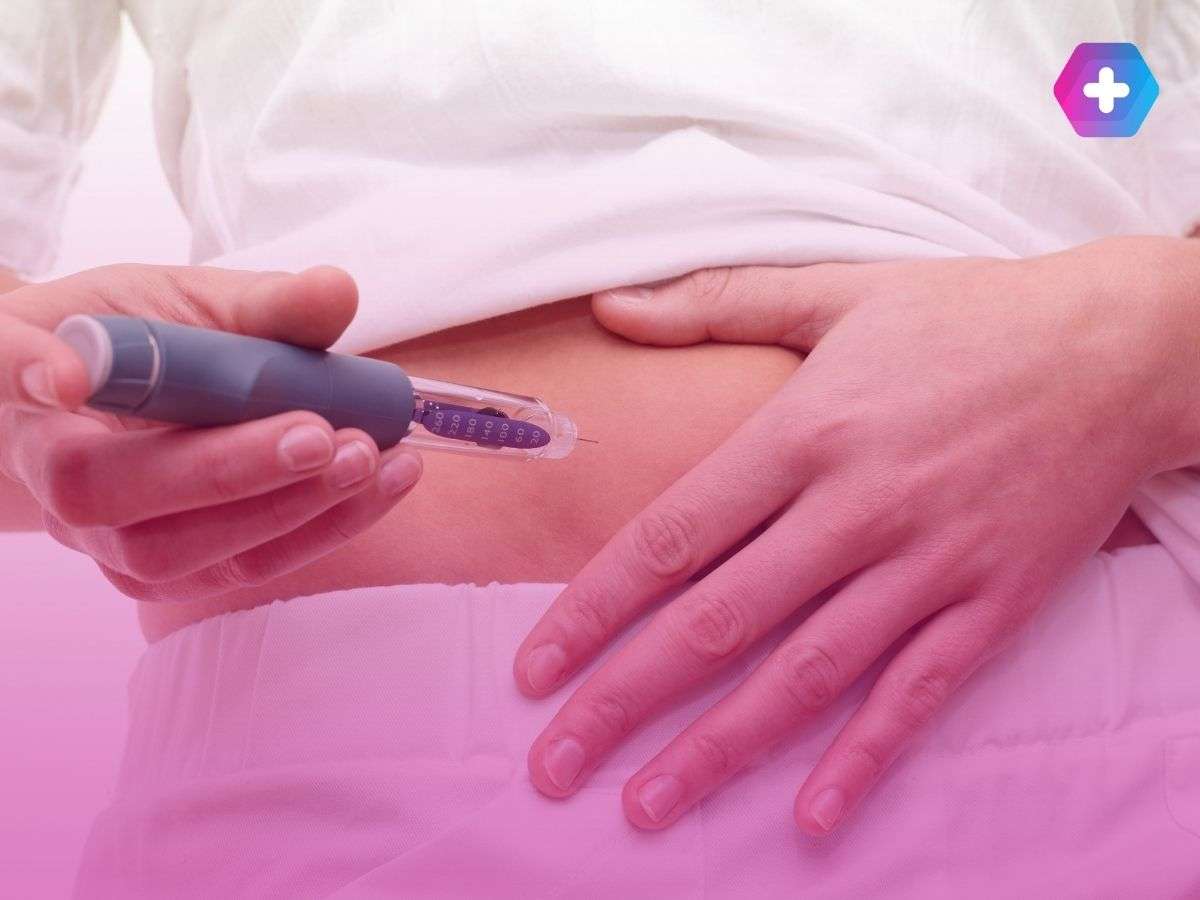
Who Should Not Use Weight Loss Injections?
Weight loss injections are not suitable for everyone. Contraindications may include:
- Personal or family history of certain thyroid cancers
- History of pancreatitis
- Severe gastrointestinal disorders
- Pregnancy or breastfeeding
- Certain complex medical conditions
Proper screening reduces the risk of complications. This is why a structured medical assessment is essential before prescribing.
Are Weight Loss Injections Safe Long Term?
Long-term data is still developing, but several studies now extend beyond two to five years. Current evidence suggests:
- Sustained weight loss can be maintained with continued treatment
- Cardiometabolic markers often improve
- No widespread unexpected safety concerns have emerged in approved populations
However, stopping treatment may lead to partial weight regain. Long-term safety therefore includes planning for maintenance and lifestyle integration.
Considering long-term treatment? Start an online consultation to discuss your goals and expectations.
Cardiovascular Safety and Metabolic Impact
One of the most reassuring aspects of modern weight loss injections is cardiovascular outcome data. Some medications in this class have demonstrated reduced risk of major cardiovascular events in high-risk populations.
This does not mean they are protective for everyone, but it does support their safety profile when prescribed correctly.

Psychological Safety and Eating Behaviour
Safety is not only physical. It is also behavioural and psychological.
Important considerations include:
- Whether appetite suppression is too strong
- Whether eating becomes inconsistent
- Whether expectations are unrealistic
- Whether medication is being used without nutritional structure
Support and follow-up are essential to ensure safe, balanced use.
Risk Reduction Strategies
Safety improves significantly when the following steps are followed:
- Comprehensive medical screening
- Gradual dose escalation
- Regular review appointments
- Clear guidance on side effect management
- Nutrition and hydration monitoring
- Immediate reporting of unusual symptoms
These steps reduce preventable complications and improve tolerability.
Online Prescribing and Safety
Online access to medication can be safe when handled properly. Important safeguards include:
- Verified medical questionnaires
- Clinical review by qualified prescribers
- Identity verification
- Secure dispensing
- Ongoing review availability
Concerns about choosing an online provider can be resolved when you contact us to understand our clinical safeguards.
When Should You Seek Immediate Medical Advice?
You should seek urgent medical attention if you experience:
- Severe abdominal pain that does not resolve
- Persistent vomiting
- Signs of dehydration
- Yellowing of the skin or eyes
- Severe allergic reaction
These are rare but require prompt assessment.
Balancing Risk and Benefit
When considering whether weight loss injections are safe, it is also important to consider the risks of untreated obesity. These include:
- Type 2 diabetes
- Cardiovascular disease
- Sleep apnoea
- Joint degeneration
- Fatty liver disease
Medically supervised weight loss can reduce long-term health risks for a significant number of patients.
Assessing the Risk of Pancreatitis
One of the most discussed concerns when asking are weight loss injections safe relates to pancreatitis. While cases have been reported, it is important to understand that pancreatitis remains rare in properly screened patients.
Risk is higher in individuals who:
- Have a history of pancreatitis
- Have gallstones
- Have very high triglyceride levels
- Consume excessive alcohol
Prescribers reduce risk by carefully reviewing medical history before initiating treatment. Patients are also educated on recognising warning symptoms such as severe upper abdominal pain that radiates to the back.
When prescribed responsibly and monitored appropriately, the overall incidence remains low.
Gallbladder Complications and Rapid Weight Loss
Gallbladder issues are not caused directly by the medication itself in most cases, but rather by rapid weight loss. Any method that leads to significant weight reduction, including bariatric surgery or strict dieting, can increase the likelihood of gallstones.
Safety can be improved by:
- Avoiding extreme calorie restriction
- Ensuring gradual, steady weight loss
- Maintaining balanced fat intake rather than eliminating fat completely
- Reporting persistent right-sided abdominal pain promptly
This is another example of how safety depends on supervision rather than medication alone.
Thyroid Cancer Concerns Explained
Another common question linked to are weight loss injections safe involves thyroid cancer warnings. Some GLP-1 medications carry precautionary labelling due to findings in rodent studies. However, this effect has not been demonstrated in humans at therapeutic doses.
As a precaution, weight loss injections are not prescribed to individuals with:
- Personal history of medullary thyroid carcinoma
- Family history of multiple endocrine neoplasia type 2
In the vast majority of patients without these rare conditions, current evidence does not indicate an increased risk of thyroid cancer.
Kidney Function and Hydration
Kidney complications are uncommon but can occur if dehydration develops, usually due to persistent vomiting or diarrhoea.
Safety measures include:
- Monitoring fluid intake carefully
- Managing nausea early
- Avoiding prolonged fasting
- Seeking review if vomiting continues
Patients with existing kidney impairment may still be eligible, but dosage decisions and monitoring may differ.
Muscle Loss and Nutritional Safety
When discussing the safety of weight loss injections, muscle preservation is an often overlooked factor. Significant calorie reduction without adequate protein intake can contribute to lean mass loss.
Safety in this context involves:
- Ensuring sufficient protein intake
- Incorporating resistance training where possible
- Avoiding excessively low calorie diets
- Monitoring weight loss speed
Preserving muscle mass supports metabolic health and long-term sustainability.
At The Care Pharmacy, we understand the importance of maintaining muscle mass, and we want to help you protect this important muscle while using weight loss medication. Watch our recent TikTok to discover our top tips on how to protect muscle during your weight loss journey:
Psychological Safety and Expectation Management
Weight loss injections are tools, not cures. Psychological safety involves ensuring expectations remain realistic.
Concerns can arise when:
- Patients expect rapid, dramatic transformation
- Weight loss slows and motivation drops
- Medication is used without behavioural support
Structured follow-up improves not only physical safety but emotional wellbeing during treatment.
Stopping Treatment Safely
Another important dimension of the safety of weight loss injections is how they are discontinued. Abrupt cessation is not dangerous in most cases, but appetite often returns, which can lead to weight regain.
A safe discontinuation strategy may include:
- Gradual lifestyle transition planning
- Nutrition adjustments
- Behavioural reinforcement
- Ongoing weight monitoring
Planning for maintenance is part of responsible prescribing.
Interactions With Other Medications
Weight loss injections can slow gastric emptying, which may affect how other oral medications are absorbed.
Extra care may be needed if you take:
- Insulin or diabetes medications
- Blood pressure treatments
- Thyroid medication
- Oral contraceptives
This does not automatically prevent use, but it reinforces the importance of full medication review before starting treatment.
Safety in Older Adults
Age alone does not prevent safe use. However, older adults may be more sensitive to appetite suppression and dehydration.
Careful monitoring is particularly important in patients who:
- Have reduced kidney function
- Are taking multiple medications
- Have frailty or reduced muscle mass
Individual assessment ensures treatment remains appropriate.

How Proper Monitoring Improves Safety Outcomes
Ultimately, the question are weight loss injections safe is strongly linked to how they are prescribed and monitored. Clinical oversight typically includes:
- Initial eligibility screening
- Clear explanation of side effects
- Gradual dose escalation
- Regular progress reviews
- Adjustment where necessary
When these processes are followed, complication rates remain low and outcomes improve significantly.
Metabolic Adaptation and Long-Term Hormonal Effects
To properly assess whether weight loss injections are safe, attention must be given to their role in long-term metabolic regulation. These medications alter appetite signalling and insulin dynamics, but they do not permanently override the body’s natural systems.
Over time, the body may adapt to weight loss by:
- Reducing resting metabolic rate
- Increasing hunger hormones when treatment stops
- Encouraging weight regain if lifestyle changes are not maintained
This is not a safety failure of the medication, but a normal biological response. Responsible prescribing includes planning for maintenance strategies that support metabolic stability.
Bone Health and Rapid Weight Reduction
Significant weight loss from any intervention can influence bone density over time. While current evidence does not show major bone safety concerns with GLP-1 medications, monitoring is sensible in higher-risk individuals.
Higher risk groups may include:
- Postmenopausal women
- Individuals with previous fractures
- Patients with vitamin D deficiency
- Those with low body weight prior to treatment
Ensuring adequate calcium intake, vitamin D levels, and resistance-based activity supports skeletal health during weight reduction.
Gastrointestinal Motility and Long-Term Digestive Effects
Because weight loss injections slow gastric emptying, questions sometimes arise about whether this effect persists long term.
Current evidence indicates:
- Delayed gastric emptying improves over time for many patients
- The body adapts as dosing stabilises
- Symptoms are most pronounced during dose escalation
Persistent severe symptoms are uncommon and warrant reassessment. Gradual titration remains one of the most important protective strategies.
Immune System Considerations
There is no strong evidence suggesting weight loss injections suppress immune function. In fact, improvements in metabolic health may positively influence inflammatory markers.
However, during periods of illness:
- Hydration must be prioritised
- Severe vomiting should prompt review
- Temporary dose delays may occasionally be advised
These measures are precautionary and help prevent secondary complications such as dehydration.
Safety in Patients with Diabetes
People living with type 2 diabetes need additional assessment when considering weight loss injections, because blood glucose levels may shift.
Potential safety factors include:
- Risk of hypoglycaemia when combined with insulin or sulfonylureas
- Need for medication adjustment as weight decreases
- Close glucose monitoring during dose increases
When managed correctly, many patients experience improved glycaemic control alongside weight reduction.
Frequently Asked Questions
No. They are safe for suitable individuals who meet prescribing criteria and are medically assessed.
Most people experience mild side effects during dose increases, but not everyone does. These symptoms are usually temporary and tend to settle as the body adjusts to the medication.
Serious complications are rare but possible. Proper screening significantly reduces risk.
Current evidence supports longer-term use under medical supervision, though ongoing monitoring is important. Regular reviews help ensure the treatment remains effective, well tolerated, and appropriate for your changing health needs.
They are less invasive and carry different risks. Suitability depends on individual health status.
Making an Informed Decision About Weight Loss Injections
So, are weight loss injections safe? Medically suitable individuals who are properly screened, monitored, and supported can use them safely and effectively within regulatory guidelines.
However, safety is not automatic. It depends on proper prescribing, gradual dose increases, attention to side effects, and realistic expectations.
Those exploring treatment options can reach out today for a structured, clinically guided approach. You can contact us or start a consultation to explore whether weight loss injections are appropriate for you and how to use them safely.
Start Your Consultation
This blog was written in collaboration with Pharmacy Mentor.
Medically reviewed by
Mohammed Lakhi
Superintendent Pharmacist