If you have started Mounjaro for weight management, you may be wondering how it fits around real life, including social events, weekends away, and the occasional drink. One of the most common questions we hear at The Care Pharmacy is about Mounjaro and alcohol, and whether it is safe to drink while using this medication.
The short answer is that alcohol is not strictly “banned” for everyone on Mounjaro, but it can affect how you feel, how your body responds to treatment, and how successful your weight loss journey is. Some people tolerate small amounts of alcohol with no major issues, while others find that even one drink triggers nausea, reflux, or low energy the next day.
In this guide, we will explain what can happen if you drink alcohol on Mounjaro, what to watch out for, and how to make safer choices if you do decide to drink.
If you would like tailored advice based on your dose, progress, and medical history, contact us or start an online consultation with The Care Pharmacy.
Start Your Consultation
Why Mounjaro Can Change The Way You Feel After Drinking
Mounjaro (tirzepatide) works by supporting appetite regulation and improving blood sugar control. It also slows down how quickly food leaves your stomach. This is one of the reasons it can help you feel fuller for longer, but it is also why some people experience digestive side effects, especially during the early stages of treatment.
Alcohol can add another layer to this because it can:
- Irritate the stomach lining
- Increase acid reflux symptoms
- Disrupt blood sugar balance
- Dehydrate you
- Lower sleep quality
- Reduce motivation and increase cravings the next day
When these effects combine with Mounjaro, you may feel worse than you expect, even if you normally tolerate alcohol well.
What Happens If You Drink Alcohol On Mounjaro?
Everyone responds differently, but these are some of the most common experiences people report when mixing Mounjaro and alcohol.
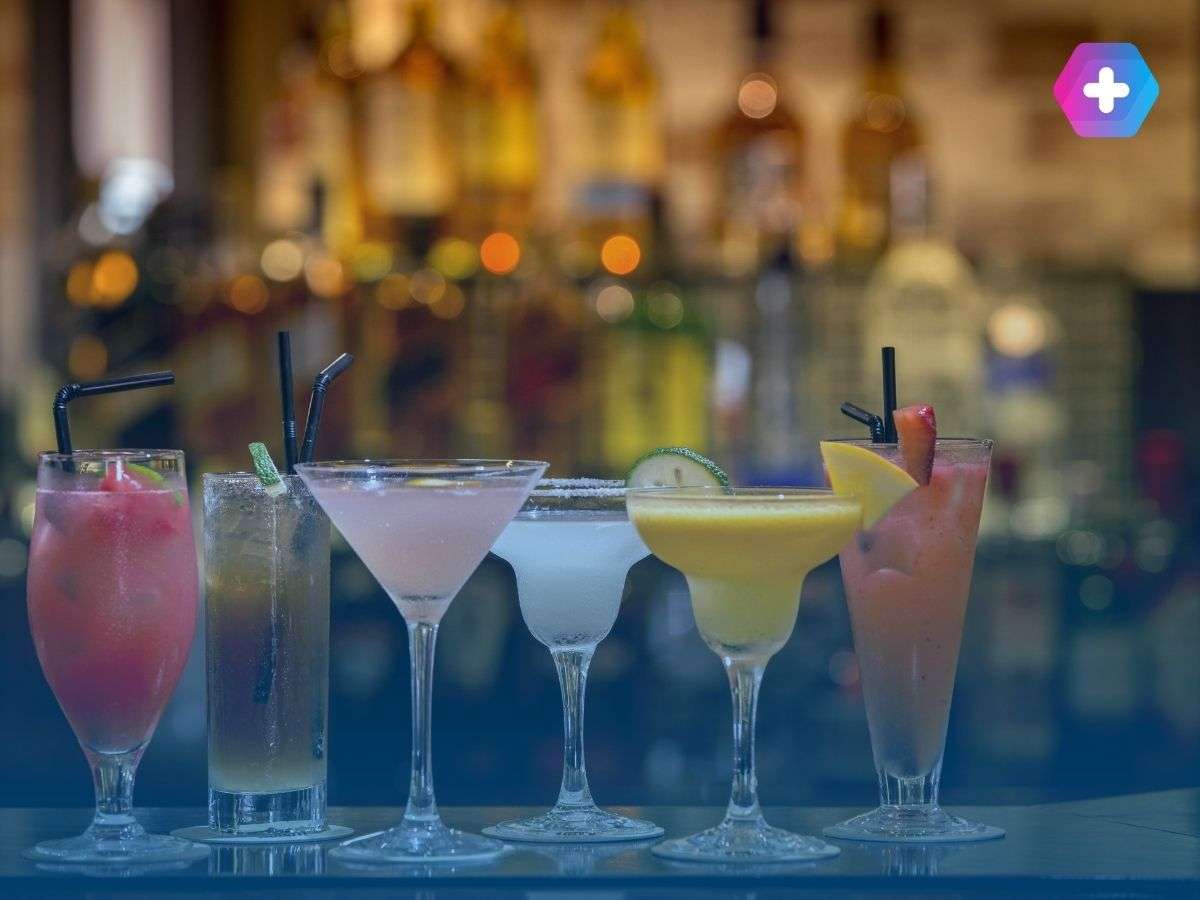
1) Nausea Or Feeling Sick More Easily
Nausea is one of the most common Mounjaro side effects, particularly when increasing your dose. Alcohol can make nausea more likely, especially if you drink on an empty stomach or choose stronger drinks.
You may notice:
- Feeling queasy after just one drink
- Reduced appetite turning into stomach discomfort
- Feeling full very quickly
If you are already prone to nausea on Mounjaro, it may be best to avoid alcohol until your body has adjusted.
2) Heartburn And Reflux
Mounjaro can slow digestion, which may lead to bloating or reflux for some people. Alcohol can relax the valve between your stomach and oesophagus, making reflux more likely.
Common signs include:
- Burning sensation in the chest
- Bitter taste in the mouth
- Feeling like food is sitting in your stomach
If reflux is a problem for you, alcohol may make it noticeably worse.
3) Stronger Hangovers And Fatigue
Some patients find they get hangovers more easily on Mounjaro. This can happen because alcohol and Mounjaro can both affect hydration, appetite, and energy levels.
You might experience:
- Headaches the next morning
- Low mood or sluggishness
- Feeling dehydrated even after a small amount
- Trouble eating normally the next day
This matters because skipping meals or eating very little can increase nausea and make it harder to stick to a steady routine.
4) Blood Sugar Changes
Alcohol can affect blood sugar levels, and this is particularly important if you have type 2 diabetes or insulin resistance. While Mounjaro supports blood sugar regulation, alcohol can still cause unpredictable shifts.
Alcohol may:
- Lower blood sugar in some situations
- Increase cravings for sugary foods
- Make you feel shaky or light-headed
If you feel dizzy, weak, or unwell after drinking, stop drinking and seek medical advice, especially if you have diabetes or are taking other medications.
5) Slower Weight Loss Progress
Even if you do not feel unwell, alcohol can still affect results. This is because alcoholic drinks can add significant calories, reduce inhibition, and make high-calorie food choices more likely.
Alcohol can impact progress by:
- Adding extra calories without making you feel full
- Increasing snacking or takeaway choices
- Disrupting sleep, which affects hunger hormones
- Reducing energy for exercise and movement
If your goal is steady weight loss, reducing alcohol can make a noticeable difference.
How To Drink More Safely While On Mounjaro
If you choose to drink alcohol while using Mounjaro, these practical steps can help reduce the risk of side effects.
A safer approach includes:
- Start with a small amount and see how you feel
- Avoid drinking on an empty stomach
- Choose lower alcohol options where possible
- Sip slowly rather than drinking quickly
- Alternate alcoholic drinks with water
- Avoid very sugary mixers
- Plan a lighter meal afterwards, rather than greasy foods
- Avoid alcohol on the day you increase your dose
It is also worth considering timing. Some people find drinking is easier to tolerate when they are further away from injection day, but this varies from person to person.
If you are unsure what is safe for you, contact us for personalised advice.
When Should You Avoid Alcohol Completely?
There are times when it is best to avoid alcohol while taking Mounjaro.
You should consider avoiding alcohol if:
- You are experiencing strong nausea or vomiting
- You have ongoing reflux symptoms
- You are struggling to eat enough protein and nutrients
- You have a history of pancreatitis
- You have diabetes and are prone to low blood sugar
- You are on a higher dose and side effects are increasing
- Alcohol makes you feel unwell even in small amounts
If any of these apply, an online consultation with The Care Pharmacy can help you make a safe plan.

FAQs to Support Mounjaro Safety And Success
For many people, small amounts of alcohol may be tolerated, but it depends on your health, your dose, and your side effects. Alcohol can increase nausea, reflux, and dehydration, so caution is recommended.
Alcohol does not directly “cancel” Mounjaro, but it can slow progress by adding extra calories, increasing cravings, and disrupting routine. Reducing alcohol often supports better results.
Some people report feeling the effects of alcohol more quickly. This may be due to reduced food intake, changes in digestion, or drinking less often during treatment. Always drink cautiously and avoid binge drinking.
Lower calorie options often include spirits with sugar-free mixers or lighter wines, but tolerance varies. The best option is the one that does not trigger side effects and keeps you within your goals.
Stop drinking, sip water, and eat something bland if you can tolerate it. If symptoms are severe or persistent, seek medical advice. If you want help adjusting your routine, contact us.
Success usually comes from consistency. Helpful habits include:
- Taking your dose on schedule
- Eating enough protein and fibre
- Staying hydrated
- Keeping meals simple during dose changes
- Reducing alcohol and high-calorie drinks
- Getting regular movement, even short walks
- Checking in with support if side effects affect your routine
If you want a structured plan and ongoing guidance,
start an online consultation with The Care Pharmacy.
Combining Mounjaro And Alcohol In Real Life
Mounjaro and alcohol can mix for some people in moderation, but it is not always straightforward. Many patients find that alcohol feels stronger, side effects are worse, and weight loss progress can slow down if drinking becomes frequent.
If you want the best chance of success, the safest approach is to drink less, drink slowly, and pay close attention to how your body responds. If you would like support with your Mounjaro plan, contact us or start an online consultation with The Care Pharmacy today.
Start Your Consultation
This blog was written in collaboration with Pharmacy Mentor.
Medically reviewed by
Mohammed Lakhi
Superintendent Pharmacist