
Nevolat Price Comparison UK: Three and Five-Pen Costs
Nevolat price comparison: 3 pens from £124.99 at The Care Pharmacy. Compare 3- and 5-pen costs, delivery and inclusions. Start consultation.
Thinking about stopping Mounjaro (tirzepatide) can feel a bit unsettling. You’ve worked hard to lose weight, built new habits, and you don’t want everything to slip back the moment the injections stop. The good news is that coming off Mounjaro can be safe, steady and manageable when you understand what your body does next and how to support it. This guide walks you through what really happens, how to stay in control, and how to come off Mounjaro safely, protecting your progress with clear, practical steps you can trust.
Before deciding to stop treatment, it helps to remind yourself how Mounjaro (tirzepatide) supports your body. Knowing this makes it much easier to understand the changes you may feel once the injections stop.
Mounjaro is a weight-loss treatment that works by mimicking the natural hormones your gut already produces. These hormones help you feel fuller for longer, slow down digestion, and steady your blood sugar levels. When these signals remain active, managing portion sizes and cravings becomes much easier, which is why many people find the medication helpful in the early stages of their weight-loss journey.
It also fits into modern weight-loss medications because it supports both appetite and blood sugar simultaneously. This is why stopping suddenly can sometimes feel different, not unsafe, but noticeable.
People mostly come off Mounjaro for many different reasons. For some, it’s part of the plan. For others, life or health changes push the decision. Stepping away from the injections does not mean you’ve failed; it just means your needs have shifted.
But when to stop Mounjaro is right! Only if:
Many people stop GLP-1 weight loss treatment like Mounjaro and Wegovy earlier than planned because of cost, side effects, lifestyle changes or access issues. You’re not alone in this, and with a clear plan, you can still protect the progress you’ve made.
Coming off Mounjaro can feel different for everyone, but most people notice a few predictable changes. These effects are usually mild and expected.
As the medicine leaves your system, you may feel your hunger return more strongly.
This can look like:
This shift is expected as your body returns to controlling appetite without the extra support from the injection.
Weight can move in different directions once you stop:
A little weight gain at first doesn’t mean things are going wrong. What matters most is how you respond in the following weeks.
If you were using Mounjaro to support your blood sugar levels, you may notice:
They’re simply signals that your body is recalibrating, and with the right habits, you can guide that transition smoothly.
This is the part most people worry about: staying in control once the weekly support from the injection stops. The good news is that you don’t need strict diets or intense workouts to keep your progress. What works best is calm, steady routines that your body can stick to long-term.
Once you stop treatment, choosing food that naturally keeps you full becomes more important. Simple tweaks can make a big difference:
These foods work together to help you feel fuller for longer and avoid sudden hunger spikes.
You don’t need intense training plans or strict routines. Instead:
Baby steps, like regular aerobic exercise, support your long-term weight control better than any extreme plan, according to studies.
It’s very common to see your weight move up and down slightly in the first few weeks. This does not mean you’re losing progress.
A small gain can happen because:
The time to check in with your clinician is when the trend keeps climbing steadily over a few weeks. That’s a sign you may need extra support to maintain your weight during this part of your weight loss journey.
Worried About Regaining Weight After Mounjaro?
Speak to a pharmacist in the UK who can help you manage appetite changes, keep steady habits, and stay on track during your transition.
Stopping Mounjaro isn’t something you need to figure out on your own. In the UK, clinicians usually follow a calm, step-by-step approach that protects your progress, reduces unwanted side effects, and lowers the chance of sudden changes in appetite or blood sugar levels. The goal is simple: come off the medication safely, without losing the results you’ve worked hard for.
Before making any changes, have a quick check-in with your clinician or health coach. They’ll consider:
This helps avoid problems like strong hunger spikes, mood dips, or other stopping Mounjaro side effects that can feel unsettling if you’re not prepared.
There are two main ways to reduce or stop taking Mounjaro, and the right one depends on how stable your habits feel.
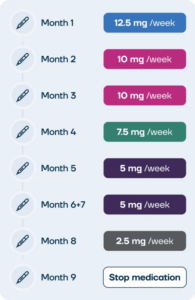
A practical way to step down is to lower your Mounjaro dose by around 2.5 mg every 4–8 weeks, adjusting the pace based on how you feel, your hunger levels, and how steady your weight stays. It’s gentle and gives your body more time to adjust. Many people prefer this because cravings tend to stay milder.
Some people can stop at their current dose with close monitoring. This works best if your appetite is stable, your routines are solid, and your clinician agrees it’s safe.
Coming off Mounjaro is usually straightforward, but following are some severe symptoms that mean you should get medical advice quickly:
These aren’t common, but it’s important to recognise when something needs attention. Getting support before discontinuing Mounjaro keeps you safe and prevents small issues from escalating.
Most people can stop Mounjaro without side effects, but some situations need a bit more caution. If any of the points below apply to you, it’s best to pause and speak with your clinician before making changes.
If you’re unsure or your health feels different than expected, it’s safer to get advice first. A quick conversation can prevent problems and keep your progress steady.
Regaining weight after stopping Mounjaro is common, especially in the first few weeks. It’s a signal to pause and review, not a sign you’ve ruined your progress.
At The Care Pharmacy, we’re here to help you use Mounjaro safely and wean off Mounjaro confidently when the time is right.
Our pharmacists will:
You get clear, honest advice and calm support at every stage, not just while you’re on injections.
Stay in Control When Coming Off Mounjaro
Get simple, personalised pharmacist guidance on when to stop taking Mounjaro and how to protect your weight loss safely.
The safest way is to plan it with your prescriber. Many people gradually reduce their dose over several weeks while keeping an eye on weight, hunger and mood.
There’s no strict medical rule to taper, but it’s not wise to stop alone. Speak to your clinician or nutrition professional so they can tailor a plan to you.
Mounjaro isn’t known to cause “withdrawal” in the usual sense. As the drug leaves your system, any side effects usually fade gradually over the following few weeks.
Most people don’t get classic withdrawal symptoms. Instead, they may notice appetite and cravings slowly returning as the medicine wears off, which is expected and can be managed with support.
Avoid stopping suddenly if you can. A planned step-down, regular check-ins, and strong lifestyle habits give you the best chance of keeping your progress once injections stop.

Medically reviewed by
Superintendent Pharmacist


Nevolat price comparison: 3 pens from £124.99 at The Care Pharmacy. Compare 3- and 5-pen costs, delivery and inclusions. Start consultation.
Weight Loss Guide, The Care Pharmacy Struggling With Weight in Menopause? Here’s When to Ask for Support If you’ve tried the usual advice and nothing seems to move the needle, that’s worth listening to. Here’s how to recognise the point where it makes sense to speak to a prescriber. Explore Weight Loss Treatment […]
Weight Loss Guide, The Care Pharmacy Foundayo Tablets: A Complete Guide to Cost, Dosing and What to Expect Everything you need to know about Foundayo (orforglipron), the once-daily weight management tablet, from eligibility and pricing through to how it is taken day to day. Start Your Assessment If you are weighing up whether Foundayo […]
The most common question we hear from patients is: Wegovy vs Mounjaro — which one should I choose? This honest, pharmacist-written guide covers clinical trial data, the new Wegovy 7.2mg dose, real-world UK pricing, side effects, NHS access, and how to decide which weight loss injection suits your goals. Updated: March 2026 · 16 min […]
Mounjaro Price Comparison UK Guide · Updated September 2026 The same pen. The same manufacturer. Up to £100/month difference in price depending on where you buy it. This is the most comprehensive Mounjaro price comparison UK guide available — every dose, every hidden cost, NHS vs private access, and how to buy safely from a […]
If you have spent any time reading online discussions about Mounjaro, you may have come across a phrase that sounds almost too good to be true: the Mounjaro golden dose. Some people describe it as an “extra” amount of medication hidden inside the pen, and others claim it is a bonus dose that can be […]