A new clinical analysis suggests that orforglipron, Eli Lilly’s first GLP-1 weight-loss pill, may become a strong alternative to weekly injections like Wegovy and Mounjaro. The findings come from the latest GLP-1 study 2025, where researchers reported meaningful reductions in body weight, improved blood sugar control, and benefits for adults living with type 2 diabetes and obesity.
The study showed that orforglipron led to significant weight changes in participants, especially at the highest dose. Many participants lost an average percentage of their body weight similar to early-stage GLP-1 injection trials, which is why experts believe it may emerge as a major rival to injectable GLP-1 receptor agonists.
This early evidence positions the pill as a promising oral GLP-1 medication at a time when more people want non-injection options for long-term weight management.
What Is Orforglipron? A Simple Explanation
Orforglipron is Eli Lilly’s new once-daily oral GLP-1 medication designed to support weight loss and help regulate blood sugar.
It works in a similar way to injectable GLP-1 receptor agonists like Wegovy and Mounjaro, but in a pill form that does not require refrigeration or needles.
How Orforglipron Works
Orforglipron works by:
- Slowing how quickly food leaves the stomach
- Helping you feel full sooner
- Reducing appetite signals
- Supporting healthier blood sugar levels
Because of these effects, researchers consider it a meaningful step forward in the search for easier, needle-free treatments for obesity.
Why This GLP-1 Pill Matters
Many people want a GLP-1 weight-loss pill because:
- It avoids injections
- It may improve long-term treatment adherence
- It offers a daily routine instead of a weekly dose
- It could make weight-loss care more accessible
This is why orforglipron is being discussed as a major contender in the GLP-1 pill vs injection debate.
Early Evidence
In the latest GLP-1 study 2025, orforglipron showed early promise for adults with obesity and those living with type 2 diabetes, especially at the highest evaluated dose.
Latest GLP-1 Study 2025: Key Findings Everyone Is Talking About
The latest GLP-1 study 2025 (ATTAIN-1) shows that orforglipron led to meaningful weight loss, better metabolic control, and improvements in heart-related markers. The findings were shared through major medical platforms, including presentations linked to the European Association for the Study of obesity and publications aligned with journals such as the England Journal of Medicine.
What the Study Measured
Researchers evaluated orforglipron in adults with obesity and in people living with type 2 diabetes. The trial focused on:
- Percentage of body weight lost
- Changes in blood sugar levels
- Shifts in blood pressure
- Tolerability at different doses, including the highest dose
- Safety over a longer treatment period
This approach helped determine how the Eli Lilly weight-loss study compares to earlier GLP-1 research.
Quick look at the key results
According to clinical trial investigators, orforglipron:
- Led to significant weight reduction across all dosing groups
- Showed greater effects at the highest dose levels
- Helped lower blood sugar in people with diabetes
- Supported modest improvements in blood pressure
- Demonstrated mainly mild to moderate side effects
The trial results suggest that the once-daily pill performs competitively with early GLP-1 injection studies.
Why These Findings Matter
This is the first time a lilly oral GLP-1 pill has shown such impactful results, making it a potential rival to injectable medications like Mounjaro and Wegovy. It also signals growing demand for simpler treatments that fit everyday routines.
Get Expert Advice Now!
How Much Weight Did Participants Lose? (Average Weight Loss Breakdown)
The clinical trial results for GLP-1 weight-loss treatments show that orforglipron delivers meaningful reductions in body weight, especially at higher doses. Findings reported in the New England Journal of Medicine and through Eli Lilly’s international research programme confirm its potential as a strong oral alternative to injectable GLP-1 therapies.
Average Weight Loss in the Orforglipron phase 3 ATTAIN-1 Trial
Across the 72-week study period, participants:
- Lost up to 15% of their body weight at the highest dose
At 36 mg: 54.6% lost ≥10%, 36.0% lost ≥15%, 18.4% lost ≥20% body weight (all higher than placebo).
- Achieved dose-dependent weight reductions, with lower doses producing steady, moderate loss
- Experienced consistent weight improvements whether they had obesity alone or obesity with type 2 diabetes
This level of weight loss is similar to early GLP-1 injection trials but delivered through a once-daily pill.
How Orforglipron Performed in People With Type 2 Diabetes
Participants with diabetes saw two main benefits:
- Improved blood sugar control, including HbA1c reductions of up to –1.6%.
- Meaningful body-weight reductions, though slightly less than in non-diabetic participants a trend also seen with injectable GLP-1 receptor agonists
These results show why orforglipron is being closely monitored as a potential long-term oral GLP-1 medication for weight management and metabolic health.
Why These Numbers Matter
Weight-loss pills have historically shown smaller reductions than injections.
However, orforglipron:
- Provides double-digit weight loss
- Works without needles or refrigeration
- May improve long-term adherence compared with weekly injections
This places it among the most promising oral GLP-1 options currently in late-stage development.
GLP-1 Pill vs Injection: Which Works Better for Weight Loss?
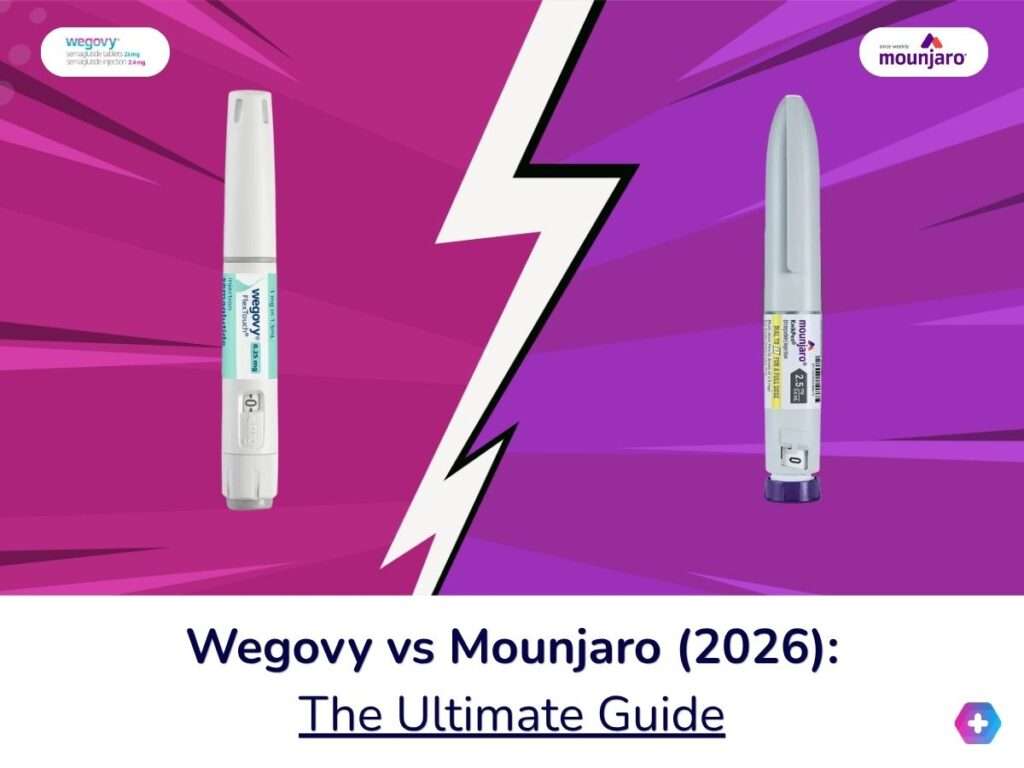
Many people compare GLP-1 weight-loss pills to weekly injections like Wegovy and Mounjaro to understand which option delivers stronger or more convenient results. The early evidence shows that both approaches are effective, but they offer different advantages depending on health needs, treatment goals, and personal preference.
How They Compare
GLP-1 pill vs injection key differences:
| Feature |
Oral GLP-1 Medication (Orforglipron) |
Injected GLP-1 (Wegovy) |
Dual GIP/GLP-1 Injection (Mounjaro) |
| Form |
Daily pill |
Weekly injection |
Weekly injection |
| Average weight loss (current evidence) |
Up to 15- 20% at highest dose |
15–20% in phase 3 trials (STEP programme) |
~15–22% in phase 3 trials (SURMOUNT programme) |
| Convenience |
No needles; easy to travel with |
Weekly dosing; no daily routine |
Injection required; weekly dosing |
| Blood sugar impact |
Strong HbA1c reduction (up to –1.6%) |
Strong HbA1c reduction (–1.6% to –1.9%) |
Very strong HbA1c reduction (often > –2.0%) |
| Side effects |
Mostly mild to moderate GI symptoms |
Similar GI profile |
Similar GI profile; nausea may be slightly higher at higher doses |
This comparison shows why orforglipron is being widely discussed as one of the most competitive oral GLP-1 medications to date.
Benefits of a GLP-1 Pill
A pill may work better for people who:
- Prefer not to use injections
- Want a simpler, needle-free routine
- Travel frequently
- Are uncomfortable with refrigerated medication storage
This is one reason the Eli Lilly weight-loss study attracted global interest.
Where Injected GLP-1 Therapies Still Lead
Weekly injections such as Wegovy and Mounjaro remain ahead in:
- Higher average long-term weight-loss percentages
- More established long-term safety data
- Real-world evidence across large patient populations
Because injections have been studied for over a decade, they currently hold the strongest clinical outcomes in obesity care.
So Which Works Better?
Based on today’s evidence:
- Injections produce the highest overall weight loss
- Oral options offer unmatched convenience with strong early results
- Both are effective for people with obesity or type 2 diabetes
For many patients, the choice is not just “which is stronger?” But it’s “which is easier to stay on long-term?”
Side Effects: What the Study Found
The clinical trial results for GLP-1 treatments show that orforglipron has a similar side-effect pattern to other GLP-1 receptor agonists: most issues are gastrointestinal and mild to moderate.
Most common side effects of orforglipron
In phase 2 and phase 3 trials, the most frequently reported side effects were:
- Nausea
- Diarrhoea
- Constipation
- Vomiting
- Indigestion/dyspepsia
These usually appeared during dose escalation and often settled as the body adjusted.
How often do these side effects happen?
In a large phase 3 obesity trial (ACHIEVE-1), orforglipron at daily doses of 3, 12 and 36 mg caused approximately:
- Diarrhoea: 19–26% of participants (vs 9% on placebo)
- Nausea: 13–18% (vs 2% on placebo)
- Constipation: 8–17% (vs 4% on placebo)
- Vomiting: 5–14% (vs 1% on placebo)
Across multiple studies, 6–17% of people stopped treatment because of side effects, mostly gut-related symptoms.
Serious events (like severe pancreatitis or major liver issues) have been rare and similar to placebo so far, but long-term safety is still being monitored in ongoing phase 3 programmes.
How It Helps Adults With Obesity
In clinical studies, orforglipron produced dose-dependent reductions in body weight, with the highest doses delivering the strongest effects. Many participants lost double-digit percentages of weight, which is significant for an oral treatment.
These reductions were observed across different BMI ranges, making the pill a potential option for a broad set of adults with obesity.
Benefits for People With Type 2 Diabetes
People with type 2 diabetes saw two noticeable improvements:
- Lower blood sugar levels, including meaningful HbA1c reductions
- Steady weight loss, though typically a little less than non-diabetic participants a pattern also seen with injected GLP-1 receptor agonists
The blood sugar improvements reflect how GLP-1 receptor agonists support insulin activity and slow digestion, which may help stabilise glucose throughout the day.
Who May Prefer an Oral Option?
Orforglipron may be particularly suitable for individuals who:
- Prefer daily pills over injections
- Travel frequently or want a treatment without refrigeration
- Struggle with needle confidence
- Want a simpler routine for long-term use
The convenience factor is one of the strongest reasons healthcare professionals are watching the Eli Lilly weight-loss study closely.
Who Might Need Extra Consideration?
As with other GLP-1 medicines, people with:
- A history of severe gastrointestinal disease
- Pancreatitis
- Significant kidney or liver issues
should only use GLP-1 treatments under close clinical monitoring.
Support from The Care Pharmacy (UK)
Managing weight-loss treatment can feel overwhelming, especially as new medicines like orforglipron move closer to approval. At The Care Pharmacy, our UK pharmacists provide clear guidance, safe treatment pathways, and personalised support for people considering GLP-1 options.
We help patients understand:
- How these medicines work
- Whether a GLP-1 pill or injection may suit their health
- What to expect during treatment
- How to manage side effects safely
- Which long-term approach fits their lifestyle
Our goal is simple: to offer practical, evidence-based care so you feel confident in every step of your weight-management journey.
Book Your Consultation Today!
FAQs
When will orforglipron be available?
If phase 3 results remain positive, regulatory submissions may begin in 2026, meaning orforglipron could become available in late 2026 or 2027, depending on MHRA and NICE approval timelines.
Is a GLP-1 weight-loss pill the same as Ozempic?
No. Ozempic is a weekly GLP-1 injection (semaglutide), not a pill.
A GLP-1 weight-loss pill delivers a similar type of medication but in tablet form. These pills work on the same GLP-1 pathway but use different active ingredients.
What is the new Eli Lilly weight-loss pill?
The new Eli Lilly pill is orforglipron, an oral GLP-1 medication designed to support weight loss and improve blood sugar. It is taken once daily and is being studied as a needle-free alternative to injectable GLP-1 treatments.
Can I get orforglipron now?
Not yet. Orforglipron is still in phase 3 clinical trials and is not approved for prescription in the UK or anywhere globally. It may become available after regulatory reviews are completed.
Is orforglipron safe?
Early evidence suggests it is generally well-tolerated, with most side effects being mild to moderate gastrointestinal symptoms (such as nausea, diarrhoea, or constipation).
Long-term safety is still being assessed in ongoing trials.
How much weight can I lose with orforglipron?
In clinical trials, participants taking the highest dose of orforglipron lost up to 15% of their body weight by week 72.
Medically reviewed by
Mohammed Lakhi
Superintendent Pharmacist