Travel Vaccinations for Pakistan: A Bradford Pre-Travel Checklist
Planning travel vaccinations for Pakistan? Prepare your records, itinerary and certificate questions for an in-clinic assessment in Low Moor, Bradford.
India travel vaccines depend on where you are going, your activities, previous vaccinations and health. A city break, rural family visit and mountain trek can raise different questions. Leeds residents can book The Care Pharmacy’s in-clinic travel service in Low Moor, Bradford. Arrange advice ideally four to six weeks before departure and bring every part of your itinerary, not just the name of your arrival airport.
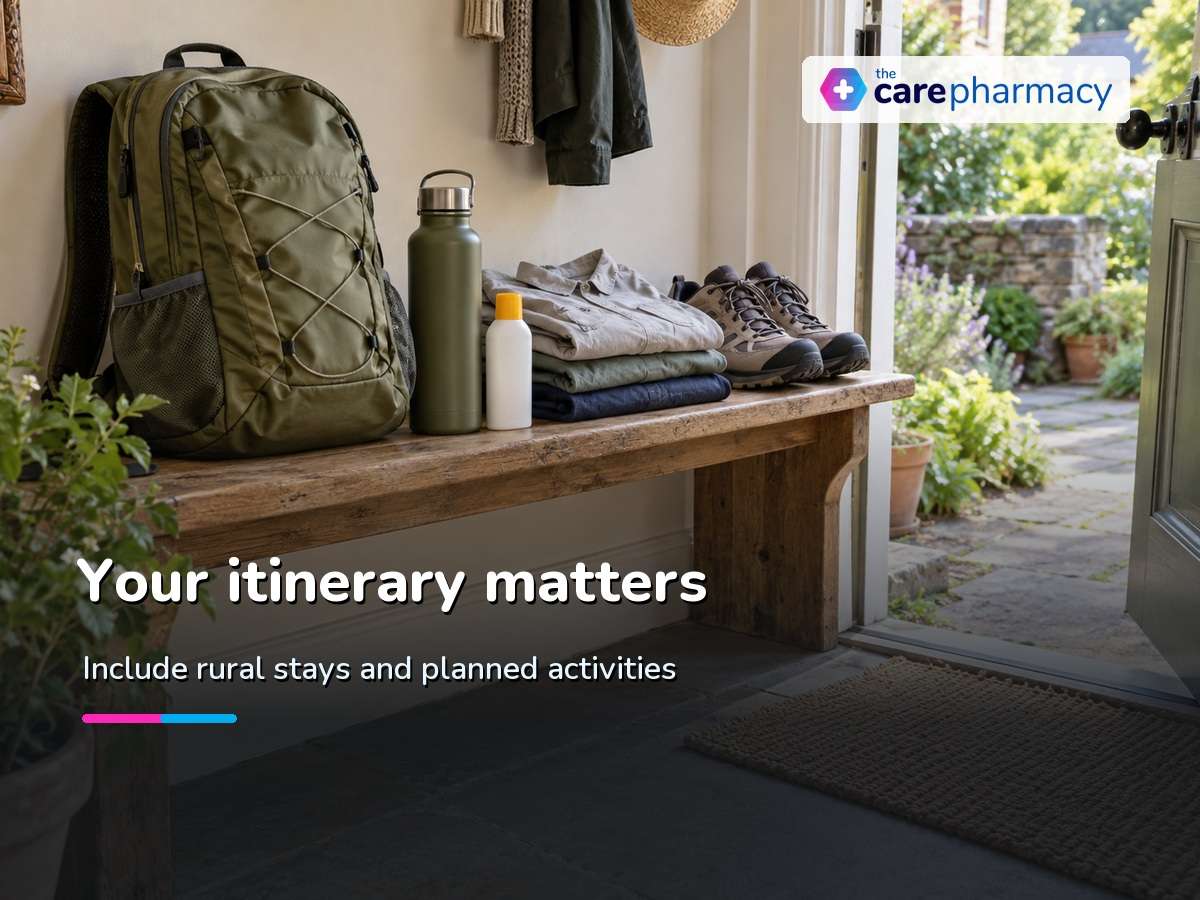
“Two weeks in India” does not tell a travel health professional how you will spend those weeks. You might be staying in one city, joining relatives in several places or adding a walking trip. Write down the towns, states, overnight stops and dates you currently know.
If some plans are flexible, explain that too. An uncertain itinerary is useful information, not a reason to leave the question blank. Ask what advice would change if you add a rural stay or extend the journey, so you know when to get back in touch.
| Trip element | Question to discuss | Useful detail |
|---|---|---|
| City visits | Are routine and travel vaccinations up to date? | Dates, accommodation and previous records |
| Rural overnight stays | Do activities or access to care change the advice? | Locations, duration and outdoor plans |
| Mountain travel | How will you manage altitude and medical access? | Route, overnight heights and pace of ascent |
India travel health advice includes checking routine UK vaccination and assessing hepatitis A, tetanus and typhoid protection. Additional vaccines depend on your circumstances. A clinician should explain why each recommendation applies to your itinerary rather than give everyone the same package.
Bring the dates and names of earlier vaccines. If you were vaccinated overseas, the original record can help the team identify what you received. Do not assume that a vaccine from a previous holiday needs repeating, or that an old course covers every risk on this trip.
The NHS travel vaccination advice recommends a consultation ideally four to six weeks before travel. Some courses require more than one visit. Tell the clinic if you have already booked flights so it can discuss realistic timing, suitability and any follow-up appointments.
Ask which recommendations are routine, which are related to your activities and which involve paperwork. This makes it easier to understand your plan and compare the costs of the treatment actually advised for you.
Describe how much time you expect to spend outdoors and whether you will sleep in rural accommodation. Japanese encephalitis vaccination may be considered for some rural or longer itineraries. A short trip does not automatically settle the question; the activities and places matter too.
Tell the clinician if you plan animal-related work, extended travel or activities far from medical care. Discuss rabies protection and what to do after a possible exposure. Avoid touching unfamiliar animals, even when they look healthy or friendly.
If an animal bites or scratches you, wash the wound with soap and water and seek urgent local medical advice. The NHS rabies information explains that pre-travel vaccination does not remove the need for treatment after a possible exposure. Do not wait until you arrive back in Leeds.
For children, plan how you will explain animal avoidance and make it easy for them to report a scratch or bite. Each family member needs an individual vaccination assessment; adults’ advice cannot simply be copied onto a child’s booking.
India travel vaccines are only part of your protection plan. Malaria recommendations differ across the country. Current guidance recommends prevention tablets for certain areas, including Mizoram, Odisha and Tripura, while other areas generally need risk awareness and bite prevention, with exceptions for higher-risk travellers.
This is why the clinic needs the names of your destinations, not just “India”. Tell the clinician about side trips and your medical history. It should not be assumed that every traveller needs tablets, or that a friend who visited a different area had the right plan for you.
Mosquito bite prevention includes suitable repellent, clothing and accommodation precautions. Ask about protection during both daytime and evening activities. Tablets, where advised, do not replace those measures.
If prevention medicine is recommended, follow the instructions for your own prescription and check start and finish dates. Seek urgent medical advice if you develop symptoms such as fever during or after travel, and explain your itinerary. The NHS malaria guidance advises getting help even if you took prevention tablets.
If your India itinerary includes higher-altitude destinations or trekking, raise this at the appointment. The pace of ascent, where you sleep and access to medical care can matter independently of vaccination. A trip with several overnight heights needs more detail than the label “a day in the mountains”.
Altitude illness guidance explains why gradual ascent and responding to symptoms matter. Vaccines do not prevent altitude illness. Discuss your plans with a clinician, especially if you have a health condition or intend to travel somewhere remote.
Ask your travel organiser about the route and contingency arrangements before the consultation. You can then bring concrete information about transport, overnight stops and how help would be reached if someone became unwell.
Vaccination does not make every meal or drink safe. Discuss food and water precautions, including safe drinking water, handwashing and choosing freshly cooked food. Ask what to carry if diarrhoea develops and when symptoms need medical attention.
Make a practical plan for regular medicines and healthcare access. The FCDO India health advice helps you check current health risks and arrangements before departure. Ensure travel insurance covers your relevant conditions and planned activities, particularly any trekking or other organised activity.
If you are pregnant, breastfeeding, taking medicines that weaken your immune system or managing a long-term condition, mention this when arranging advice. It can affect vaccination choices and how early you should prepare. Bring medicine names rather than describing tablets by colour, and include previous serious reactions to vaccines or their ingredients.
If your usual specialist has given you travel advice, bring it with you. The travel clinician may need more information before recommending treatment. Explain any difficulty attending follow-up visits, too: a course that needs several appointments must fit your timetable. Do not stop or alter regular medicines to make a vaccine appointment easier. Ask the clinician who manages them for advice, and discuss any changes to your travel plans before deciding what to do.
The Care Pharmacy’s travel vaccination appointments are at 214 Huddersfield Road, Low Moor, Bradford, BD12 0AD. There is no Leeds branch. Check your appointment confirmation and plan the journey to this address before setting off.
Bring:
Use the travel clinic booking service for current options and prices. Confirm arrangements if you need appointments for several relatives or help communicating with the team. A listed vaccine does not guarantee stock or an appointment on your preferred date.
Some travel vaccinations may be available through the NHS. Ask your GP about its provision before assuming that every dose needs private payment. The clinic should explain the options relevant to your assessment without promising treatment in advance.
Not necessarily. Previous vaccination, duration, activities and health can change the advice. Bring both parts of a mixed itinerary for one individual assessment.
No. Recommendations depend on region and individual risk. The clinician should check your destinations and health before deciding whether tablets are appropriate.
Yes, you can book its in-clinic travel service and travel to Low Moor, Bradford. Check the address and appointment details; this is not a Leeds clinic or an online vaccination appointment.
Bring your itinerary and vaccination history to The Care Pharmacy’s Low Moor clinic. The team can assess which protection and practical precautions fit your trip.
Mohammed Ismail Lakhi MPharm
Superintendent Pharmacist at The Care Pharmacy
GPhC Registration Number: 2072815
The Care Pharmacy is led by Superintendent Pharmacist Mohammed Ismail Lakhi MPharm. Its healthcare team assesses individual suitability before providing treatment. Your clinician can explain how general guidance applies to your health, medicines and travel plans.

Medically reviewed by
Superintendent Pharmacist


Planning travel vaccinations for Pakistan? Prepare your records, itinerary and certificate questions for an in-clinic assessment in Low Moor, Bradford.
Planning Umrah vaccinations? Check your previous MenACWY record, certificate details and arrival date before a travel appointment in Low Moor, Bradford.
Last-minute malaria tablets: check your itinerary, start dates and supply plan. Request a travel assessment with The Care Pharmacy.
Doxycycline vs Malarone: compare malaria prevention courses and daily use, and get advice for your trip with The Care Pharmacy.
Travelling is one of life’s most enriching experiences. It allows you to explore new cultures, cuisines, and landscapes. However, ensuring that excitement doesn’t eclipse the importance of health and safety is crucial. One of the key measures for safeguarding health while travelling is getting the appropriate vaccinations. This article serves as a thorough guide to […]