Voy Mounjaro: Compare the Programme, Price and Support
Considering Voy Mounjaro? Understand plan terms, app support and costs, then explore a weight loss consultation with The Care Pharmacy.
One of the most common questions patients ask after starting Mounjaro is whether they can still drink alcohol — and the answer is more nuanced than a simple yes or no. There is no absolute clinical contraindication between Mounjaro (tirzepatide) and alcohol, meaning that moderate, occasional alcohol consumption is not considered incompatible with treatment for most patients — provided there are no additional risk factors such as a personal or family history of pancreatitis or medullary thyroid carcinoma. However, several important interactions and physiological changes — including significantly reduced alcohol tolerance, a heightened risk of hypoglycaemia in patients with type 2 diabetes, and the impact of alcohol on the weight loss process itself — make this a question worth understanding properly rather than dismissing. How much you drink, when you drink, and how your body responds to alcohol while using Mounjaro can all change meaningfully once treatment begins, and patients who go into this unprepared are often caught off guard. At The Care Pharmacy, our prescribing team supports patients throughout their Mounjaro journey — and giving you the information you need to make good decisions is part of that support.
Before we explore the detail, get in touch with our team if you have questions about Mounjaro or your treatment, or complete our online consultation to find out whether Mounjaro or another weight loss treatment is right for you.
Quick Answer
There is no absolute contraindication between Mounjaro and alcohol, meaning occasional, moderate drinking is not considered clinically incompatible with treatment. However, Mounjaro significantly slows gastric emptying — the rate at which the stomach empties its contents — which means alcohol is absorbed more slowly and then, when it does absorb, can produce more intense effects than expected, dramatically lowering alcohol tolerance in many patients. For patients using Mounjaro for weight management alongside a caloric deficit, alcohol also adds empty calories, disrupts sleep quality, increases appetite, and undermines the metabolic conditions that make the medication most effective. Patients with type 2 diabetes using Mounjaro should exercise particular caution, as alcohol combined with Mounjaro’s glucose-regulating effects carries a meaningful risk of hypoglycaemia. The practical guidance is to drink in moderation if at all, eat before drinking, stay well hydrated, and be prepared for your body to respond differently to alcohol than it did before starting treatment.
Yes — but with important caveats that are worth understanding clearly before you pour the first drink.
Mounjaro is not listed as incompatible with alcohol in its UK Summary of Product Characteristics (SmPC), meaning there is no absolute prohibition on alcohol use during treatment. Unlike some medications — such as metronidazole, where alcohol use causes a severe and predictable reaction — Mounjaro does not produce a direct pharmacological interaction with alcohol in the same way.
What it does do is change how your body processes alcohol in ways that are clinically and practically significant. The most important of these is its effect on gastric emptying. Mounjaro slows the rate at which the stomach empties its contents into the small intestine, which is one of the mechanisms through which it reduces appetite and helps regulate blood sugar. This slowing applies to everything in the stomach — including alcohol.
The result is that alcohol takes longer to enter the bloodstream, which might initially sound like a good thing. The problem is that when it does absorb — often more rapidly than expected once gastric emptying resumes — the effect can be more pronounced than the patient was anticipating, based on their pre-treatment experience of alcohol. Many patients on Mounjaro report feeling significantly more affected by one or two drinks than they would have been before starting treatment, being caught off guard by a faster or more intense intoxication than expected.
There is also a broader consideration: Mounjaro is a weight loss medication. Alcohol is calorie-dense, appetite-stimulating, and disruptive to the metabolic and behavioural conditions that make weight loss possible. Even if the pharmacological interaction is manageable, alcohol works against the goals of treatment in multiple ways that are worth taking seriously.
This is one of the most reported and least anticipated experiences among Mounjaro users — and understanding why it happens makes it much easier to manage.
Slowed gastric emptying
As explained above, Mounjaro delays gastric emptying. When you drink alcohol, it sits in the stomach for longer before passing into the small intestine, where most alcohol absorption occurs. This creates an unpredictable absorption pattern — the alcohol arrives in the bloodstream later, sometimes in a more concentrated wave, producing a stronger effect than anticipated.
Reduced food intake
Mounjaro significantly suppresses appetite and reduces the quantity of food most patients eat at each meal. Alcohol consumed with less food in the stomach — or after a smaller meal than the patient is used to — is absorbed more rapidly and produces stronger effects. The protective buffering effect of food on alcohol absorption is reduced when meals are smaller and less frequent.
Changes in body composition
As patients lose weight on Mounjaro, their body composition changes — reduced body fat and changes in total body water affect alcohol distribution. A lighter body weight means that the same quantity of alcohol produces a higher blood alcohol concentration than it would at a higher body weight.
Increased sensitivity
Some patients also report a general heightening of sensory responses during Mounjaro treatment — greater sensitivity to taste, smell, and physical sensations — which may contribute to a more pronounced response to alcohol beyond the purely pharmacokinetic explanation.
Understanding the specific risks helps patients make genuinely informed choices rather than vague resolutions to “be careful.”

For many patients, the more practically relevant question is not whether alcohol is pharmacologically dangerous with Mounjaro, but whether it will undermine the weight loss they are working hard to achieve. The answer is: yes, it can — and for several overlapping reasons.
Caloric content
Alcohol is calorie-dense — approximately seven calories per gram, compared to four calories per gram for carbohydrates and protein. These are calories with no satiety value, no nutritional benefit, and no contribution to the protein intake that is particularly important for preserving lean muscle mass during weight loss. A few drinks can easily add several hundred calories to a day’s intake without producing any feeling of fullness.
Appetite effects
One of Mounjaro’s most clinically valued effects is appetite suppression. Alcohol is well documented to stimulate appetite — particularly for high-calorie, high-fat foods — and can temporarily override the appetite suppression that Mounjaro provides. Many patients report that alcohol is one of the few things that reliably makes them want to eat more than their reduced appetite would normally allow.
Metabolic effects
When alcohol is present in the body, the liver prioritises its metabolism over fat burning. This temporarily pauses the fat oxidation that drives weight loss, meaning that not only are the calories from alcohol being processed, but fat burning is also suspended for the duration of that metabolism. This effect is more significant with larger amounts of alcohol and is one of the reasons that frequent or heavy drinking is particularly counterproductive during active weight loss treatment.
Sleep and cortisol
Alcohol disrupts sleep quality — reducing slow-wave and REM sleep even when it initially feels sedating. Poor sleep quality is associated with elevated cortisol, increased hunger, reduced insulin sensitivity, and impaired weight loss. For patients whose treatment plan depends on optimising every lifestyle variable alongside medication, alcohol-disrupted sleep is a meaningful and modifiable obstacle.
If alcohol has been a significant part of your social life and you are finding it difficult to moderate intake while on Mounjaro, get in touch with our team — this is a genuinely important part of treatment planning and worth discussing openly.
There is no universally agreed clinical threshold for “safe” alcohol consumption on Mounjaro, because individual responses vary considerably depending on dose, duration of treatment, body weight, food intake, and individual sensitivity. However, the following general principles reflect the current clinical consensus:
If you are considering which weight loss medication best fits your lifestyle — including how it interacts with alcohol — a comparison of the most commonly used options is useful.
It is worth noting that Wegovy is now available in both its established once-weekly injectable form and a new oral tablet — the first GLP-1 medication in pill form to receive MHRA approval in the UK. For patients who prefer not to self-inject, the Wegovy pill offers the same active ingredient (semaglutide) via a different delivery route. The alcohol considerations are broadly the same across both formulations. Complete our online consultation to find out which weight loss treatment best fits your lifestyle and clinical needs.
If you choose to drink during your Mounjaro treatment, these strategies will help you do so more safely and with less impact on your progress:
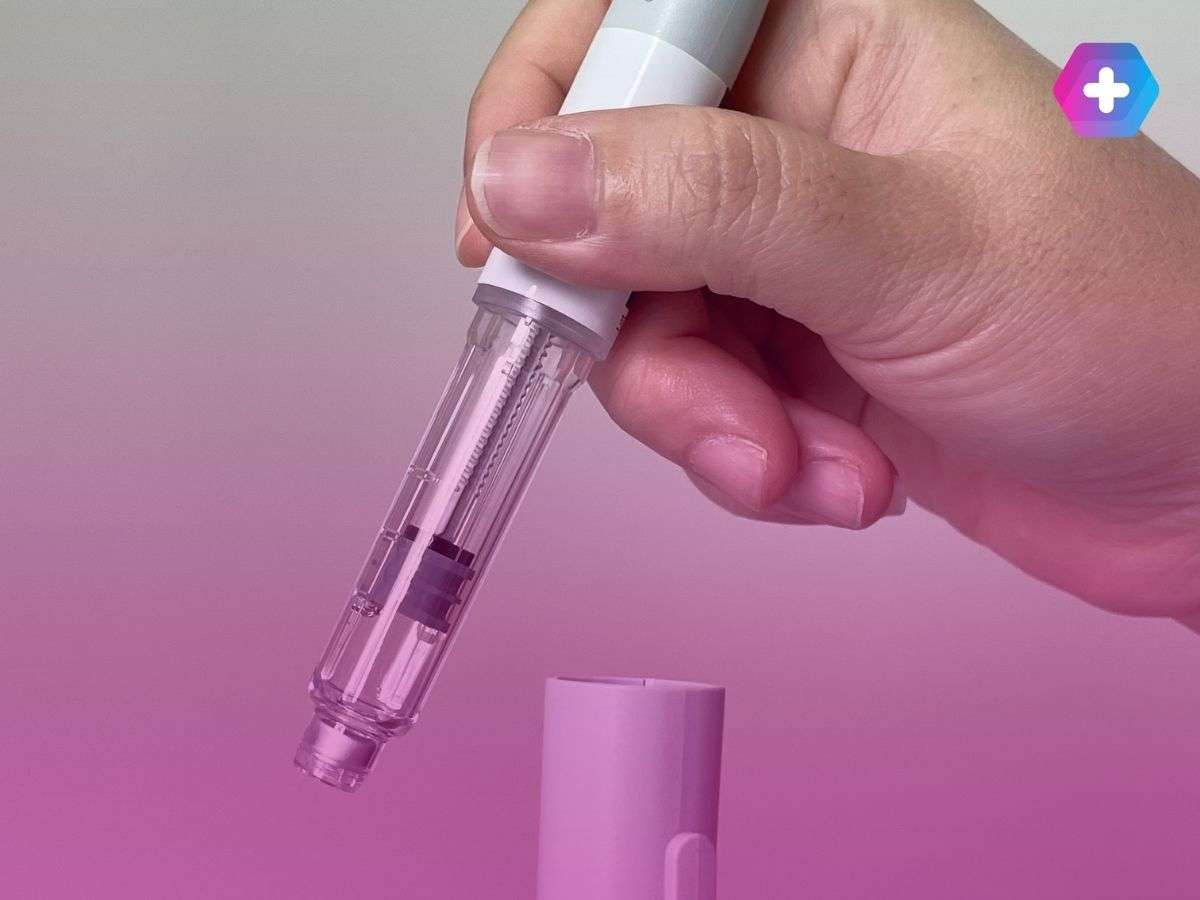
From reduced tolerance to injection timing, here are the questions our prescribing team hears most often from patients who want to know how alcohol fits into their Mounjaro journey.
There is no absolute clinical contraindication between Mounjaro and alcohol, meaning occasional moderate drinking is not considered clinically incompatible with treatment — provided there are no additional contraindications such as a personal or family history of pancreatitis or medullary thyroid carcinoma, and always discuss your full medical history with your prescriber. However, Mounjaro significantly reduces alcohol tolerance in many patients through its effects on gastric emptying and appetite, and alcohol works against the weight loss goals of treatment in multiple ways — so careful moderation is strongly advisable.
Mounjaro slows gastric emptying, which changes the pattern of alcohol absorption — often producing a more intense or more delayed peak effect than patients are accustomed to. Combined with the smaller meal sizes and weight loss that accompany treatment, alcohol tolerance is often significantly reduced, meaning the same amount of alcohol produces a stronger effect than it did before starting Mounjaro.
Alcohol does not directly block or reduce the pharmacological action of Mounjaro, but it can significantly undermine the weight loss outcomes of treatment through its caloric content, appetite-stimulating effects, disruption to sleep quality, and temporary suppression of fat metabolism. Regular or heavy alcohol consumption during Mounjaro treatment is one of the most commonly identified reasons for slower-than-expected weight loss.
Patients using Mounjaro for type 2 diabetes should exercise particular caution around alcohol, as the combination of Mounjaro’s glucose-lowering effects and alcohol’s suppression of hepatic glucose production can cause hypoglycaemia that is more severe and harder to recognise. Always discuss alcohol use with your prescriber if you are using Mounjaro for diabetes management, and ensure you and those around you know how to recognise and respond to low blood sugar.
Stay hydrated with water, rest, and contact your prescribing team for guidance if vomiting is severe or prolonged — do not skip your Mounjaro injection without speaking to your prescriber first, as Mounjaro is a subcutaneous injection and is not affected by vomiting in the way an oral medication would be. If you experience severe abdominal pain, particularly in the upper abdomen radiating to the back, seek medical attention promptly as this could indicate pancreatitis, which requires urgent assessment.
Mounjaro is a once-weekly injection and its effects — including slowed gastric emptying and appetite suppression — are present throughout the week rather than peaking immediately after injection, meaning there is no specific “safe window” for drinking relative to your injection day. The practical guidance remains the same regardless of where you are in your weekly cycle: eat beforehand, start with less than usual, and stay hydrated.
The question of whether you can drink on Mounjaro is one that deserves an honest, nuanced answer rather than a blanket prohibition or a casual dismissal. The clinical reality is that occasional, moderate alcohol consumption is manageable for most patients — but Mounjaro changes your relationship with alcohol in ways that are worth understanding clearly, preparing for practically, and monitoring carefully as your treatment progresses.
The patients who get the best results from Mounjaro are not necessarily those who give up alcohol entirely. They are those who understand how their body is changing, make genuinely informed choices about when and how much they drink, and keep the focus firmly on the health goals that led them to start treatment in the first place. That mindset — of informed moderation rather than either rigid abstinence or uninformed excess — is what produces both the best outcomes and the most sustainable experience of treatment.
At The Care Pharmacy, our pharmacist-led prescribing team is here to support you throughout your Mounjaro journey — including the parts that do not always make it into the patient information leaflet. Whether you are just starting treatment, reconsidering your lifestyle habits, or thinking about whether Mounjaro or an alternative such as Wegovy might be right for you, our team is here to help.
Reach out to our team today, or complete our online consultation to explore which weight loss treatment is right for you.
This article was written by Pharmacy Mentor and clinically reviewed by Mohammed Ismail Lakhi, MPharm, MRPharm, Superintendent Pharmacist at The Care Pharmacy. Mohammed is registered with the General Pharmaceutical Council (GPhC registration number 2072815) and leads clinical governance across The Care Pharmacy’s weight management services.
Last reviewed: July 2026
Disclaimer: This article is for general information only and is not a substitute for individual medical advice. Always consult a qualified prescriber before starting any prescription weight loss treatment.

Medically reviewed by
Superintendent Pharmacist


Considering Voy Mounjaro? Understand plan terms, app support and costs, then explore a weight loss consultation with The Care Pharmacy.
Compare Numan Mounjaro plans, coaching and ongoing costs. Know what to ask before exploring treatment with The Care Pharmacy.
Compare Asda Mounjaro collection, delivery and treatment support. Find out what to check and explore your options with The Care Pharmacy.
Considering Boots Mounjaro? Compare collection, delivery and ongoing care, then explore a weight loss consultation with The Care Pharmacy.
Compare MedExpress Mounjaro ordering, delivery and support. Explore your options with The Care Pharmacy before starting a consultation.
Compare private Mounjaro providers safely, including Simple Online Pharmacy, Care Pharmacy, prescribing checks, cost factors and switching support.