Orlistat Price Comparison UK: 120mg Capsule Costs
Compare orlistat prices for 84 generic 120mg capsules in the UK. Check pack costs, delivery and the full payable total.
Starting a new weight loss medication comes with questions, and if you have recently been prescribed Orlistat 120mg, understanding what to expect in the early weeks can make a significant difference to your experience. Most side effects are manageable with the right approach — and knowing how to combat them before they arise puts you in a much stronger position.
Our prescribing team supports patients across the UK with weight-loss medication and ongoing clinical guidance. If you have concerns about your treatment, get in touch with us, or complete our online consultation to find out what is available to you.
Quick Answer
Orlistat 120mg works by blocking the absorption of dietary fat. Its side effects are almost entirely gastrointestinal and are directly linked to fat intake. The higher the fat content of your meals, the more pronounced the side effects. Most patients find that symptoms reduce significantly once they adopt a lower-fat diet, and many experience few or no side effects at all within the first few weeks.
Orlistat inhibits pancreatic lipase, an enzyme responsible for breaking down dietary fat in the gut. Approximately one third of the fat you consume at each meal passes through the digestive system unabsorbed and is excreted, depending on the fat content of that meal. This mechanism is what produces weight loss, but it is also the direct cause of Orlistat’s most common side effects.
This is important to understand because it means side effects are largely within your control. Orlistat does not cause nausea, headaches, or systemic symptoms in the way that GLP-1 medications sometimes do. Its effects are localised to the gut and are almost always a direct response to dietary fat intake.


Most Orlistat side effects are uncomfortable rather than dangerous, but certain symptoms warrant prompt review:
These are rare but important. Do not wait for a scheduled appointment if you experience any of the above. Contact your prescriber or call 111.
For most patients, gastrointestinal side effects reduce significantly within the first two to four weeks once a lower-fat diet is established. If symptoms persist beyond this point at the same intensity, a dietary review with your prescriber is recommended.
Orlistat can affect the absorption of certain medications, including ciclosporin, levothyroxine, anticoagulants such as warfarin, and antiepileptic drugs. Always disclose your full medication list at consultation. Your prescriber or pharmacist will advise on timing adjustments where necessary.
Orlistat will still block a proportion of dietary fat regardless of diet, but results will be modest and side effects will be considerably worse. The medication is designed to complement a calorie-controlled, reduced-fat diet, not replace one.
Orlistat 120mg is a well-established, effective weight loss treatment when used correctly. The side effects are real but predictable — and in most cases, entirely avoidable with straightforward dietary adjustments. Patients who take the time to understand how the medication works, reduce their fat intake consistently, and take a daily fat-soluble vitamin supplement tend to tolerate Orlistat well and achieve meaningful results.
Our clinical team is here to support you throughout treatment. Contact us with any questions, or complete our online consultation to explore your weight-loss treatment options today.
This article was written by Pharmacy Mentor and clinically reviewed by Mohammed Ismail Lakhi, MPharm, MRPharm, Superintendent Pharmacist at The Care Pharmacy. Mohammed is registered with the General Pharmaceutical Council (GPhC registration number 2072815) and leads clinical governance across The Care Pharmacy’s weight management services.
Last reviewed: May 2026
Disclaimer: This article is for general information only and is not a substitute for individual medical advice. Always consult a qualified prescriber before starting any prescription weight loss treatment.

Medically reviewed by
Superintendent Pharmacist


Compare orlistat prices for 84 generic 120mg capsules in the UK. Check pack costs, delivery and the full payable total.
Wegovy price comparison · October 2026 edition · Check current prices before ordering Wegovy price comparison UK: every dose, seven providers, October 2026 Wegovy prices vary by dose and pack. This October 2026 comparison records advertised prices from 0.25mg to 7.2mg across seven UK online providers, including The Care Pharmacy. Some providers listed lower prices […]
Practical meal ideas when weight-loss medicine reduces your appetite, with advice on balanced eating, hydration and when to contact your prescriber.
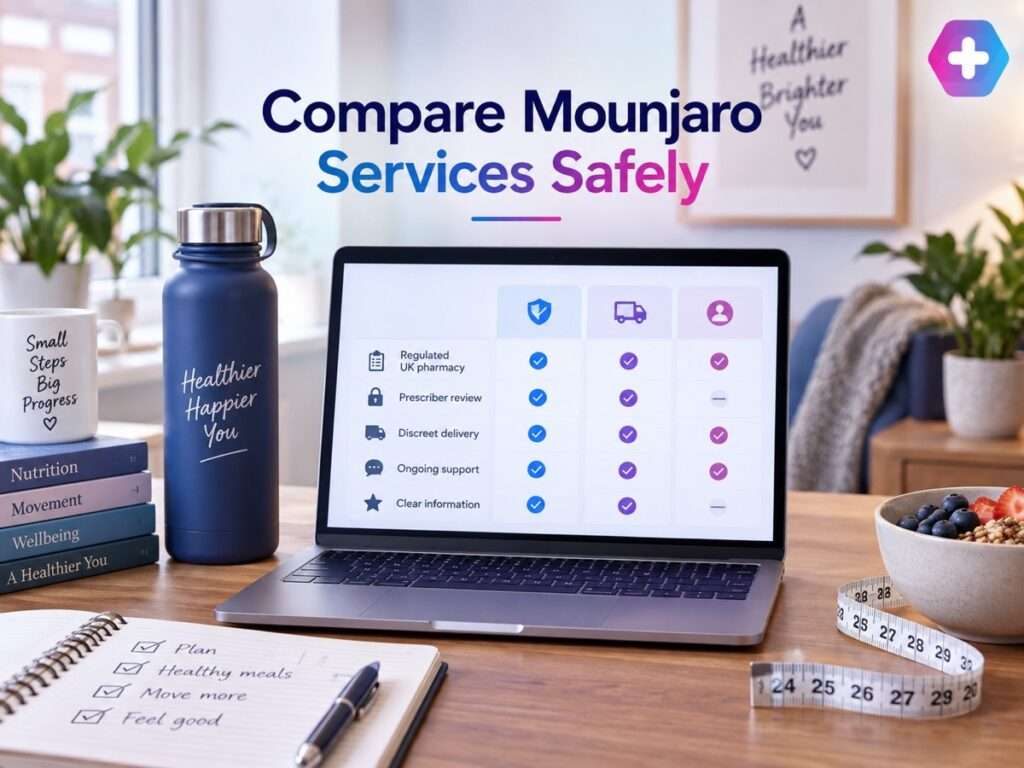
Compare private Mounjaro providers safely, including Simple Online Pharmacy, Care Pharmacy, prescribing checks, cost factors and switching support.
Compare private Mounjaro providers safely, including The Family Chemist, Care Pharmacy, pricing checks, prescribing standards and switching support.
Weight Loss Guide, The Care Pharmacy Foundayo Myths vs Facts: What UK Patients Should Actually Know Foundayo (orforglipron) has just been authorised by the MHRA. Here is what is genuinely established, what is being misread online, and what to expect as the tablet reaches UK prescribers. Explore Weight Loss Treatment at The Care Pharmacy […]