Finasteride vs Propecia: What’s the Difference, and Is the Brand Worth More?
Finasteride vs Propecia: compare ingredients, cost and safety, then discuss your hair loss treatment options with The Care Pharmacy.
If you are noticing a receding hairline, thinning at the crown, or more shedding than usual, it is natural to start looking for solutions that genuinely work. One of the most common questions we hear through our online consultations is: does finasteride work, and can it actually stop hair loss or help bring hair back?
At The Care Pharmacy, we support men who want clear, evidence-based guidance and clinically appropriate treatment options. In this article, we will explain what finasteride is, how it works, what results you can realistically expect, and how to decide whether it is right for you.
If you would like personalised advice, you can contact us or complete our confidential consultation form at any time.
Finasteride is a prescription-only medicine used to treat male pattern baldness, also known as androgenetic alopecia. It is typically taken as a daily tablet and works by reducing levels of a hormone linked to hair thinning.
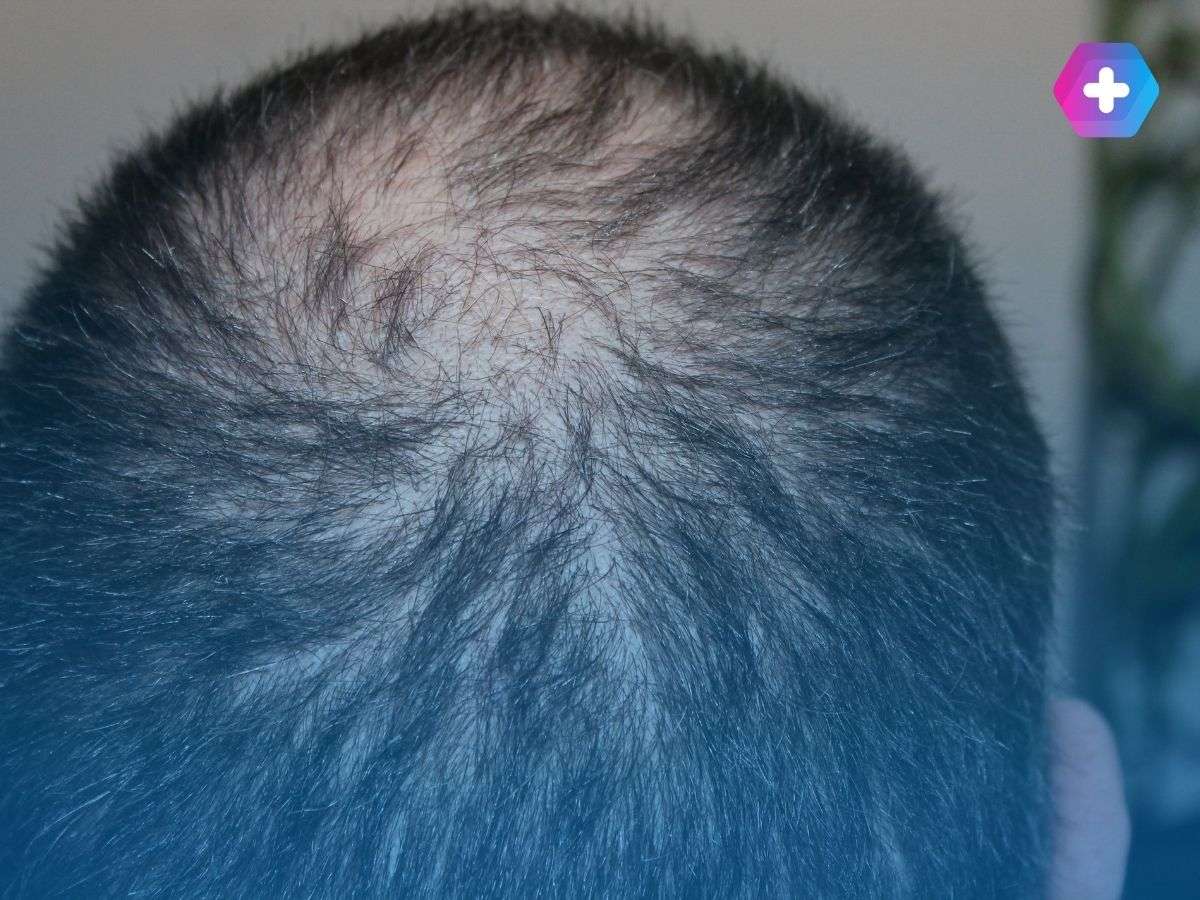
Male pattern hair loss usually follows a recognisable pattern, such as:
Finasteride is not designed for sudden hair loss, patchy hair loss, or hair shedding caused by illness, nutritional deficiencies, or stress-related conditions. This is why a proper clinical assessment is important before starting.
To check whether finasteride is suitable for you, contact us or use our online consultation form for a quick, discreet review.
Yes, for many men, finasteride is effective at slowing down hair loss, and in some cases, supporting regrowth.
When people ask, does finasteride work, they often mean one of two things:
Clinically, finasteride is best known for helping to stabilise hair loss and protect existing hair. Regrowth is possible, but results vary depending on how early treatment starts and how advanced hair loss is.
To understand why finasteride can be effective, it helps to know what drives male pattern baldness.
A hormone called DHT (dihydrotestosterone) plays a key role in androgenetic alopecia. In men who are genetically predisposed, DHT causes hair follicles to gradually shrink over time. This process leads to:
Finasteride works by inhibiting an enzyme called 5-alpha reductase (type II), which converts testosterone into DHT. By reducing DHT levels, finasteride helps slow the follicle miniaturisation process and gives hair a better chance to remain in its normal growth cycle.
Finasteride has been studied extensively for male pattern baldness, or male androgenetic alopecia. Many trials show that it can increase hair count and improve the appearance of hair density over time, particularly in the crown area.
If you are still wondering, if finasteride will work for your specific hair loss pattern, we can help you understand what is most likely based on your history and goals.
Reach out to us or complete our consultation form to get started.
Finasteride is not a quick fix, and it requires consistency. Most men need several months before noticing meaningful changes.
A realistic timeline looks like this:
If you want support choosing a plan and setting realistic expectations, contact us today or use our consultation form for tailored advice.

This depends on the individual, but here is what clinicians commonly see:
If your hair loss has been progressing for many years, finasteride may still help slow it down, but regrowth may be limited. That does not mean it is not worth considering, especially if preserving what you have is a priority.
Here are a few practical questions that often come up during consultations:
Yes, daily use is recommended for best results.
In many cases, yes. Combination approaches are common, but suitability should be checked.
Hair loss usually returns gradually, often within months.
No. Finasteride is generally prescribed for adult men and requires clinical screening.
So, does finasteride work?
For many men, the evidence and clinical experience suggest it can be a highly effective option for slowing male pattern hair loss and supporting thicker-looking hair over time. The key is starting early, taking it consistently, and giving it enough time to work.
If you are ready to explore your options, contact us today or complete our online consultation form. Book now and take the next step towards protecting your hair with clinically backed treatment.
This blog was written in collaboration with Pharmacy Mentor.

Medically reviewed by
Superintendent Pharmacist


Finasteride vs Propecia: compare ingredients, cost and safety, then discuss your hair loss treatment options with The Care Pharmacy.
Understand finasteride mood and sexual side effects, the latest UK safety advice, when to stop 1mg treatment and how to speak to your prescriber.
Learn how to approach finasteride treatment online in the UK, including private prescription rules, suitability checks, side effects and Care Pharmacy’s hair loss route.
Learn what a safe online TRT clinic UK assessment should include, from symptoms and blood tests to fertility, monitoring and Care Pharmacy TRT options.
A receding hairline is one of the most commonly noticed and least openly discussed changes a person can experience — and for many men, it begins earlier and progresses more rapidly than they expected. The good news is that understanding what causes a receding hairline, identifying it early, and accessing the right treatment promptly gives […]
Everything you need to know about TRT, explained clearly, accessibly, and tailored to how you want to manage your health today: online, on your terms. Testosterone is one of the most important hormones in the male body, and when levels begin to fall, the effects can be wide-ranging and deeply disruptive to everyday life. Yet […]