Lymecycline for Acne: What It Is, How It Works, and What to Expect

Lymecycline is an oral tetracycline antibiotic prescribed for moderate-to-severe acne that has not responded adequately to topical treatments alone, and it is one of the most commonly issued acne prescriptions in the UK. It works by inhibiting the growth of Cutibacterium acnes — the bacteria responsible for inflammatory acne — and by reducing the skin inflammation that causes the painful, persistent spots characteristic of moderate and severe presentations. Unlike topical treatments that work on the skin surface, lymecycline acts systemically, making it particularly effective for widespread acne, deep cystic spots, and breakouts on the back and chest that are difficult to treat topically. It is a prescription-only medicine in the UK, meaning a clinical assessment is required before it can be dispensed — which is available quickly and confidentially through our online pharmacy service. Our prescribing team works with acne patients across the UK every day, providing access to lymecycline and other clinically appropriate treatments through a quick and confidential online consultation.

Whether you have a question or are ready to get started, we are here.  Get in touch with our team, or complete our online consultation to find out whether lymecycline is the right treatment for your acne.

Start Your Consultation


Quick Answer

Lymecycline is a broad-spectrum tetracycline antibiotic prescribed for moderate-to-severe inflammatory acne, typically taken as a once-daily 408mg capsule for a minimum of twelve weeks. It works by inhibiting bacterial protein synthesis in C. acnes, reducing bacterial load on the skin and lowering the inflammatory response that produces painful, persistent spots. Results begin to become visible within four to eight weeks, with more significant improvement typically seen at the twelve-week mark and beyond. Lymecycline is almost always prescribed alongside a topical treatment — such as a retinoid or benzoyl peroxide — to maximise effectiveness and reduce the risk of antibiotic resistance developing over time. It is a prescription-only medicine in the UK and requires a clinical assessment before it can be dispensed.

How Does Lymecycline Work?

Lymecycline is a semi-synthetic tetracycline antibiotic developed as an improved formulation of tetracycline itself. With several decades of use in UK clinical practice behind it, lymecycline remains one of the most widely prescribed oral acne treatments available, valued for its once-daily dosing, good tolerability, and a clinical evidence base that is both extensive and well established.


The Mechanism of Action

Lymecycline works through two complementary mechanisms that together address the core drivers of inflammatory acne:

  • Antibacterial activity: Lymecycline inhibits bacterial protein synthesis by binding to the 30S ribosomal subunit of C. acnes, preventing the bacteria from producing the proteins they need to survive and replicate. This reduces the bacterial load within follicles, removing a key driver of the inflammatory cascade that produces spots.
  • Anti-inflammatory activity: Independently of its antibacterial effect, lymecycline has direct anti-inflammatory properties. It inhibits matrix metalloproteinases (MMPs) and reduces the production of pro-inflammatory cytokines — contributing to a reduction in the redness, swelling, and pain associated with inflammatory acne lesions even as bacterial counts are falling.


It is this dual action that explains why lymecycline often produces greater clinical improvement than its antibacterial effect alone would suggest, and why it continues to deliver results for some patients even when bacterial sensitivity begins to reduce over time.


Why Once Daily?

Lymecycline’s pharmacokinetic profile allows for effective once-daily dosing — a significant practical advantage over older tetracyclines such as oxytetracycline, which requires twice-daily dosing, ideally taken on an empty stomach. Lymecycline can be taken with or without food, making it considerably easier to incorporate into a daily routine and improving the consistency of patient adherence over longer treatment courses.


What Type of Acne Does Lymecycline Treat?

Lymecycline is most clinically effective for inflammatory acne — the type characterised by red, raised papules, pustules, and deeper nodules or cysts. It is not the appropriate first-line choice for purely comedonal acne (blackheads and whiteheads without significant inflammation), where topical retinoids are generally more effective.

The presentations for which lymecycline is most commonly prescribed include:

  • Moderate-to-severe facial acne that has not responded adequately to topical treatments such as benzoyl peroxide, topical antibiotics, or topical retinoids used consistently over eight to twelve weeks
  • Truncal acne — acne affecting the back, chest, and shoulders — where the surface area involved makes topical treatment impractical as a sole approach
  • Deep, cystic, or nodular acne where lesions sit below the skin surface and are unlikely to be reached by topical products alone
  • Adult hormonal acne with a significant inflammatory component — particularly jawline and chin acne in adults — often prescribed alongside a topical retinoid for maximum benefit
  • Widespread acne involving multiple facial zones simultaneously, where a systemic approach is more practical than targeting individual areas topically


Lymecycline is not appropriate as a long-term standalone treatment. Current UK clinical guidance recommends prescribing it alongside a topical treatment — preferably a retinoid or benzoyl peroxide — and reviewing the need for continued antibiotic use at twelve weeks, with a maximum course length of six months in most cases.

Our prescribing team assesses every patient individually before issuing a prescription. Complete our online consultation today and we will confirm whether lymecycline is appropriate for your acne.


How to Take Lymecycline Correctly

Taking lymecycline correctly is important both for maximising its clinical effectiveness and for avoiding the side effects that are most commonly associated with incorrect use.

Standard dosing:

  • The standard UK dose for acne is one 408mg capsule taken once daily
  • Lymecycline can be taken with or without food — unlike older tetracyclines, absorption is not significantly impaired by food intake
  • Swallow the capsule whole with a full glass of water
  • Avoid lying down immediately after taking lymecycline to reduce the risk of oesophageal irritation
  • Take at the same time each day to maintain consistent blood levels — many patients find morning dosing easiest to remember
  • If you miss a dose, take it as soon as you remember — unless it is almost time for your next dose, in which case skip the missed dose and continue as normal. Do not double dose.


Important interactions to be aware of:

  • Dairy products and calcium-rich foods: Lymecycline can be taken with food to reduce GI side effects, but should ideally not be taken at the same time as dairy products or calcium-rich foods, as these can reduce absorption. Allow at least one to two hours between lymecycline and dairy-heavy meals where possible.
  • Antacids and iron supplements: Products containing aluminium, magnesium, calcium, or iron can significantly reduce lymecycline absorption if taken at the same time. Allow at least two hours between lymecycline and any antacid or iron supplement.
  • Oral contraceptives: The evidence that tetracycline antibiotics reduce the effectiveness of combined oral contraceptives is not well supported by current data, and UK guidance no longer recommends routine additional contraceptive precautions for patients on lymecycline. However, patients should discuss their specific circumstances with their prescriber.
  • Isotretinoin: Lymecycline must not be taken alongside isotretinoin (Roaccutane) due to the risk of raised intracranial pressure (benign intracranial hypertension).
  • Warfarin: Tetracyclines may enhance the anticoagulant effect of warfarin. Patients on warfarin should have their INR monitored more closely when starting or stopping lymecycline.


How Long Does Lymecycline Take to Work?

One of the most important things to understand about lymecycline — and one of the most common reasons patients abandon treatment prematurely — is that it takes time to produce visible results. Patients who understand the expected timeline are far more likely to complete their course and achieve the clinical improvement that consistent treatment can deliver.

  • Weeks 1–4: The antibacterial effect begins immediately, but visible improvement is unlikely to be significant at this stage. Some patients notice a very slight reduction in new spot formation towards the end of the first month, but many see little change. This is entirely normal.
  • Weeks 4–8: Most patients begin to notice a meaningful reduction in the frequency and severity of new breakouts during this period. Existing spots continue to resolve and the overall inflammatory load on the skin begins to reduce visibly.
  • Weeks 8–12: This is typically when the most significant visible improvement becomes apparent — a substantial reduction in active spots, less redness, and fewer new lesions forming. This is the point at which a clinical review is usually scheduled to assess response.
  • Beyond 12 weeks: For patients with a good clinical response, lymecycline may be continued for up to six months. After stopping, the improvement achieved during treatment is typically maintained with a good topical maintenance routine — though this requires clinical planning rather than abrupt cessation.


If you are not seeing any improvement after twelve weeks of consistent daily use, a clinical review is warranted. Get in touch with our team to discuss your progress and next steps.
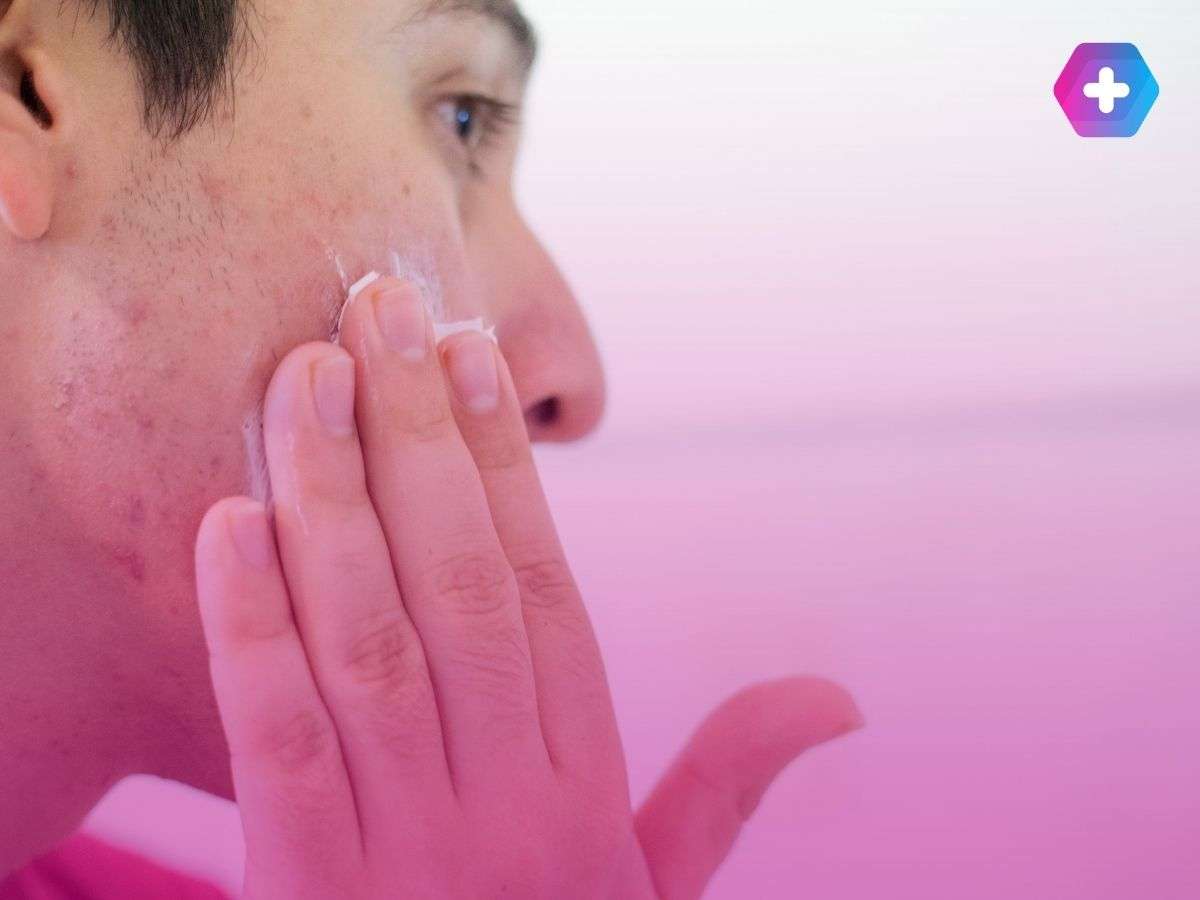
person applying cream to acne on their face

Lymecycline vs Other Acne Antibiotics

Lymecycline is one of several oral antibiotics used for acne in the UK. The table below compares it with the most commonly prescribed alternatives:

Feature Lymecycline Doxycycline Erythromycin
Antibiotic class Tetracycline Tetracycline Macrolide
Dosing frequency Once daily Once daily Twice daily
Take with food Yes — food does not significantly affect absorption Recommended — reduces GI side effects Yes — reduces GI side effects
Photosensitivity risk Low to moderate Moderate to high — SPF essential Low
GI tolerability Good Moderate — nausea more common Poor — GI side effects common
Resistance concern Moderate — combine with topical BP Moderate — combine with topical BP Higher — significant resistance rates in UK
UK first-line preference Yes — widely used as first-line oral acne antibiotic Yes — used as alternative first-line Second-line — due to higher resistance rates

Within the tetracycline class, lymecycline and doxycycline are considered broadly equivalent in terms of clinical efficacy and are both recommended as first-line oral acne antibiotics in current UK guidelines. The choice between them often comes down to individual patient factors — tolerability, photosensitivity concerns, and ease of dosing — which a prescriber can help navigate.


Lymecycline Side Effects and Safety Considerations

Lymecycline is generally well tolerated, particularly compared to older tetracyclines such as oxytetracycline and erythromycin. However, as with all antibiotics, side effects are possible and patients should be aware of what to look out for.

Common side effects:

  • Gastrointestinal symptoms: Nausea, stomach discomfort, and diarrhoea are the most commonly reported side effects, though these are generally milder with lymecycline than with doxycycline or erythromycin. Taking lymecycline with food reduces the likelihood of GI upset.
  • Photosensitivity: Lymecycline increases the skin’s sensitivity to UV light, raising the risk of sunburn and potentially worsening post-inflammatory hyperpigmentation (dark marks left by acne). Daily broad-spectrum SPF use is strongly recommended throughout the treatment course.
  • Oesophageal irritation: Taking lymecycline without sufficient water or lying down immediately after taking it can cause irritation or ulceration of the oesophagus. Always take with a full glass of water and remain upright afterwards.


Less common but clinically important side effects:

  • Vaginal thrush (candidiasis): Antibiotics can disrupt the normal vaginal flora, leading to candida overgrowth. Patients who experience this can use an OTC antifungal treatment such as clotrimazole, and should inform their prescriber if it is recurrent.
  • Benign intracranial hypertension (BIH): A rare but serious side effect associated with tetracyclines. Stop taking lymecycline immediately and go to A&E if you develop a persistent severe headache, visual disturbances, or ringing in the ears — these may be signs of benign intracranial hypertension, which requires urgent medical assessment. Lymecycline must not be combined with isotretinoin, which independently carries a risk of BIH.
  • Skin or oral thrush: Disruption of normal bacterial flora by any antibiotic can allow candida overgrowth in other areas, including the mouth.
  • Antibiotic-associated diarrhoea: In rare cases, antibiotic use can lead to Clostridioides difficile infection, causing severe diarrhoea. Seek medical attention if diarrhoea is severe, bloody, or accompanied by fever.


Who Can and Cannot Take Lymecycline?

Lymecycline is appropriate for most adults and young people over the age of twelve with moderate-to-severe inflammatory acne. However, there are specific contraindications and circumstances requiring additional caution.

Lymecycline should not be taken by:

  • Pregnant women — tetracyclines can affect fetal bone and tooth development and are contraindicated throughout pregnancy
  • Breastfeeding women — lymecycline passes into breast milk and is contraindicated during breastfeeding
  • Children under twelve years of age — tetracyclines can permanently stain developing teeth and affect bone growth in younger children
  • Patients with known hypersensitivity to tetracyclines or any component of the capsule
  • Patients currently taking isotretinoin — due to the combined risk of benign intracranial hypertension


Use with additional caution in:

  • Patients with renal or hepatic impairment — dose adjustment or alternative treatment may be required
  • Patients with myasthenia gravis — tetracyclines can exacerbate muscle weakness
  • Patients with a history of oesophageal conditions — the risk of oesophageal irritation is higher in these patients
  • Patients taking warfarin — INR should be monitored more closely when starting or stopping lymecycline


Our prescribing team reviews every consultation individually to confirm suitability before any prescription is issued. Complete our online consultation to get started.


Ten Practical Tips for Getting the Most from Lymecycline

Getting the best results from lymecycline requires more than simply taking the capsule each morning. Here are ten evidence-informed strategies to maximise your outcomes and minimise side effects:
  1. Always use lymecycline alongside a topical treatment. Lymecycline is significantly more effective when combined with a topical benzoyl peroxide or retinoid product. The topical treatment addresses comedone formation and further reduces bacterial load, while the combination with benzoyl peroxide specifically reduces the risk of antibiotic resistance developing over time.
  2. Take it at the same time every day. Consistent daily dosing maintains stable blood levels of the antibiotic, ensuring continuous suppression of C. acnes. Irregular dosing — missing days and doubling up — reduces efficacy and increases the risk of resistance.
  3. Always wear SPF during treatment. Lymecycline increases photosensitivity, meaning your skin will burn more easily and post-inflammatory dark marks from acne will darken further with sun exposure. A non-comedogenic, broad-spectrum SPF 30 or higher applied every morning is non-negotiable during your treatment course.
  4. Take with a full glass of water and stay upright. This is one of the most important practical instructions for lymecycline. Taking it without sufficient water or lying down immediately afterwards is the most common cause of oesophageal side effects — irritation that is entirely preventable with correct use.
  5. Be patient and stay consistent for the full twelve weeks. Most patients who abandon lymecycline do so in the first four to six weeks, before the treatment has had time to produce visible results. Committing to a full twelve-week course with daily consistent dosing is essential for achieving the clinical benefit this treatment can deliver.
  6. Do not stop without a plan. Stopping lymecycline abruptly without a topical maintenance plan in place is one of the most common reasons acne rebounds after a successful course. Discuss a step-down strategy with your prescriber before you finish your prescription — a retinoid-based topical routine continued after stopping lymecycline significantly reduces relapse rates.
  7. Keep a simple acne diary. Noting the location, type, and frequency of new spots each week gives you an objective record of progress that is far more reliable than day-to-day perception. It also gives your prescriber valuable information at your twelve-week review to inform decisions about continuing, adjusting, or stepping down treatment.
  8. Address your diet and lifestyle alongside treatment. Lymecycline tackles the bacterial and inflammatory drivers of acne systemically, but high-glycaemic diets, chronic stress, and poor sleep all independently worsen acne. Modest dietary improvements and stress management alongside treatment consistently produce better outcomes than medication alone.
  9. Take a probiotic if GI symptoms are a concern. While the evidence for probiotics in preventing antibiotic-associated GI symptoms is not definitive, many patients find them helpful for managing mild nausea and digestive disruption during antibiotic courses. Discuss with your prescriber if you have a history of significant GI sensitivity to antibiotics.
  10. Seek a clinical review if you are not seeing improvement. If you have been taking lymecycline consistently for twelve weeks without meaningful improvement in your acne, this is an important signal that either your treatment needs adjustment or that a different approach — such as a combination product or a referral for isotretinoin — may be warranted. Our team is here to help. Get in touch to discuss your progress.

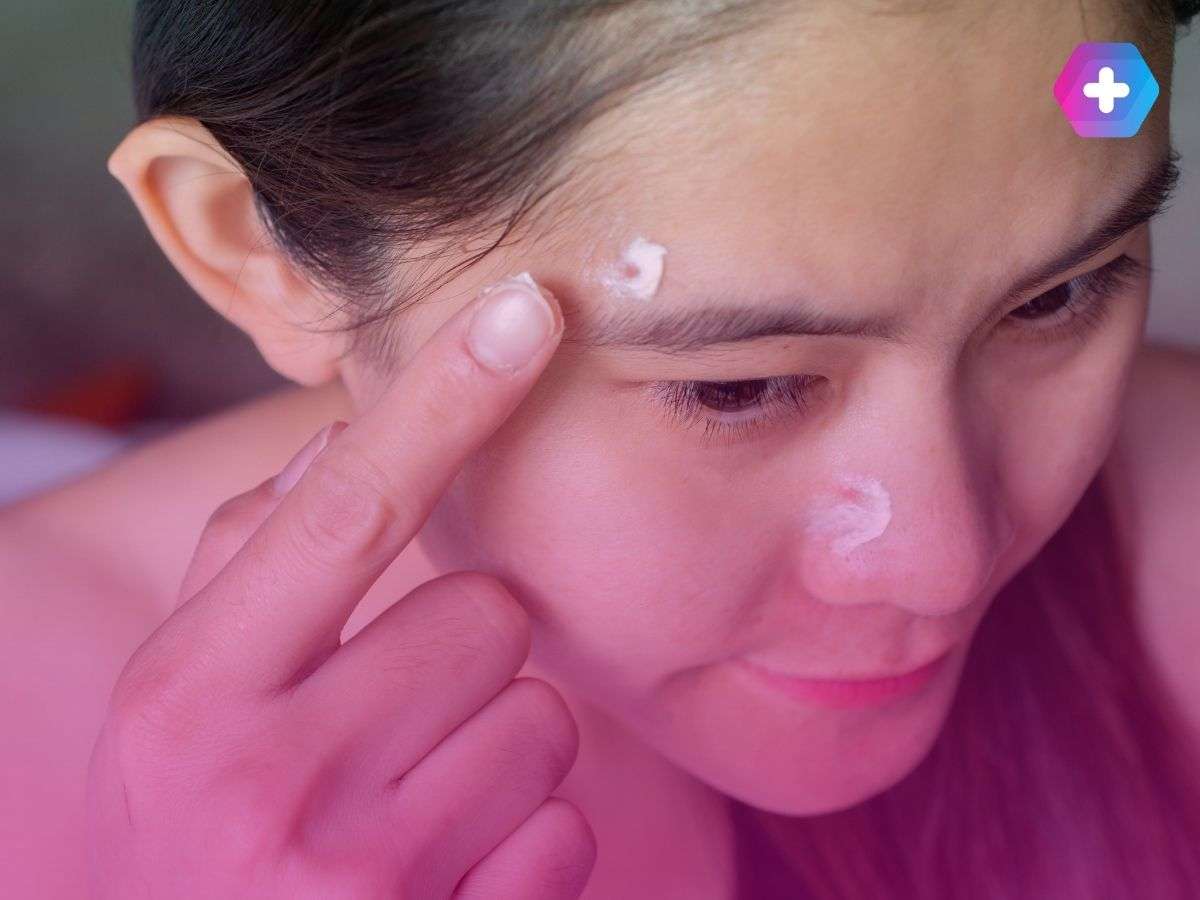
young woman applying cream to acne spots on her face

Frequently Asked Questions

From dosing to side effects, here are the questions our prescribing team hears most often from patients starting or considering lymecycline:

Can I drink alcohol while taking lymecycline?

Moderate alcohol consumption is not considered to significantly interact with lymecycline in the way it does with some other antibiotics such as metronidazole, and there is no strict clinical prohibition. However, alcohol can worsen dehydration, increase the risk of GI side effects, and impair the quality of sleep and stress management — all of which can indirectly worsen acne — so reducing alcohol intake during treatment is sensible practice.

Will lymecycline affect my contraceptive pill?

Current UK guidance does not recommend routine additional contraceptive precautions for patients taking lymecycline alongside a combined oral contraceptive, as the evidence that tetracycline antibiotics meaningfully reduce contraceptive efficacy is not well supported. However, if you experience vomiting or diarrhoea while taking lymecycline, follow your contraceptive pill’s guidance on what to do if a pill may not have been absorbed effectively — and if you are taking the progestogen-only pill or have any concerns, discuss your specific circumstances with your prescriber or GP.

Can I take lymecycline long-term?

Current UK clinical guidance recommends a maximum course length of six months for lymecycline, after which the need for continued antibiotic use should be formally reviewed and, where possible, treatment stepped down to a topical maintenance regimen. Long-term use beyond six months without clinical review is not recommended, both due to the risk of antibiotic resistance and because prolonged systemic antibiotic use carries cumulative risks to the gut microbiome and immune function.

What happens when I stop taking lymecycline?

Some degree of acne recurrence after stopping lymecycline is common, particularly if no topical maintenance treatment is continued afterwards. The most effective strategy for preventing relapse is to transition to a topical retinoid — such as adapalene — as a maintenance treatment when lymecycline is stopped, which your prescriber can help you plan in advance of finishing your course.

Can lymecycline be used for acne on the back and chest?

Yes — this is one of the key advantages of an oral antibiotic over topical treatments. Lymecycline works systemically, meaning it addresses acne across all affected areas of the body simultaneously, making it particularly practical for patients with truncal acne (back and chest) where topical application to large surface areas is difficult and inconsistent.

Do I need a prescription for lymecycline in the UK?

Yes — lymecycline is a prescription-only medicine (POM) in the UK and cannot be purchased over the counter. A clinical assessment by a qualified prescriber is required before it can be dispensed, which is available quickly and confidentially through our online pharmacy service following a short consultation questionnaire reviewed by our prescribing team.

Is Lymecycline the Right Treatment for Your Acne?

As one of the most established oral prescription treatments for acne available in the UK, lymecycline offers a well-supported clinical pathway for patients with moderate-to-severe inflammatory acne who need more than topical treatment can provide. When used as part of a comprehensive plan that combines a topical treatment, daily SPF, and a clear maintenance strategy for after the course ends, lymecycline can produce significant and lasting improvement in acne severity.

What makes the difference is getting the right clinical support from the outset, committing to the full course, and knowing exactly what your maintenance plan looks like before you finish. Stopping lymecycline without a maintenance strategy is one of the most common reasons patients find themselves back to square one — and it is entirely avoidable with the right prescriber support.

Our clinically led prescribing team makes accessing lymecycline and other clinically appropriate acne treatments straightforward, confidential, and entirely online — no in-person appointment required. No matter where you are in your acne treatment journey, our prescribing team is ready to help you find a clinical approach that works for your skin.

Reach out to our team today, or complete our online consultation to discover whether lymecycline is the most appropriate treatment for your acne.

Get started with lymecycline today

There is no need for an in-person appointment.  Our pharmacist-led prescribing team reviews every consultation and issues prescriptions quickly, safely, and confidentially online.

Start Your Consultation

This article was written by Pharmacy Mentor and clinically reviewed by Mohammed Ismail Lakhi, MPharm, MRPharm, Superintendent Pharmacist at The Care Pharmacy. Mohammed is registered with the General Pharmaceutical Council (GPhC registration number 2072815) and leads clinical governance across The Care Pharmacy’s weight management services.

Last reviewed: June 2026

Disclaimer: This article is for general information only and is not a substitute for individual medical advice. Always consult a qualified prescriber before starting any prescription weight loss treatment.

Medically reviewed by

Mohammed Lakhi

Superintendent Pharmacist

Muhammad Lahki
The Care Pharmacy

Is It Blemish-Prone Skin or Acne? Finding the Right Treatment for You

The terms blemish-prone skin and acne are often used interchangeably, but they are not the same thing — and treating them as if they are is one of the most common reasons people spend months cycling through products that never quite deliver the results they need. Blemish-prone skin is a broad description of skin that […]

Read More

Beyond the Breakout: A Clinician’s Guide to Prescription Acne Creams That Actually Work

If you have been working your way through every acne cream on the pharmacy shelf without getting the results you need, you are not failing — you are simply using the wrong tools for the job. Over-the-counter acne creams are formulated for mild, surface-level acne, and whilst ingredients like benzoyl peroxide and salicylic acid can […]

Read More

Why Adult Acne Happens and How to Actually Treat It

Acne does not stop at twenty.  If you are still breaking out in your thirties, forties or beyond, this is not unusual, and it is not something to be embarrassed about. Adult acne is one of the most common skin concerns seen by prescribers in the UK, affecting an estimated 54% of women and 40% […]

Read More

Benzoyl Peroxide vs Salicylic Acid: Which is Right for Your Acne?

If you are trying to decide between benzoyl peroxide vs salicylic acid for your acne, the honest answer is that both are effective — but they work differently, suit different skin types, and target different aspects of the acne process. Benzoyl peroxide is generally the stronger option for inflammatory acne, killing the bacteria responsible for […]

Read More
icon
UK-Prescribing Pharmacists
icon
No GP Appointments Needed
icon
Fast & Discreet Delivery