Lymecycline

£20.00

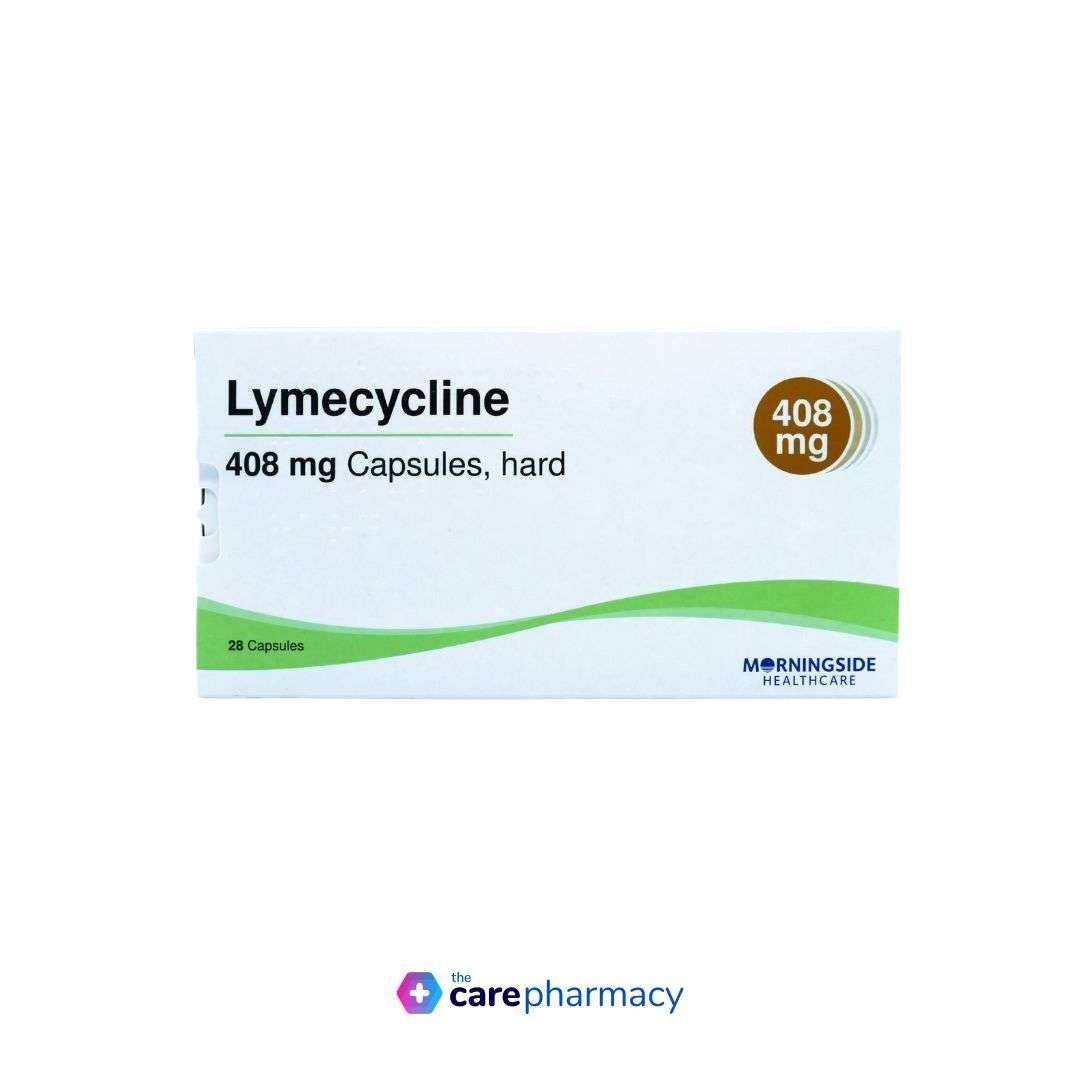
Lymecycline 408mg capsules are a once-daily prescription option for moderate to severe acne, including acne on the back and chest.

✓ 28-capsule pack
✓ Used alongside a suitable topical acne treatment
✓ Online assessment by a UK prescriber

Packaging may vary.

Earn up to 20 Points.

Start Consultation

icon-1

Type of medicine

Antibiotic medicine from the tetracycline group used to treat bacterial infections, including acne.

icon-2

Active Ingredient

Lymecycline – a tetracycline antibiotic that stops bacteria from growing and spreading.

icon-3

Effective within

Visible improvement in acne symptoms is usually seen within 4 to 8 weeks of treatment.

icon-4

Not Suitable For

People allergic to tetracyclines; not suitable for children under 12, pregnant or breastfeeding women, or those with liver or kidney problems.

icon-5

Side effects

Common side effects may include nausea, abdominal pain, diarrhoea, headache, or sensitivity to sunlight.

icon-6

Works by

Inhibiting bacterial protein synthesis to prevent bacteria from multiplying, helping clear infection and reduce inflammation.

Lymecycline capsules for persistent acne

If inflamed spots on your face, chest or back are difficult to manage, an oral treatment may be an option. Lymecycline reduces acne-causing bacteria and is prescribed as part of a treatment plan, usually alongside a suitable non-antibiotic cream or gel.

What is in the pack?

Each pack contains 28 capsules of lymecycline 408mg. Select the pack to see the price. At the usual once-daily acne dose, this is a 28-day supply; your full course and any repeat supply depend on your prescription and review.

What should you expect?

Acne improves gradually over several weeks. A treatment review is usually needed at around 12 weeks to assess progress and whether the antibiotic should continue. Do not use leftover antibiotics or extend the course yourself.

Start with an online assessment

Tell us which areas are affected, what you have tried and any medicines you take. Our prescriber will assess suitability before supply. Compare our acne treatment options if you are unsure which approach to discuss.

For spots on your back or chest, read our back acne treatment guide before your assessment.
Reviews

There are no reviews yet.

Be the first to review “Lymecycline”

How should I take Lymecycline?

Lymecycline should be taken exactly as directed by your healthcare professional or according to the instructions in the patient information leaflet. It is usually taken once daily, preferably at the same time each day, to maintain consistent levels in your body.

Swallow the capsule whole with a full glass of water while sitting or standing upright to reduce the risk of irritation to the throat or oesophagus. It is best taken on an empty stomach, but follow your healthcare provider’s advice. Avoid lying down immediately after taking it. Complete the full course of treatment, even if your symptoms improve.

What ingredients are in Lymecycline?

Lymecycline contains the active ingredient lymecycline, a tetracycline antibiotic used to treat bacterial infections, particularly acne.

In addition to the active ingredient, capsules may contain inactive components such as gelatin, magnesium stearate, and colouring agents, which help form and stabilise the medication.

Always check the patient information leaflet supplied with your medication for a full and accurate list of ingredients, especially if you have allergies or sensitivities. If you are unsure, speak to your pharmacist before taking Lymecycline.

Warnings and precautions

Lymecycline may not be suitable for everyone. Speak to a healthcare professional before using it if you have liver or kidney problems, or if you are taking other medications such as retinoids or anticoagulants.

Lymecycline can make your skin more sensitive to sunlight, so it is important to avoid excessive sun exposure and use appropriate sun protection. It should not be taken during pregnancy or breastfeeding, or by children under 12 years of age.

Avoid taking Lymecycline at the same time as dairy products, antacids, or supplements containing calcium, magnesium, or iron, as these can reduce its effectiveness. If you experience severe headaches, vision changes, or signs of an allergic reaction, seek medical advice promptly.

What are the side effects of Lymecycline?

Lymecycline may cause side effects, although many people use it without significant problems. Common side effects can include nausea, stomach discomfort, or diarrhoea, particularly when first starting treatment.

Some people may experience increased sensitivity to sunlight, making sunburn more likely. Less commonly, side effects may include headaches or skin reactions.

Rare but more serious side effects can include severe allergic reactions, persistent headaches with visual disturbances, or liver-related issues. If you experience severe or unusual symptoms, seek medical advice promptly.

How do I store Lymecycline?

Store Lymecycline at room temperature in a cool, dry place, away from direct heat and sunlight. Keep the medication in its original packaging to protect it from moisture.

Keep out of sight and reach of children and do not use after the expiry date printed on the packaging. If you have any unused medication, speak to your pharmacist about safe disposal.

Most people tolerate lymecycline well, but like all medicines it can cause side effects. Common side effects include feeling sick, stomach pain, diarrhoea or loose stools, constipation, and headaches. Some people may develop thrush (a fungal infection) in the mouth or genital area, or become more sensitive to sunlight; using sunscreen and avoiding sunbeds can help. Serious side effects are rare, but if you develop a rash, severe diarrhoea, dizziness, difficulty breathing, liver problems or other unusual symptoms, stop taking the medicine and seek medical advice immediately.
Some medicines can interact with lymecycline. Antacids, indigestion remedies or supplements containing aluminium, magnesium, calcium, bismuth, iron or zinc can reduce absorption; take them at least two hours before or after your capsule. Lymecycline may also interact with other antibiotics, quinapril, retinoids (vitamin A derivatives such as isotretinoin used for acne), warfarin and other blood-thinning medicines, diuretics and some epilepsy medicines. Always tell your doctor or pharmacist about any other prescription medicines, over the counter products or herbal supplements you are taking so they can advise you.

Lymecycline may be prescribed for moderate to severe acne affecting the back, chest or face. Your prescriber will assess the type and severity of your spots, previous treatments and whether an oral antibiotic alongside a suitable topical treatment is appropriate.

You may start to see an improvement in your acne within one to two weeks of starting lymecycline, but it can take several weeks to reach its full effect. Many people notice significant improvement by the end of the first month, but treatment is often continued for two to three months to clear the skin completely. Continue taking the capsules as prescribed, even if you do not see immediate results, and speak to your doctor if you have concerns.

For acne, an oral antibiotic should usually be used alongside a suitable non-antibiotic topical treatment. Tell your prescriber what you already use so they can recommend a combination and arrange a review, usually at around 12 weeks.