Skinoren Price Comparison UK: 20% Cream in 50g Tubes
Compare Skinoren prices for 20% cream in the UK. See matching 50g tubes, delivery costs and the separate 30g listing.
The terms blemish-prone skin and acne are often used interchangeably, but they are not the same thing — and treating them as if they are is one of the most common reasons people spend months cycling through products that never quite deliver the results they need. Blemish-prone skin is a broad description of skin that is susceptible to occasional spots, blackheads, and congestion, often linked to excess oil production, hormonal fluctuations, or lifestyle factors, and typically responsive to good skincare habits and targeted OTC ingredients. Acne, by contrast, is a diagnosed skin condition with a specific clinical definition — one that involves a combination of excess sebum, follicular blockage, bacterial proliferation, and inflammation, and that in moderate-to-severe presentations requires prescription treatment to manage effectively. The distinction matters because the right treatment for blemish-prone skin and the right treatment for clinical acne are often very different, and using acne-targeted prescription treatments unnecessarily or failing to access them when they are genuinely needed both lead to suboptimal outcomes. Our prescribing team works with patients across the UK every day to identify exactly what their skin needs and match them with the most appropriate treatment for their specific presentation.
Every skin concern deserves a clear and clinically informed answer. Get in touch with our prescribing team, or complete our online consultation to find out which treatment is right for your skin today.
Quick Answer
Blemish-prone skin describes a skin type that is susceptible to occasional spots and congestion, typically manageable with a consistent OTC skincare routine incorporating ingredients such as salicylic acid, niacinamide, and benzoyl peroxide. Acne is a clinical skin condition involving four interconnected mechanisms — excess sebum, follicular blockage, bacterial proliferation, and inflammation — and in moderate-to-severe presentations requires prescription treatment to achieve meaningful improvement. The key distinguishing factors are the frequency and severity of breakouts, the type of lesions present, and how the skin responds to OTC treatment over eight to twelve weeks. If you have been using OTC products consistently without adequate improvement, or if you have inflammatory papules, pustules, nodules, or cysts rather than occasional surface-level spots, clinical acne is the more likely diagnosis. At that point, a prescription treatment is not simply the next step — it is the clinically appropriate standard of care.
Blemish-prone skin is a widely used but clinically imprecise term that broadly describes skin that produces spots, blackheads, or congestion more readily than skin without this tendency. It is not a diagnosis — it is a description of a skin characteristic, much like “dry skin” or “sensitive skin,” and it encompasses a wide spectrum of presentations ranging from occasional hormonal breakouts to persistent mild congestion.
People with blemish-prone skin typically share some or all of the following characteristics:
Blemish-prone skin is extremely common and does not necessarily indicate underlying pathology. For many people, it is a manageable skin characteristic that responds well to appropriate skincare habits, gentle routine management, and targeted OTC ingredients. The challenge comes when the boundary between blemish-prone skin and clinical acne is crossed — something that happens gradually and is often not recognised until months of ineffective OTC product use have already passed.
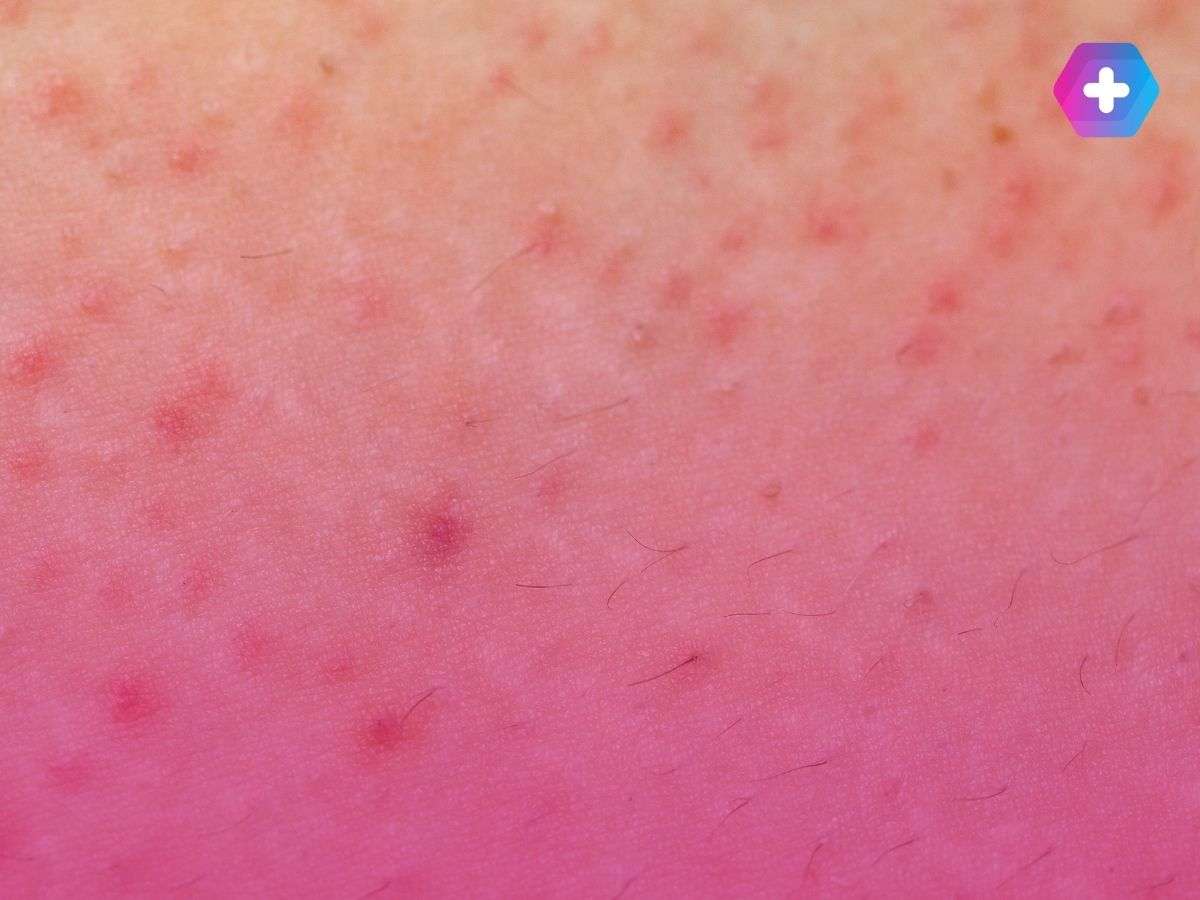
Acne vulgaris is a chronic inflammatory skin condition with a specific clinical definition. It is characterised by the presence of comedones (blackheads and whiteheads), inflammatory lesions (papules, pustules, nodules, and cysts), or a combination of both, affecting the face and frequently also the back, chest, and shoulders.
Clinically, acne is graded by severity:
The distinction between blemish-prone skin and clinical acne is not always a sharp line — blemish-prone skin that is poorly managed can progress to mild acne, and mild acne can escalate to moderate or severe if left untreated or treated with insufficient intervention. What matters clinically is not the label but the appropriate response: identifying the severity of the presentation and matching it with the most effective available treatment.
The table below summarises the most clinically relevant differences between blemish-prone skin and acne across the criteria that matter most when deciding on the right treatment approach:
Both blemish-prone skin and acne share several overlapping root causes, which is part of what makes the distinction between the two so easy to miss. The causative factors behind blemish-prone skin and acne are what determine whether good skincare habits alone will be sufficient or whether prescription treatment is the appropriate clinical response.

One of the most practically useful questions this blog can answer is: at what point should you stop trying OTC products and seek a prescription? The answer is clearer than most people expect.
OTC treatment is appropriate if:
A prescription treatment is warranted if:
Recognising your skin in the second list is a clear sign that prescription treatment is the right next step. Complete our online consultation and our prescribing team will assess which option is most appropriate for you.
The following OTC ingredients and habits have the strongest evidence base for managing blemish-prone skin, where breakouts are occasional, predominantly surface-level, and responsive to a consistent routine.
Salicylic acid is a beta-hydroxy acid (BHA) that is oil-soluble, meaning it can penetrate into the sebum-filled pore and dissolve the bonds between dead skin cells that cause blockages. It is the most appropriate first-line active for predominantly comedonal blemish-prone skin, particularly for blackheads, enlarged pores, and T-zone congestion. Used as a leave-on toner, serum, or gel rather than a rinse-off cleanser for maximum effect.
Niacinamide is a versatile, well-tolerated active ingredient that reduces sebum production, minimises the appearance of pores, provides mild anti-inflammatory activity, and helps to fade post-blemish marks. It is one of the most practically useful ingredients for blemish-prone skin and is compatible with almost all other actives in a skincare routine.
When blemish-prone skin occasionally produces red, inflammatory spots alongside the usual blackheads and congestion, a low-concentration benzoyl peroxide used as a targeted spot treatment or leave-on product provides meaningful antibacterial and anti-inflammatory benefit. The 2.5% concentration is as effective as higher concentrations with less irritation.
Switching to non-comedogenic, fragrance-free cleansers, moisturisers, and SPF products removes one of the most common and overlooked drivers of blemish-prone skin — the skincare routine itself. This is particularly relevant for patients who have been investing heavily in skincare but whose blemishes persist despite, or because of, their routine.
Once the prescription moves beyond blemish-prone skin into clinical acne, prescription treatment is where the results that OTC products have been unable to deliver are finally found. The following options are available following a clinical consultation with our prescribing team.
Epiduo is a fixed-dose combination gel that addresses three of the four core acne mechanisms simultaneously. Adapalene — a third-generation retinoid — normalises follicular cell turnover, prevents comedone formation, and provides direct anti-inflammatory activity. Benzoyl peroxide kills C. acnes and prevents antibiotic resistance. Applied once daily in the evening, it is particularly effective for mixed acne with both comedonal and inflammatory components, and is considered one of the most clinically effective first-line prescription topical treatments available.
Duac is a once-daily combination gel that pairs the topical antibiotic clindamycin with benzoyl peroxide, providing potent antibacterial activity alongside resistance prevention. It is the most appropriate prescription choice for predominantly inflammatory acne with papules and pustules, and is well tolerated by most adult skin types.
Lymecycline is an oral tetracycline antibiotic prescribed for moderate-to-severe inflammatory acne, or for acne that is too widespread for topical treatment alone to manage. Taken once daily for a minimum of twelve weeks, it is typically prescribed alongside a topical treatment for maximum benefit and to reduce the risk of antibiotic resistance. It is one of the most commonly prescribed oral acne treatments in the UK and has a well-established efficacy and tolerability profile.
All three treatments are available following a confidential online consultation with our prescribing team. Get in touch if you have questions about which option is most appropriate for your skin.
Whether you have blemish-prone skin or clinical acne, the following habits will support your treatment and reduce the frequency and severity of breakouts:
The following questions are the one our team is asked most frequently by patients trying to understand their skin and find the right treatment approach:
The most reliable indicators are the type and persistence of your breakouts. If your spots are predominantly blackheads and whiteheads, occur occasionally in response to identifiable triggers, and resolve within a week or two without significant inflammation, blemish-prone skin is the more likely description. If you have persistent red, raised, or painful inflammatory lesions — particularly papules, pustules, or deeper nodules — that have been present for more than three months without significant improvement from OTC products, clinical acne is the more appropriate diagnosis.
Yes — blemish-prone skin that is poorly managed or exposed to persistent triggers can progress into clinical acne, particularly if hormonal factors, bacterial colonisation, or comedogenic products are driving ongoing follicular blockage and inflammation. This progression is not inevitable, and a consistent, appropriate skincare routine can maintain blemish-prone skin without it developing into clinical acne.
For blemish-prone skin, the most clinically supported OTC ingredients are salicylic acid for comedonal congestion, niacinamide for sebum regulation and anti-inflammatory benefit, and low-concentration benzoyl peroxide for occasional inflammatory spots. When OTC actives have not delivered sufficient improvement, prescription combination products such as Epiduo or Duac offer a fundamentally more powerful clinical approach that consistently produces better outcomes for moderate-to-severe acne.
Adult blemish-prone skin and acne are more common than most people realise, driven by the same hormonal, lifestyle, and physiological factors that cause breakouts at any age. Hormonal fluctuations linked to the menstrual cycle, perimenopause, stress, contraceptive changes, and dietary habits are among the most common adult drivers — and these tend to produce a lower-face distribution of breakouts around the chin and jawline that is characteristic of hormonally influenced skin.
No — prescription acne treatments including Epiduo, Duac, and lymecycline are available through a GPhC-registered online pharmacy following a clinical assessment by a qualified independent prescriber, without the need for a GP appointment or referral. Our online consultation process is quick, clinically rigorous, and entirely confidential, with prescriptions issued and dispatched promptly following assessment.
Most patients begin to notice a reduction in new spot formation within four to eight weeks of consistent daily use, with more significant visible improvement typically seen at the twelve-week mark. The most common reason prescription acne treatments fail is stopping them before this point — committing to a full twelve-week course with consistent daily application is essential for achieving the clinical benefit these treatments can deliver.
Before you can treat your skin effectively, you need to understand it. Knowing whether you have blemish-prone skin or clinical acne is not just a matter of labels — it is the foundation on which every treatment decision should be based. Get that right, and the path to clearer skin becomes significantly shorter.
Blemish-prone skin tends to respond well to OTC treatment when the right active ingredients are chosen and used with genuine consistency over time. Prescription treatment is where clinical acne patients find the results that OTC products have consistently failed to deliver, and getting access to it has never been simpler. The patients who get the most from prescription acne treatment are those who access it at the right time rather than spending months cycling through OTC products that were never going to be sufficient for their presentation.
Our pharmacist-led prescribing team is here to help you cut through the confusion, identify exactly what your skin needs, and find the most appropriate clinical approach for your specific presentation. From occasional breakouts to persistent acne that has been affecting your confidence for years, our prescribing team is here to help you find a treatment approach that actually delivers the results you deserve.
Reach out to our team today, or complete our online consultation to explore which prescription acne treatments may be right for you.

Medically reviewed by
Superintendent Pharmacist


Compare Skinoren prices for 20% cream in the UK. See matching 50g tubes, delivery costs and the separate 30g listing.
Compare lymecycline prices for 28 generic 408mg capsules in the UK. Check fees, larger packs and the full treatment cost.
Compare standard Epiduo 0.1%/2.5% gel prices for 45g and 60g packs, including delivery, prescription fees and sensible pack-size checks.
Compare Duac 3% and 5% gel prices in separate tables, with 30g and 60g quantities, delivery examples and expiry checks for a suitable course.
Compare UK Differin gel prices with pack quantities kept visible: 45g and 50g, delivery and prescription fees, and approximate costs per gram.
Skinoren for acne marks: understand dark marks, spots and scars, and find out when to ask about acne treatment with The Care Pharmacy.