Otomize Price Comparison UK: Generic Ear Spray Costs
Otomize price comparison: 5ml generic ear spray from £10.99 at The Care Pharmacy, plus delivery. Check full costs. Start consultation.
Earwax and tinnitus | Bradford ear advice
Earwax and tinnitus can happen together, but ringing in your ears does not prove you have a blockage. An ear examination can help identify wax or another treatable problem. If your hearing changes suddenly, or the ringing comes with other warning signs, get medical help rather than waiting for a wax appointment. For suspected wax without urgent symptoms, The Care Pharmacy can discuss an earwax assessment in Bradford.

Tinnitus means hearing a sound without an outside source. It might be ringing, buzzing, humming or hissing, in one ear, both ears or your head. Wax is one possible cause, but hearing loss, infections and other problems can also be involved. You cannot tell which applies simply by the sound you hear.
Wax normally protects the ear canal and often clears naturally. A build-up may need treatment when it causes symptoms or stops a clinician seeing the eardrum clearly. Cambridge University Hospitals’ earwax advice explains when removal may be needed. Tell the clinician if your ear feels blocked, even if the ringing is your main concern.
For example, you may notice a duller sound in one ear and ringing at night. Mention both changes when asking for help. Do not assume the ringing must be harmless because you have had wax before, or that booking wax removal will necessarily solve it.
Go to A&E or call 999 if tinnitus follows a head injury, or comes with sudden hearing loss, facial muscle weakness or a spinning sensation called vertigo. The NHS tinnitus advice also recommends an urgent GP appointment if the sound beats in time with your pulse.
For sudden hearing loss without those accompanying symptoms, hearing that worsens over days or weeks, or hearing loss with earache or discharge, ask for an urgent GP appointment or contact NHS 111. NHS hearing-loss guidance explains why these changes should be checked promptly. Do not wait to see whether wax drops help first.
See your GP for ringing that is regular, constant, getting worse or affecting sleep or concentration. Explain how it is affecting you; you do not have to wait until it becomes unbearable.
You do not need a detailed diary before contacting a clinician. A few clear observations are usually more useful than trying to name the cause. If you are unsure when the ringing started, say that rather than guessing.
If you wear hearing aids, say whether the noise remains when they are removed. Device feedback is a separate problem: our hearing-aid whistling guide explains that distinction. Bring the device details if relevant, but avoid repeatedly changing its settings to test your hearing.
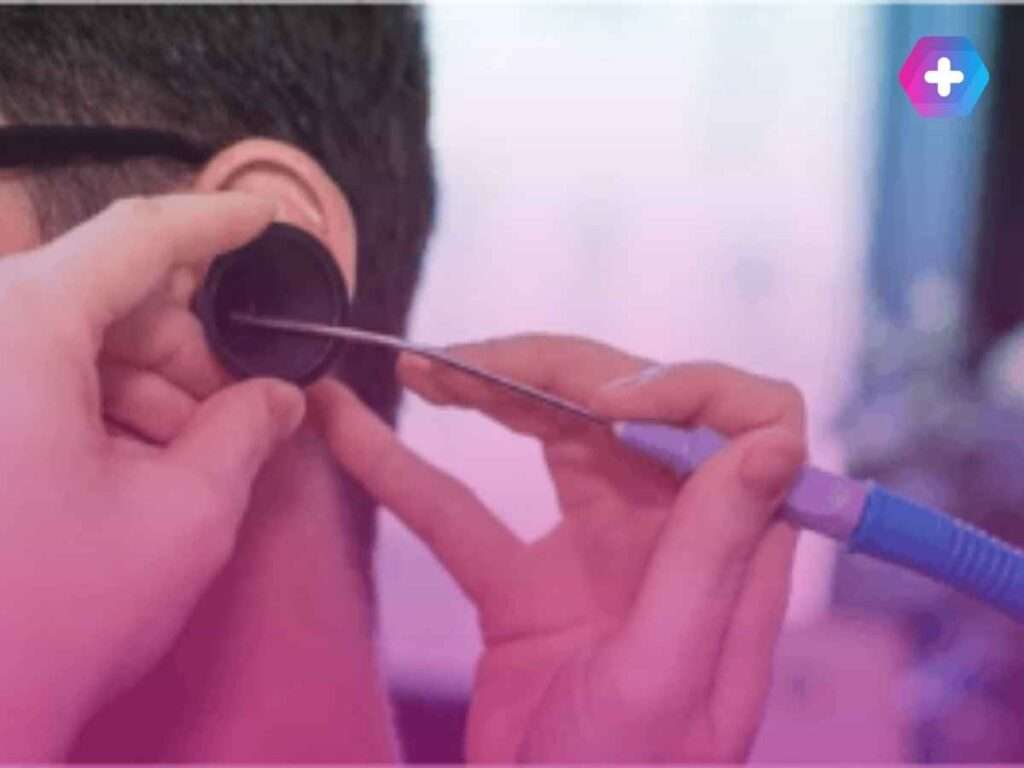
A clinician can use a light and magnifying instrument to look for wax and other visible problems. Tell them about symptoms before the examination, even if you have booked specifically for wax. Finding some wax does not automatically explain every symptom.
If there is no significant blockage, ask what the next step should be. You may need a GP review, a hearing test or a specialist assessment. NHS specialist tinnitus assessments can include an ear examination, discussion of your symptoms and hearing tests. A wax appointment does not necessarily include those tests or ongoing tinnitus care.
It can help to write down the outcome: whether wax was found, whether it was removed and what follow-up was recommended. That way, you can tell your GP or audiology team exactly what was found and what treatment you had.
Removing a blockage may help when wax is contributing to symptoms, but there is no guarantee the ringing will stop. The decision should follow an examination and a discussion of the likely benefit, alternatives and risks.
Microsuction uses a small suction tube to remove suitable wax while the practitioner looks into the ear. It can sound loud and may be uncomfortable. UCLH’s microsuction information describes possible effects including irritation, dizziness and, rarely, changes in hearing or tinnitus. Tell the practitioner if you already find sound painful or have had problems with removal before.
Agree how you will signal if you need a pause. If you feel pain, dizziness or distress during treatment, speak up. You can ask to pause or stop at any point, even if you have already paid for the appointment.
Persistent ringing does not necessarily mean more wax needs removing. Tell your GP what was found and whether the sound changed afterwards. A new or worsening hearing change still needs appropriate medical advice; do not assume it is an expected part of recovery.
Further help can include hearing assessment and support for sleep, concentration or distress. NHS audiology tinnitus care may involve hearing aids where appropriate, gentle background sound or talking therapies. The aim is to reduce the effect tinnitus has on your life, and the approach depends on your needs.
A hearing test and a wax check answer different questions. Ask which appointment is being recommended and why, particularly if you have already paid for removal elsewhere.
Do not put cotton buds, fingers or tools into the ear canal. These can push wax further in or cause injury. The NHS earwax advice warns against using ear drops if you have a hole in your eardrum. Ask a pharmacist before trying drops if you have had ear surgery or are unsure.
If a wax appointment is appropriate, ask that clinic about preparation. Tell them about your ear history before following softener instructions. You do not need to force wax out yourself to make the visit worthwhile.
Avoid repeatedly checking the ringing in a silent room. Gentle background sound may make it less noticeable. Keep it comfortable rather than turning headphones up to drown it out, and discuss persistent sleep difficulties with your GP.
The Care Pharmacy offers microsuction earwax removal in Bradford. Call 01274 600785 to ask about suitability, availability and the fee. Explain that you have ringing as well as any blocked feeling. The team can tell you whether an earwax appointment is an appropriate next step.
Confirm the branch address and appointment arrangements before travelling, especially if you are coming from Leeds. The Care Pharmacy has no Leeds branch. Use the contact page if you need to ask about communication or access needs. Routine messages are not suitable for urgent symptoms.
You can also ask your GP surgery what NHS earwax care is available locally. Availability varies, so check rather than assuming private treatment is your only option.
Ask about an examination first. Removal is useful only when wax is present and treatment is appropriate.
No. Tell your GP about persistent one-sided ringing, especially with any hearing change.
The Care Pharmacy offers earwax assessment and removal. Ask your GP about hearing tests or specialist tinnitus support.
If you suspect wax and have no urgent warning signs, call The Care Pharmacy to discuss your symptoms and the Bradford earwax service. Confirm the location, suitability and fee before arranging a visit.
Mohammed Ismail Lakhi MPharm
Superintendent Pharmacist at The Care Pharmacy
GPhC Registration Number: 2072815
The Care Pharmacy is led by Superintendent Pharmacist Mohammed Ismail Lakhi MPharm. Its healthcare team assesses individual suitability before providing treatment. Your clinician can explain how general guidance applies to your symptoms and ear health.

Medically reviewed by
Superintendent Pharmacist


Otomize price comparison: 5ml generic ear spray from £10.99 at The Care Pharmacy, plus delivery. Check full costs. Start consultation.
Hearing aid whistling can involve fit, device parts or earwax. Check the right next step and ask The Care Pharmacy about its Bradford earwax service.
Swimmer’s ear treatment: learn when a spray may help, how to care for a sore ear and when to get urgent advice with The Care Pharmacy.
Earwax usually works its way out naturally. If your ears feel blocked or your hearing has changed, wax may be one explanation, but it is worth having the cause checked. Sudden hearing loss needs urgent medical advice rather than a routine wax-removal appointment. What is Earwax? Ear wax, medically known as cerumen, is a natural […]