Otomize Price Comparison UK: Generic Ear Spray Costs
Otomize price comparison: 5ml generic ear spray from £10.99 at The Care Pharmacy, plus delivery. Check full costs. Start consultation.
Swimmer’s ear treatment may include a prescription spray, but first a clinician needs to check what is causing the soreness. A painful or blocked ear can have several causes, and some sprays are unsafe if there is a hole in the eardrum. Get prompt medical advice for discharge, hearing changes, or ear symptoms if you have diabetes or a weakened immune system.
Swimmer’s ear is a common name for otitis externa: inflammation or infection in the outer ear canal. That is the passage leading from the ear opening to the eardrum. It is different from a middle-ear infection behind the eardrum.
Water and irritation can contribute, but you do not need to have been swimming to develop it. The canal may feel itchy, sore or tender, and swelling can make the ear feel blocked. Symptoms overlap with other ear problems, so the name alone cannot confirm a diagnosis.
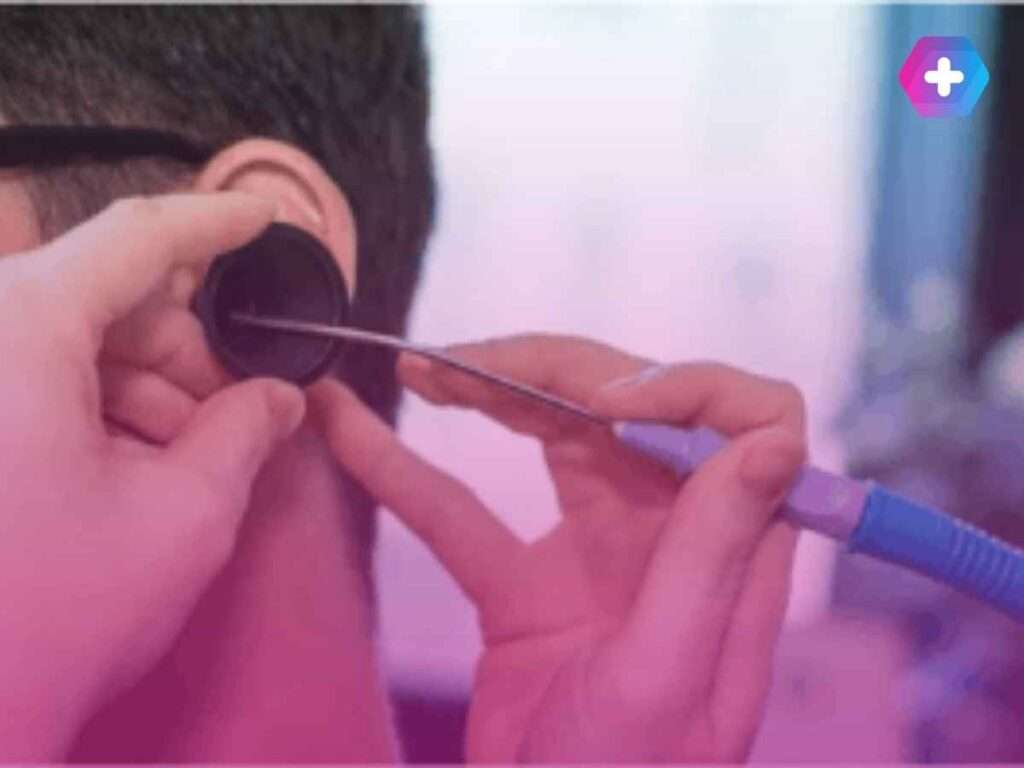
A clinician may need to look inside your ear with an otoscope: a small instrument with a light that shows the canal and eardrum. This helps them choose a safe treatment. Read more about ear infections and when to get help.
Wax, canal swelling, a middle-ear problem and other causes can all produce a blocked feeling. Treating the wrong cause may fail to help and could be unsafe. Do not use a prescription infection spray as a general wax remover.
Tell the clinician whether your ear itches, hurts or feels blocked, and whether you have discharge or changed hearing. Say when it started and whether one or both ears are affected. Mention recent swimming, but remember that soreness after a swim can have other causes.
A photograph of the outside of your ear cannot show the whole canal or whether there is a hole in the eardrum. You may need an appointment in person so a clinician can look inside. Mention previous ear problems even if they happened years ago.
Seek urgent GP advice or NHS 111 if there is fluid coming from the ear, new hearing loss or a hearing change, swelling around the ear, a high temperature or feeling generally unwell. Ear-infection symptoms in someone with diabetes or a weakened immune system also need urgent advice.
Do not wait for an online reply if pain is severe or worsening, the area behind your ear is swollen, or you feel very unwell. Get prompt medical attention; you may need more than an ear spray.
Also report dizziness, facial weakness, an injury or a suspected object in the ear. Do not try to remove a deeply lodged object yourself. If symptoms suggest an emergency, use emergency care rather than continuing a routine pharmacy request.
Some outer-ear infections can be treated with drops or a spray. The clinician checks the cause, the canal and eardrum, and any allergies before choosing treatment. Tell them what you have already tried, rather than restarting an old prescription yourself.
Branded Otomize has been discontinued. If this type of treatment is suitable for you, The Care Pharmacy may supply a generic ear spray with the same three active ingredients: dexamethasone, neomycin and acetic acid. Your pharmacist can explain which medicine you are receiving and how to use it.
Dexamethasone is a steroid that reduces inflammation, and neomycin is an antibiotic. The spray also contains acetic acid. It is used for outer-ear infections, not every type of earache. Its medicine information explains the precautions. Do not borrow someone else’s bottle or repeat a previous course without advice.
The spray is not suitable when a perforated eardrum is known or suspected, or when a grommet is present. A perforation is a hole in the eardrum; a grommet is a small tube placed through it. These change where the medicine could reach.
Tell the clinician if you have ever had ear surgery, grommets or a burst eardrum, as well as ongoing discharge or a long-standing ear condition. Neomycin can damage hearing if it reaches the wrong part of the ear. An operation from years ago can still affect which treatment is safe now.
If you do not know whether your eardrum has healed, say so. The clinician may need to examine your ear before prescribing. Mention previous hearing loss and explain whether your hearing has changed recently, so they can distinguish a new problem from an existing one.
Avoid swimming and keep water out of the affected ear while you have an infection, following the clinician’s advice. Be careful during washing. Do not push a plug or cotton bud into a sore canal to seal it, and ask for practical guidance if keeping it dry is difficult.
Do not scratch inside the ear, use ear candles or insert tools to clear the blockage. These can injure the skin or push material further in. Cleaning the visible outer area is different from trying to clean deep inside the canal.
If you wear a hearing aid or another device in your ear, tell the clinician. Ask how to clean it and whether you should pause using it while the ear heals. Explain your hearing needs so the advice is practical for you.
The NHS earwax information explains why putting objects into the ear is unhelpful. Do not add wax drops or another ear preparation to an infection treatment without checking suitability first.
Follow the exact directions for the supplied product, including preparing the nozzle, applying it and keeping it clean. Keep the leaflet. Do not assume that another bottle with a familiar name has identical instructions or is still usable after being stored for months.
Follow your prescription and the supplied leaflet. If there is no improvement after seven days, stop this spray and seek medical advice. Get help sooner if symptoms worsen. Do not extend or repeat the course without the prescriber checking your ear.
Stop using this spray and seek advice if it causes irritation or a rash, or your condition worsens. Before starting, mention pregnancy, breastfeeding, allergies and other medicines so the clinician can check whether it is suitable.
If swelling or a build-up of material stops the medicine reaching the sore area, you may need treatment in person. Do not force the nozzle deeper or use extra doses. Tell the clinician if applying the spray is painful or difficult.
Explain whether this is the first episode or a recurring problem. List earlier diagnoses, prescribed treatments, ear cleaning procedures and how well they worked. Include whether symptoms returned immediately after swimming or after wearing something in the ear.
Recurring symptoms can involve irritation, eczema or another underlying issue rather than repeated identical infections. A clinician may need to review the diagnosis or take a sample. Reordering the same antibiotic each time is not automatically the best plan.
Mention any hearing tests or advice from an ear specialist, and whether this episode feels different. A note of when symptoms return and what helped can be useful, especially if you have had several courses of treatment.
Ask your clinician when you can swim again. Recovery varies, so a set number of days does not tell you whether your ear has healed. Ongoing discharge, pain or hearing changes need another check, even after you have finished the course.
If swimming seems to trigger repeated episodes, ask about keeping water out and whether your equipment irritates the ear. You do not have to give up swimming permanently, but repeated soreness needs checking before you return to the pool.
Branded Otomize has been discontinued. The Care Pharmacy may supply a generic Otomize spray with the same three active ingredients if a prescriber decides it is suitable. Ask your pharmacist which medicine you will receive and follow the instructions supplied with it.
This spray is used for infections in the outer ear canal, not infections behind the eardrum. A clinician may need to look inside your ear to tell the difference and choose the right treatment.
No. This spray is unsuitable if you have a grommet or a known or suspected hole in the eardrum. Tell the clinician so they can check your ear and choose a safer option.
Tell The Care Pharmacy about your ear symptoms, previous ear problems and any treatment you have tried. A prescriber can check whether an ear spray may help or whether you need an examination in person. For discharge, hearing changes or the other urgent signs above, contact your GP or NHS 111 rather than waiting for an online reply.
Mohammed Ismail Lakhi MPharm
Superintendent Pharmacist at The Care Pharmacy
GPhC Registration Number: 2072815
The Care Pharmacy is led by Superintendent Pharmacist Mohammed Ismail Lakhi MPharm. The pharmacy assesses individual suitability before prescribing or supplying prescription treatment. Your own clinician can explain how general guidance applies to your health, medicines and treatment plan.

Medically reviewed by
Superintendent Pharmacist


Otomize price comparison: 5ml generic ear spray from £10.99 at The Care Pharmacy, plus delivery. Check full costs. Start consultation.
Hearing aid whistling can involve fit, device parts or earwax. Check the right next step and ask The Care Pharmacy about its Bradford earwax service.
Being able to hear clearly is a priceless gift anyone can have because it helps us connect with the world around us. But sometimes, earwax can affect our sense of hearing. Every year, about 2 million people in the UK have impacted earwax that must be removed professionally. If left untreated, impacted earwax can cause […]