Eczema vs Psoriasis: Why the Diagnosis Matters
Understand why eczema and psoriasis can be confused, what to tell your clinician and why diagnosis matters before choosing a prescription cream.
Elocon is a strong steroid cream, usually applied once a day to the patches your prescriber has identified. Check how much to use and when to stop. If a rash returns soon after the course or looks different, ask your prescriber to check it before starting again.
Elocon cream contains mometasone furoate 0.1%, a potent steroid prescribed for selected inflammatory skin conditions. Apply a thin film once daily to the areas your prescriber identifies. The course length depends on the condition and body area. Do not extend it, use it on a new rash or add a dressing without advice. Elocon can cause side effects, including skin thinning, and needs particular care on the face, in children and after prolonged use.
Elocon is a brand of mometasone furoate, a steroid medicine applied to the skin. The cream contains 0.1% mometasone. It is stronger than hydrocortisone 1%, despite the lower percentage on the tube, because these are different medicines. If you have been given a new cream, check its name rather than judging its strength by the number alone. Tell your pharmacist if you still have another steroid at home so you know which one to use.
Your prescriber should explain which patches to treat and what improvement to look for. Useful points to clarify include:
Keep the aim specific: treat the diagnosed condition with the amount and course you were prescribed. A cream that helped one patch is not automatically suitable for another rash. If your skin looks different from the photographs or symptoms you described at assessment, tell the clinician before starting it on the new area.
The prescribed application for Elocon cream is usually once daily. Adding a second application or a thicker layer is not a way to make it work faster. Choose a time you can remember, and follow the dispensing label if your clinician has given different instructions. If you miss an application, check the leaflet or ask a pharmacist; do not make up for it by putting on extra cream.
Elocon cream is licensed for the inflammation and itch of atopic dermatitis and psoriasis, excluding widespread plaque psoriasis. A clinician needs to establish the diagnosis and decide whether the body area and severity are suitable. An itchy or scaly rash alone does not establish either condition.
Atopic eczema can leave skin dry, itchy and inflamed. A prescriber may choose a potent steroid for an active flare when it is appropriate for the person and area involved. Continue the moisturiser plan you have been given. Ask how long to use Elocon and what to do when the patch settles, particularly if you have needed repeated courses or the eczema returns quickly.
Elocon may be prescribed for selected psoriasis patches, but it is not licensed for widespread plaque psoriasis. Psoriasis can need a different plan from eczema, including advice about stopping or changing steroid treatment. Tell the prescriber if you have psoriasis or if a previous diagnosis is uncertain. Do not treat widespread scaling or a newly spreading rash with leftover Elocon while waiting for it to improve.
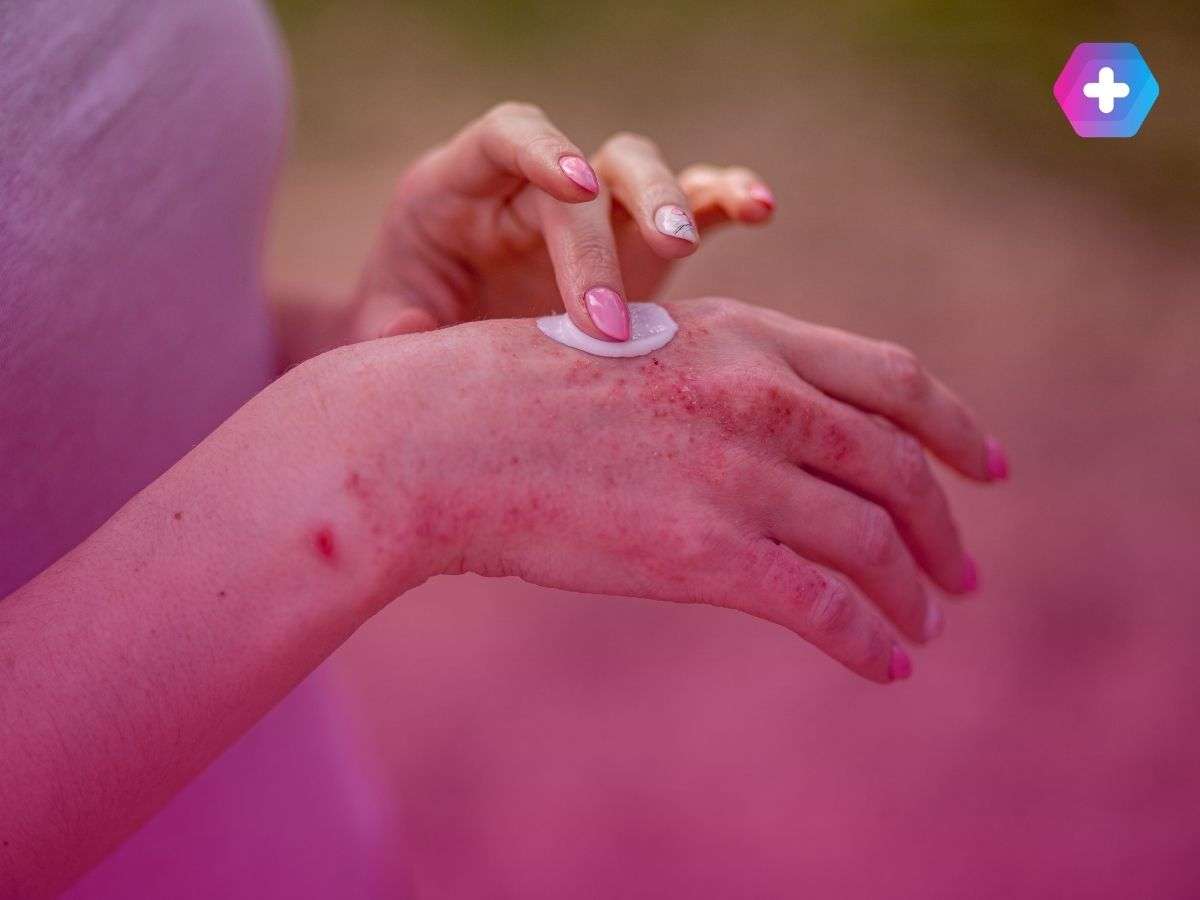
Contact dermatitis may follow repeated washing, cleaning products or contact with something you are allergic to. Removing an avoidable exposure can be as important as the medicine. The Elocon cream licence specifically names atopic dermatitis and selected psoriasis; treatment for another diagnosis needs an individual prescribing decision. Mention work, glove and skincare exposures, and ask whether a persistent problem needs examination or allergy testing.
A similar-looking rash does not mean the same steroid is appropriate. For example:
Elocon cream and ointment both contain mometasone furoate 0.1%. The cream feels lighter and the ointment is greasier. Your prescriber will consider where the rash is and how dry it is. If the prescription says ointment and you have been given cream, check with your pharmacist before using it.
| Feature | Elocon Cream | Elocon Ointment |
|---|---|---|
| Base and feel | Lighter cream | Greasy ointment |
| Skin condition | Often chosen when a lighter preparation is suitable | May be considered for very dry or thickened skin |
| Daily use | Ask how to fit application around washing and dressing | Ask about greasiness and contact with clothing |
| Ingredients | Check the cream leaflet for the full ingredients | Check the ointment leaflet; ingredients differ |
| If it irritates | Tell the pharmacist and ask for the product to be checked | Tell the pharmacist and ask for the product to be checked |
| Changing preparation | Use the preparation prescribed for you | Do not substitute it without advice |
If the preparation stings, is hard to spread or does not fit your routine, explain the difficulty to the pharmacist. They can check the ingredients and discuss whether a change is appropriate. Do not add another steroid or alternate cream and ointment yourself. Ask what to do with the old tube if your prescription changes, so that two similar-looking medicines do not get mixed up.
Read the dispensing label and the leaflet in your pack before starting. If you have more than one skin treatment, ask which one belongs on each area. It can help to write a short list, particularly when one cream is for a body flare and another is for a more sensitive area.
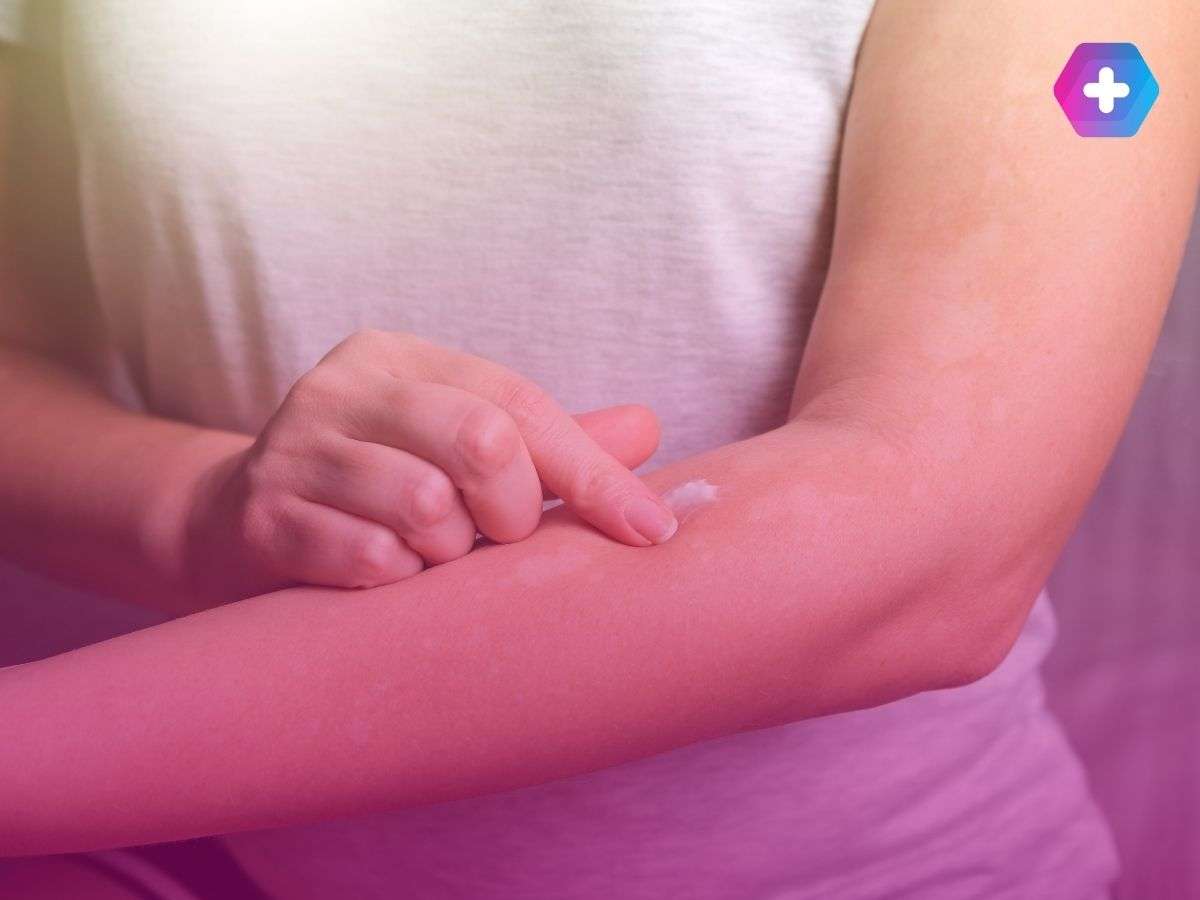
A fingertip unit is a way to describe an amount of cream: a strip from the tip of an adult index finger to its first crease. The amount you need depends on how much skin you have been told to treat. Ask the pharmacist to demonstrate it if the label is unclear. You should be able to explain these points before starting:
Use the course and stopping plan your prescriber gives you. There is no single course length for every condition or body area, and long-term continuous use should be avoided. The Elocon information limits prescribed facial or childhood courses to no more than five days. If you have used a potent steroid for a long time, get advice before stopping abruptly. Do not follow a fixed tapering schedule from a general article; your clinician should explain whether you need one.
UK topical steroids are grouped by strength. These groups help explain why a prescriber may choose a different cream for different areas. They are not a shopping guide for choosing the strongest available product:
Elocon and Betnovate both belong to the potent group. That does not make them interchangeable for every person or establish that one will cause less skin thinning for you. The diagnosis, body area, preparation, amount and treatment history all matter. If a previous steroid caused a problem, describe what happened and how long you used it. A prescriber can use that history when choosing or reviewing treatment.
Elocon can cause side effects. Applying it for too long, using it over large areas or covering treated skin can increase the risk. Keep the leaflet and report changes you were not expecting. It is useful to distinguish a new reaction while using the cream from symptoms returning after a course, because the next step may be different.
Steroids can be absorbed through the skin. Large areas, prolonged use, damaged skin and dressings can increase absorption. In some circumstances this affects the body’s own steroid-hormone production. Children are more susceptible because they have more skin surface compared with their body size. Tell the prescriber about other steroid medicines and ask about any symptoms that concern you. New blurred vision also needs medical advice.
Signs that you may be using too much or for too long:
Get advice from your prescriber about these changes and whether to continue, stop or adjust treatment. If you develop a reaction suggesting an allergy to the cream, stop using it and seek medical advice. Call 999 for breathing difficulty or sudden swelling of the mouth, tongue or throat. If you have used a potent steroid continuously for a long time, explain that when seeking advice about stopping.
Elocon is not suitable for every rash or every person. A prescriber checks the diagnosis, body area, age, treatment history and other health conditions. This adult guide does not replace an assessment for a child. Do not use an adult’s tube on a child or share prescription treatment with someone who appears to have the same skin problem.
Elocon should not be used:
Tell your prescriber if any of these apply to you
Explain your diagnosis and previous treatment in the eczema and dermatitis assessment. A prescriber may request more information or recommend examination instead of supplying a cream. A new or uncertain rash should be checked before it is treated as another routine flare.
Make the instructions fit your day. These checks are useful when you start a course or prepare for a review:
These questions cover decisions about a prescribed course. Ask your pharmacist if the instructions on your own pack are different or unclear.
Only if a clinician has specifically prescribed it for the facial area being treated. Elocon is potent; prescribed facial use is limited to no more than five days and should not be covered with a dressing. Do not choose hydrocortisone or Eumovate for a facial rash by yourself either. The diagnosis and body area need checking.
The response depends on the skin condition and treatment plan. Follow the review date you were given and seek advice sooner if the rash worsens or you have troublesome side effects. Do not add applications or extend the course because you have not seen a particular result by a set day.
Tell your prescriber if you are pregnant or planning pregnancy. They will weigh the need for treatment and advise the smallest appropriate amount for the shortest suitable course. Do not assume that a skin cream has no pregnancy considerations or continue an old course without checking.
Both are classed as potent topical steroids. Choosing between them depends on the condition, body area, preparation and your treatment history. A lower percentage or a different brand does not establish a safer or more effective choice for you. Ask your prescriber before switching.
A clinician may prescribe it for a child aged two or over when appropriate, but childhood courses are limited to no more than five days. It is not recommended under two. Children need particular care with the amount and body area, so do not use an adult prescription or rely on this adult guide for their treatment.
Yes. Elocon is a prescription-only medicine in the UK. A prescriber must check whether it is appropriate before supply. Completing an online consultation does not guarantee a prescription, and a clinician may advise an appointment if your skin needs examination.
If you already have an eczema or dermatitis diagnosis, tell The Care Pharmacy how often you have needed Elocon, where you use it and whether it has made your skin sore. The prescriber can review the course and advise whether your skin needs an examination. Get prompt help for a painful, hot or rapidly worsening rash.
Mohammed Ismail Lakhi MPharm
Superintendent Pharmacist at The Care Pharmacy
GPhC Registration Number: 2072815
The Care Pharmacy is led by Superintendent Pharmacist Mohammed Ismail Lakhi MPharm. The pharmacy assesses individual suitability before prescribing or supplying prescription treatment. Your own clinician can explain how general guidance applies to your health, medicines and treatment plan.

Medically reviewed by
Superintendent Pharmacist


Understand why eczema and psoriasis can be confused, what to tell your clinician and why diagnosis matters before choosing a prescription cream.
An itchy foot rash may be eczema, fungal infection or contact dermatitis. Learn what to report and when diagnosis should come before a steroid cream.
A practical guide to treating hand eczema, protecting sore skin at work and knowing when persistent symptoms need testing or medical review.
Itchy, cracked or flaky skin behind the ears needs careful assessment before choosing prescription eczema treatment.
Compare Betnovate prices for 0.1% cream. Our 30g tubes start at £15.99, plus delivery. Start consultation with The Care Pharmacy.
Compare Elocon prices for 0.1% cream. Our 30g tubes start at £14.48, plus delivery. Start consultation with The Care Pharmacy.