Eczema vs Psoriasis: Why the Diagnosis Matters
Understand why eczema and psoriasis can be confused, what to tell your clinician and why diagnosis matters before choosing a prescription cream.
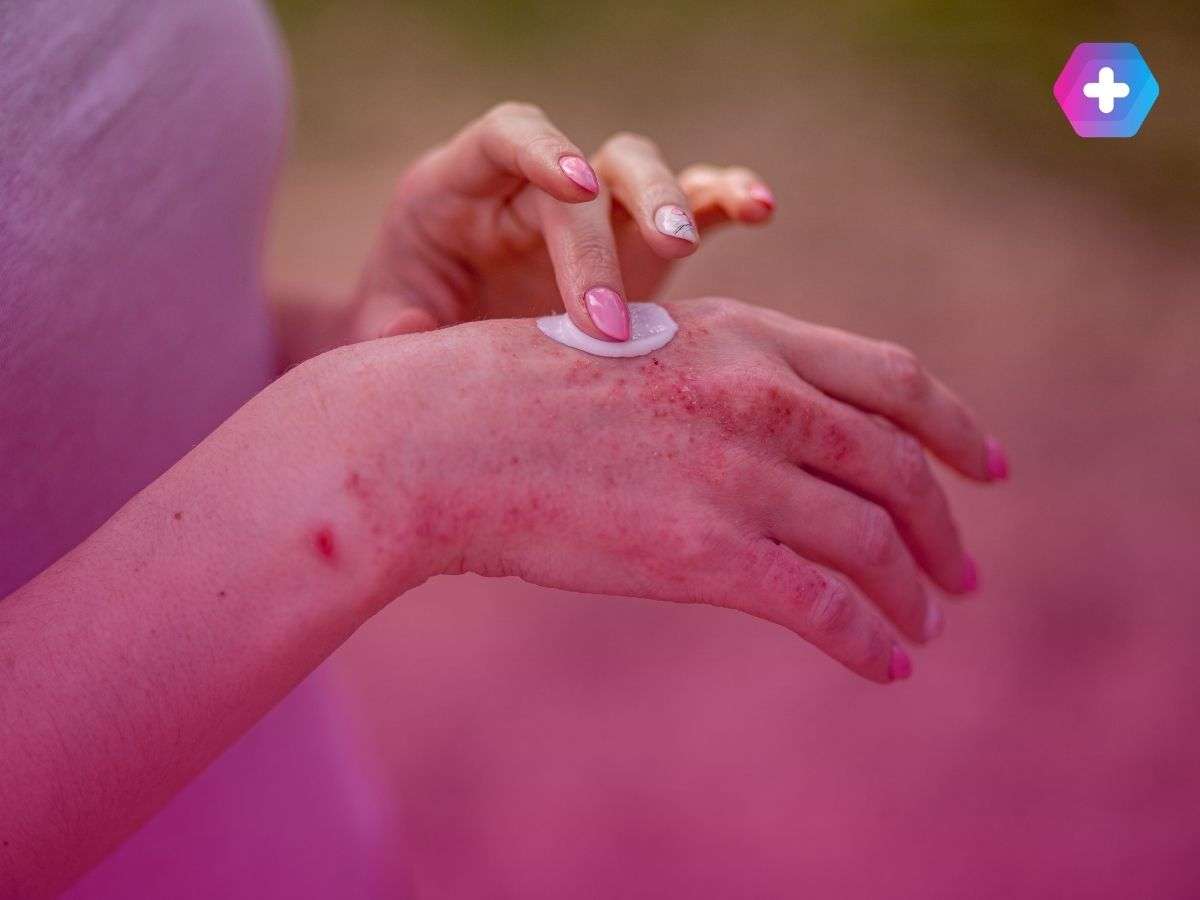
When hand eczema keeps coming back, look at what your hands touch each day. Repeated washing, cleaning products and long spells in gloves can keep sore skin irritated. Moisturiser can help with dryness. If cracks or blisters keep returning, ask whether you need a different cream or a check for an allergy.
Hand eczema treatment usually combines regular moisturising, reducing contact with irritants and a prescribed anti-inflammatory treatment when needed. The right cream depends on the diagnosis, the part of the hand affected and how severe it is. Persistent cracks, blisters or a rash that keeps returning deserve a review rather than repeated changes of hand cream.
Hands are difficult to rest. Think through a usual day, from washing up and cooking to the gloves you wear at work. If the cracks improve on days off and return after a shift, tell your clinician what you handled and how often your hands were wet.
Hand eczema is also called hand dermatitis. It can involve irritation from repeated water or cleaning-product contact, allergy to something touching the skin, or an underlying tendency to eczema. More than one cause can contribute. A pattern on the fingers or palms alone does not reliably identify the trigger.
The British Association of Dermatologists hand eczema guide explains that psoriasis and fungal infections can look similar. Tell the clinician about changes to your feet and nails, whether one or both hands are affected and any previous diagnosis. A new or uncertain rash may need examination or a skin sample before treatment is chosen.
Our contact dermatitis and eczema guide explains how these conditions are related. Tell your clinician which treatments and protective measures you have already tried.
Repeated contact with water, detergents and other irritants can keep hand dermatitis active. Reducing that exposure matters alongside treatment. Follow required hygiene and infection-control procedures; ask for safer products or a different way to do a task rather than simply washing less when washing is necessary.
| Task | A useful change to discuss |
|---|---|
| Cleaning or washing up | Tools, suitable protective gloves and less direct contact with cleaning products |
| Frequent handwashing at work | Appropriate gentle cleansers, thorough drying and accessible moisturiser |
| Long periods wearing gloves | Correct fit, dry interiors and safe breaks when the task allows |
| A flare linked to a particular product | Record the product name and ingredients for clinical or occupational-health review |
If work seems involved, speak to your manager or occupational-health team early. Bring the names of products and glove types rather than guessing the responsible chemical. The aim is to identify changes that protect the skin while still doing the job safely. Do not stop using required protective equipment without an agreed alternative.
No glove is suitable for every substance or every job. The Health and Safety Executive glove guidance recommends considering what is handled, the type and duration of contact, fit and the task itself. Household washing-up gloves are not automatically appropriate protection for workplace chemicals.
Keep reusable gloves clean and dry inside and replace them if they tear. Cotton liners can help if your hands get sweaty, provided they are safe for the task. Ask when you can take gloves off safely to dry your hands or change a damp liner. Use the protective gloves your job requires.
If you suspect a glove allergy, tell the clinician the exact make and material. Changing from latex to another material does not rule out every possible glove ingredient allergy. Take advice about an alternative that provides the protection your job requires.
Emollients are moisturising treatments for dry skin. Ask a pharmacist for a preparation that suits your hands and routine. A cream may be easier to use during the day, while a greasier preparation may suit another time. If something repeatedly stings or causes a rash, ask about an alternative instead of assuming it must be tolerated.
The NHS emollient guide advises leaving 20 to 30 minutes between an emollient and another skin treatment, with advice about which to apply first. Fabrics contaminated with these products can catch fire more easily. Keep away from cigarettes and naked flames; washing fabric does not remove all the risk.
A clinician may prescribe a topical corticosteroid to calm inflammation. The skin on the palms is thicker than on some other areas, which can affect the choice of potency. That does not mean every hand rash needs the strongest cream. Severity, infection, previous response and the exact area all matter.
Betnovate contains betamethasone valerate and Elocon contains mometasone. Both are strong prescription steroids. A prescriber may consider a steroid after checking the rash and how it has responded to other treatment. Use the cream you were prescribed only on the patches specified on your label or by your prescriber.
Ask for the amount, frequency, course length and review point in writing. Follow the label and supplied leaflet. Do not extend a course, cover treated skin with an airtight dressing or borrow another person’s prescription. If handwashing makes the application instructions impractical, ask the pharmacist how to fit them around your day.
A stronger medicine cannot remove ongoing contact with an irritant. If treatment helps briefly but the rash returns every working week, that pattern is worth explaining. The next step may involve exposure changes or investigation, rather than another repeat of the same course.
If symptoms keep returning or the cause is unclear, ask your GP whether dermatology assessment is appropriate. Patch testing checks for delayed contact allergies using substances placed on the skin and reviewed over several days. It is different from a home skincare patch test or a general blood allergy screen.
Take the names of creams you tried, how long you used them and whether they helped. Tell the GP if the cracks make it hard to grip tools, wash your hands or sleep. If eczema remains severe or keeps returning despite treatment, a skin specialist may be able to offer other options.
Seek urgent advice from your GP or NHS 111 if symptoms rapidly worsen, the skin starts discharging, pain increases or you feel hot, cold, shivery or generally unwell. Painful spreading blisters also need prompt assessment. Do not treat a possible infection simply by applying more steroid or an old antibiotic cream.
The NHS contact dermatitis symptom guide lists these warning signs. A routine online eczema request is not the right way to wait for help when symptoms are severe or rapidly changing.
Moisturiser helps dry skin, but an inflamed flare may also need prescribed treatment. Repeated exposure to an irritant or an unrecognised allergy can keep symptoms active. Ask for review if your current plan is not controlling it.
Use gloves when the task requires protection. Prolonged sweaty use can be uncomfortable, so discuss appropriate fit, dry liners and safe breaks. The glove must still protect against the substance or hazard involved.
Adults with an established eczema diagnosis can request an assessment. The prescriber decides whether online care is appropriate. A first rash, uncertain diagnosis, suspected infection or persistent severe symptoms may require examination or referral.
If you already have an eczema diagnosis, tell The Care Pharmacy where the skin cracks or blisters and which creams you have tried. Include any link to your work, washing or gloves. The prescriber can review your treatment or advise an examination. Seek urgent advice if the rash is rapidly worsening or looks infected.
Mohammed Ismail Lakhi MPharm
Superintendent Pharmacist at The Care Pharmacy
GPhC Registration Number: 2072815
The Care Pharmacy is led by Superintendent Pharmacist Mohammed Ismail Lakhi MPharm. The pharmacy assesses individual suitability before prescribing or supplying prescription treatment. Your own clinician can explain how general guidance applies to your health, medicines and treatment plan.

Medically reviewed by
Superintendent Pharmacist


Understand why eczema and psoriasis can be confused, what to tell your clinician and why diagnosis matters before choosing a prescription cream.
An itchy foot rash may be eczema, fungal infection or contact dermatitis. Learn what to report and when diagnosis should come before a steroid cream.
Itchy, cracked or flaky skin behind the ears needs careful assessment before choosing prescription eczema treatment.
Compare Betnovate prices for 0.1% cream. Our 30g tubes start at £15.99, plus delivery. Start consultation with The Care Pharmacy.
Compare Elocon prices for 0.1% cream. Our 30g tubes start at £14.48, plus delivery. Start consultation with The Care Pharmacy.
Compare Trimovate prices for 30g cream. Tubes at The Care Pharmacy start at £26.99, plus delivery. Start consultation to check suitability.