

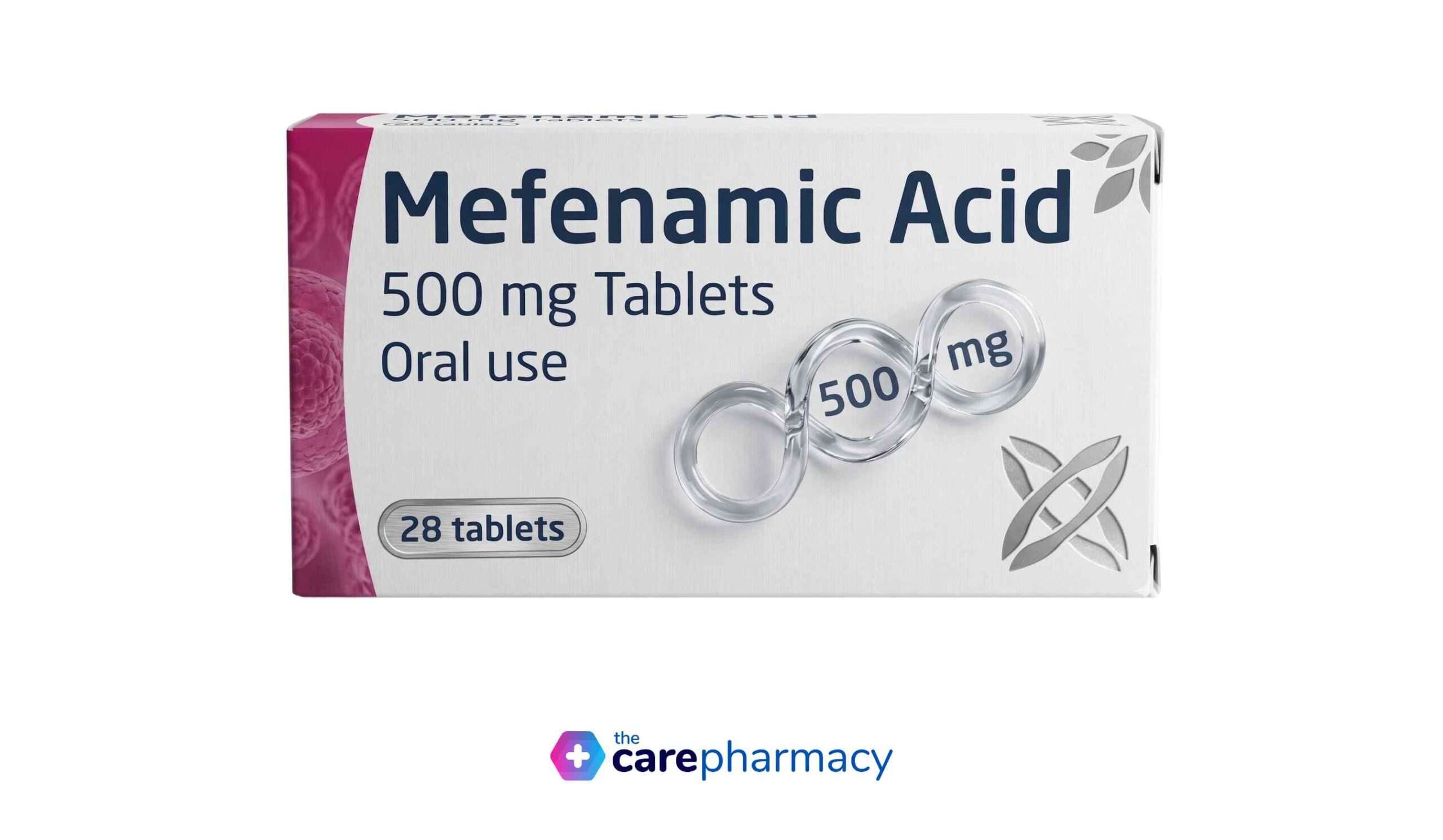
Mefenamic Acid 500mg Tablets

Price range: £28.00 through £49.99

Mefenamic acid 500mg is a prescription anti-inflammatory for period pain. Choose the 28- or 56-tablet pack that matches your prescribed supply. A prescriber will review your symptoms and other medicines before supply.

Earn up to 50 Points.

Start Consultation

icon-1

Type of medicine

Prescription NSAID for pain and inflammation, including period pain.

icon-2

Strength and form

500mg mefenamic acid per tablet. Manufacturer and packaging may vary.

icon-3

Pack sizes

28 tablets or 56 tablets (2 × 28), subject to the prescribed quantity. A pack is not a fixed course or number of cycles.

icon-4

Works by

Reducing prostaglandins involved in pain and inflammation.

icon-5

Side effects

Stomach discomfort, nausea, indigestion and diarrhoea can occur. Stop treatment and contact your doctor if diarrhoea develops.

icon-6

Suitability

Assessment is needed, especially with a history of stomach ulcers, NSAID reactions, or kidney, liver or heart disease. See the warnings below.

Buy mefenamic acid online for period pain

Request mefenamic acid 500mg tablets from The Care Pharmacy through an online consultation. Choose from 28 or 56 tablets, with the quantity and treatment subject to a prescriber’s assessment. Describe your symptoms and any painkillers you have already tried so the prescriber can decide whether this medicine is appropriate.

How it helps with period cramps

Mefenamic acid is a non-steroidal anti-inflammatory drug, often shortened to NSAID. It reduces prostaglandins, substances involved in pain and the contractions that cause period cramps. It is used for symptom relief; persistent or changing pain may need investigation rather than repeated treatment alone.

Choosing 28 or 56 tablets

Both options contain 500mg tablets. The 56-tablet option is two packs of 28. Choose the quantity that matches your prescribed supply. Neither option represents a fixed number of periods: that depends on the dose and how many days you need it each cycle. The pack selector shows the current price before you continue.

What to include in your consultation

Explain when the pain occurs, how it affects your day and whether your bleeding pattern has changed. Include your medicines, allergies and any history of stomach ulcers, asthma or kidney problems. Mention pregnancy, breastfeeding or plans to conceive. This information helps the prescriber decide whether to offer treatment or recommend another assessment.

Check before combining painkillers

Do not add ibuprofen, naproxen or another NSAID unless your prescriber specifically advises it. Combining these medicines increases the risk of side effects. If pain persists, ask a pharmacist what you can take alongside your prescribed treatment rather than increasing the dose yourself.

When period pain needs a different assessment

Arrange a GP appointment if periods become heavier, irregular or more painful, or if you bleed between periods. Severe pain that is worse than usual and has not improved with painkillers needs an urgent GP appointment or NHS 111 advice. A heat pad wrapped in a towel and gentle movement may help alongside suitable treatment.

Requesting treatment

Select your pack and use Start consultation to send your request. Supply depends on clinical approval. Read the Directions and Warnings tabs before taking the tablets, and follow your dispensing label. For ordering questions, contact our pharmacy team.

Further information: NHS advice on period pain. Always read the leaflet supplied with your medicine.

Reviews

There are no reviews yet.

Be the first to review “Mefenamic Acid 500mg Tablets”

Taking mefenamic acid 500mg tablets

Follow the dose and duration on your dispensing label. For period pain, treatment is usually started when the pain begins. Take tablets with or immediately after food and swallow with water. Use only for the period advised by your prescriber.

If you miss a dose, take it when remembered unless the next dose is due; then skip it. Do not take a double dose. Avoid alcohol while taking mefenamic acid because it can increase the risk of stomach bleeding.

If you take more than prescribed, seek medical advice immediately and have the packet available. Read the supplied leaflet for full instructions.

Each tablet contains 500mg of mefenamic acid. Other ingredients vary between manufacturers. Read the leaflet in your supplied pack for the full list, and tell the pharmacist about any allergies or intolerances before taking it.

Do not take mefenamic acid if you have had an allergic reaction to it or a reaction such as wheezing to aspirin or another NSAID. It may be unsuitable if you have stomach ulcers or bleeding, inflammatory bowel disease, or serious kidney, liver or heart disease.

Tell your prescriber about all medicines you take, including blood thinners, aspirin and other painkillers. Do not use during the last three months of pregnancy. Seek advice before use at any earlier stage of pregnancy, while breastfeeding or when trying to conceive.

Stop taking it and seek urgent medical help for vomiting blood, black stools or severe stomach pain. Call 999 for difficulty breathing, swelling of the mouth or throat, or chest pain.

Possible side effects include stomach discomfort, nausea, indigestion and diarrhoea. If diarrhoea develops, stop taking mefenamic acid and contact your doctor. Serious problems can include stomach bleeding and allergic reactions; see the Warnings section.

The leaflet supplied with your tablets lists other possible side effects. Speak to a pharmacist or doctor about symptoms that concern you.

Follow the storage instructions on your supplied pack and leaflet, as these can vary between manufacturers. Keep tablets in their original packaging, out of the sight and reach of children. Do not use after the expiry date; return unwanted medicine to a pharmacy.

Mefenamic acid is prescription-only. You can request it through our online consultation; a prescriber checks suitability before a prescription can be issued and the medicine supplied. Completing the consultation does not guarantee approval.

The strength is the same: 500mg per tablet. The larger option contains two packs of 28. Choose the quantity agreed with your prescriber; a larger pack is not a higher dose.

There is no fixed number. Your dose and the number of treatment days each cycle determine how long a pack lasts. Ask the pharmacist if you are unsure which quantity matches your prescription.

It is usually started when menstrual pain begins. Follow the dose and treatment duration on your prescription, taking it with or immediately after food. Do not continue for longer than advised.

Do not combine them unless a prescriber specifically advises it. They are all NSAIDs, and using them together increases side-effect risks, including stomach bleeding. Ask a pharmacist about other pain-relief options.

Take it when you remember unless your next dose is due. In that case, skip the missed dose. Do not double the next dose to catch up.

Stop taking it and contact your doctor. Diarrhoea is a recognised reason to stop mefenamic acid. Seek urgent help for black stools, vomiting blood or severe stomach pain.

This listing is for relief of period pain, not a period-delay treatment. If you want to postpone a period, ask about a separate assessment rather than using mefenamic acid for that purpose.