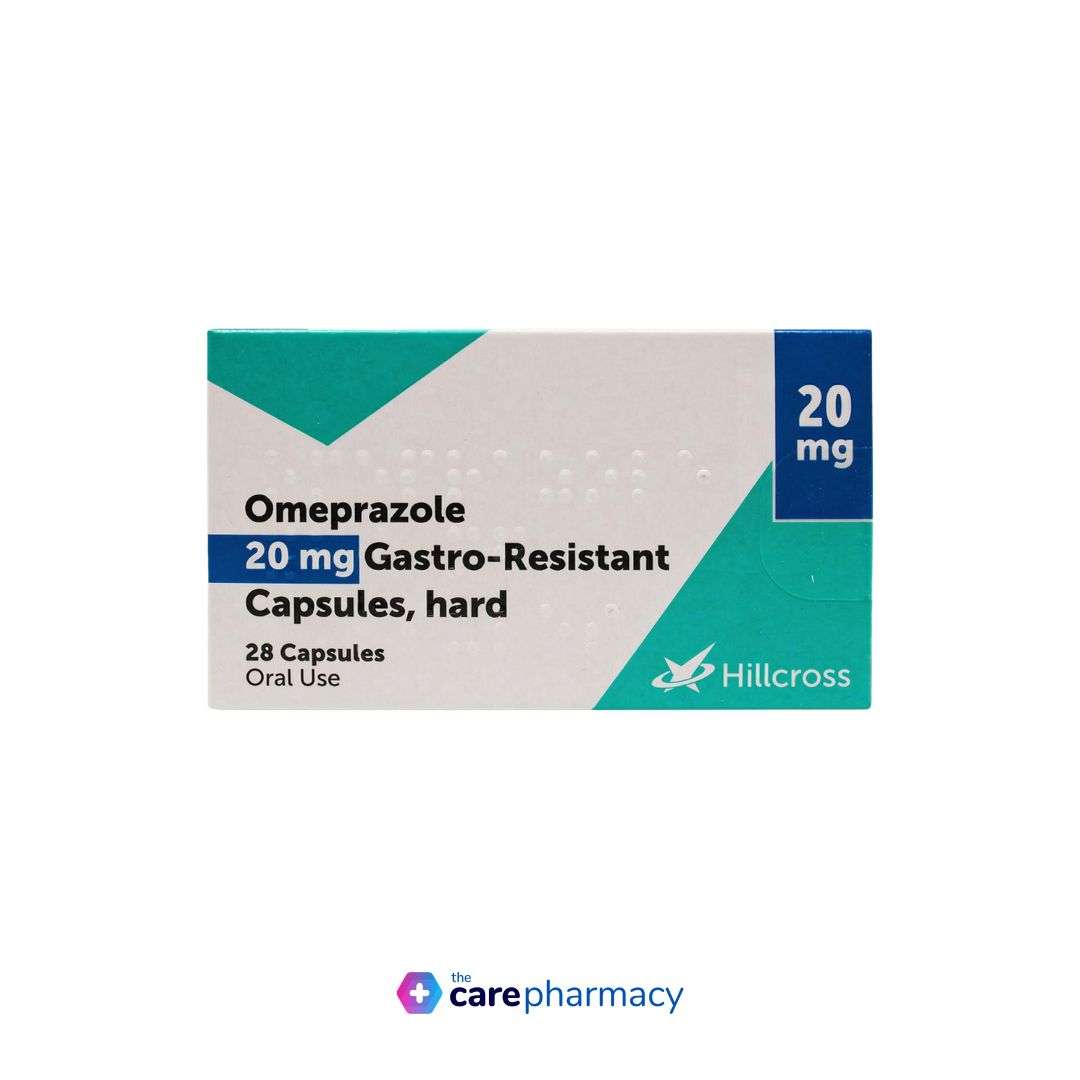
Omeprazole is a medication used to reduce the amount of acid produced in the stomach. It belongs to a group of medicines known as proton pump inhibitors, often referred to as PPIs. These medicines work by blocking the acid-producing pumps in the lining of the stomach, helping to relieve symptoms linked to excess stomach acid.
Omeprazole is commonly used by adults who experience frequent heartburn, acid reflux, or persistent indigestion. It may also be prescribed for certain diagnosed conditions such as gastro-oesophageal reflux disease, stomach ulcers, or inflammation of the oesophagus. Although widely used, it is important to ensure that treatment is appropriate for your symptoms before starting.
Omeprazole is designed to control acid production and allow irritated tissues in the digestive tract to heal. It does not provide instant relief in the same way as antacids, but instead works over several days to reduce acid levels more consistently.
For many people, Omeprazole forms part of a broader plan that includes lifestyle adjustments. Reducing trigger foods, limiting alcohol, maintaining a healthy weight, and avoiding late-night meals can all help improve systems alongside medication.
Omeprazole is usually taken once daily, ideally before food, although it may take a few days to reach its full effect. Courses are often short term, but some individuals require longer treatment under supervision – it should not replace medical investigation for ongoing or unexplained digestive symptoms.
Omeprazole is prescribed to manage conditions linked to excess stomach acid. These may include:
- Frequent heartburn or acid reflux
- Gastro-oesophageal reflux disease
- Stomach or duodenal ulcers
- Inflammation of the oesophagus caused by acid
By lowering acid production, Omeprazole helps relieve discomfort such as burning chest pain, sour taste in the mouth, bloating, and upper abdominal pain. Over time, reduced acid levels can also allow inflamed or damaged tissues in the oesophagus and stomach to recover.
For individuals who experience recurring symptoms, effective acid control can improve sleep quality, daily comfort, and overall quality of life. However, persistent symptoms should always be assessed to rule out underlying conditions that may require further investigation.
Omeprazole works by blocking the proton pumps in the stomach lining that are responsible for producing acid. When these pumps are inhibited, less acid is released into the stomach, and so irritation of the stomach and oesophageal lining is reduced. As a result, healing of acid-related inflammation or ulcers is supported.
Before starting Omeprazole, it is important to discuss your medical history and any current medications with your healthcare provider. Certain conditions or long-term use may require monitoring. In some cases, additional tests may be recommended if symptoms are severe, persistent, or unusual.
Although Omeprazole can be highly effective for managing acid-related symptoms, it should not replace medical advice or investigation when symptoms do not improve. Using it responsibly, alongside balanced nutrition, regular physical activity, and good sleep habits, can support better digestive comfort.
With appropriate guidance and correct use, Omeprazole can form a safe and effective part of managing excess stomach acid and improving day-to-day wellbeing.


Reviews
There are no reviews yet.