How Do Benzoyl Peroxide and Salicylic Acid Work?
To choose the right ingredient, it helps to understand the mechanism behind each one. Acne develops when pores become blocked with sebum (oil) and dead skin cells, creating an environment where bacteria can thrive. Inflammation follows, producing the red, sore spots most people associate with acne. The two ingredients tackle this process at different points.
How benzoyl peroxide works:
Benzoyl peroxide releases oxygen into the pore when it breaks down on the skin. C. acnes is an anaerobic bacterium — it cannot survive in oxygen-rich environments — so benzoyl peroxide effectively kills it directly. It also has a mild keratolytic (skin-shedding) effect that helps to unblock pores. It is available in concentrations ranging from 2.5% to 10%, with higher concentrations being more effective but also more likely to cause dryness and irritation.
Key actions of benzoyl peroxide include:
- Direct antibacterial activity against C. acnes
- Reduction of comedones (blocked pores) through keratolytic action
- Anti-inflammatory effect by reducing bacterial load in the pore
- No documented bacterial resistance — unlike antibiotic treatments, bacteria do not develop resistance to benzoyl peroxide
How salicylic acid works:
Salicylic acid is oil-soluble, which means — unlike many skincare acids — it can penetrate into the sebum-filled pore rather than remaining on the surface. Once inside, it dissolves the intercellular cement that holds dead skin cells together, encouraging them to shed more effectively. This prevents the build-up of debris that leads to blocked pores and comedones.
Key actions of salicylic acid include:
- Exfoliation within the pore — loosening and removing dead skin cells
- Reduction of blackheads and whiteheads (non-inflammatory comedones)
- Mild anti-inflammatory properties
- Regulation of sebum spread across the skin surface
- Generally better tolerated than benzoyl peroxide, particularly on sensitive skin
Benzoyl Peroxide vs Salicylic Acid: Head-to-Head Comparison
Use the table below to see how the two ingredients stack up against each other across the factors that matter most:
Feature
Benzoyl Peroxide
Salicylic Acid
Primary mechanism
Antibacterial — kills C. acnes
Keratolytic — exfoliates inside the pore
Best for
Inflammatory acne — red spots, pustules, papules
Non-inflammatory acne — blackheads, whiteheads, congestion
Suitable skin types
Oily and combination skin; use with caution on sensitive skin
Most skin types including sensitive; avoid broken skin
Concentration range
2.5% – 10%
0.5% – 2% (OTC); higher in professional peels
Speed of results
Visible improvement within 4–8 weeks
Visible improvement within 4–8 weeks
Common side effects
Dryness, redness, peeling, bleaching of fabrics
Mild dryness, tingling, initial purging phase possible
Antibiotic resistance risk
None — bacteria do not develop resistance
Not applicable
Can be combined?
Yes — but not in the same application; use at different times
Yes — generally well tolerated alongside most actives
Availability
OTC and prescription (higher strength combinations)
Widely available OTC in cleansers, toners, and treatments
Which Ingredient Is Best for Your Acne Type?
Not all acne is the same, and the single most important factor when choosing between benzoyl peroxide and salicylic acid is the type of acne you are trying to treat.
Choose benzoyl peroxide if you have:
- Predominantly inflammatory acne — red, raised papules and pus-filled pustules
- Moderate acne that has not responded well to salicylic acid alone
- Oily skin that can tolerate a more aggressive active ingredient
- Acne on the back or chest, where skin is generally less sensitive than the face
- A need to avoid antibiotic resistance — benzoyl peroxide is frequently used alongside or instead of topical antibiotics for this reason
Choose salicylic acid if you have:
- Predominantly non-inflammatory acne — blackheads, whiteheads, and clogged pores
- Sensitive or dry skin that cannot tolerate the drying effects of benzoyl peroxide
- Mild acne or skin that is prone to congestion rather than active spots
- A skincare routine that includes other potentially drying actives such as retinoids
- Acne that is concentrated in the T-zone — salicylic acid is particularly effective here due to its ability to penetrate sebum-filled pores
Consider both if you have:
- Mixed acne — a combination of comedones and inflammatory spots
- In this case, a targeted approach often works well: salicylic acid in your daily cleanser or toner, and benzoyl peroxide as a spot treatment on active inflammatory lesions
If your acne is severe, widespread, or has not responded to either ingredient after 8–12 weeks of consistent use, over-the-counter treatments are unlikely to be sufficient. A prescription-strength treatment is likely to deliver meaningfully better results. Complete our online consultation to find out which prescription options may be appropriate for you.
Salicylic Acid for Acne: What You Need to Know
Salicylic acid for acne has been a mainstay of dermatological skincare for decades, and its continued popularity is well justified by the clinical evidence. As a beta-hydroxy acid, it occupies a unique position in acne management: it is effective enough to produce real results, yet gentle enough for most skin types to tolerate on a daily basis.
One of the most common questions about salicylic acid is whether it causes an initial “purging” phase — a temporary worsening of breakouts when first introduced. The answer is that some patients do experience a purging phase, typically lasting two to four weeks, as accelerated cell turnover brings existing congestion to the surface more quickly. This is normal and should not be mistaken for an adverse reaction.
Practical considerations for using salicylic acid:
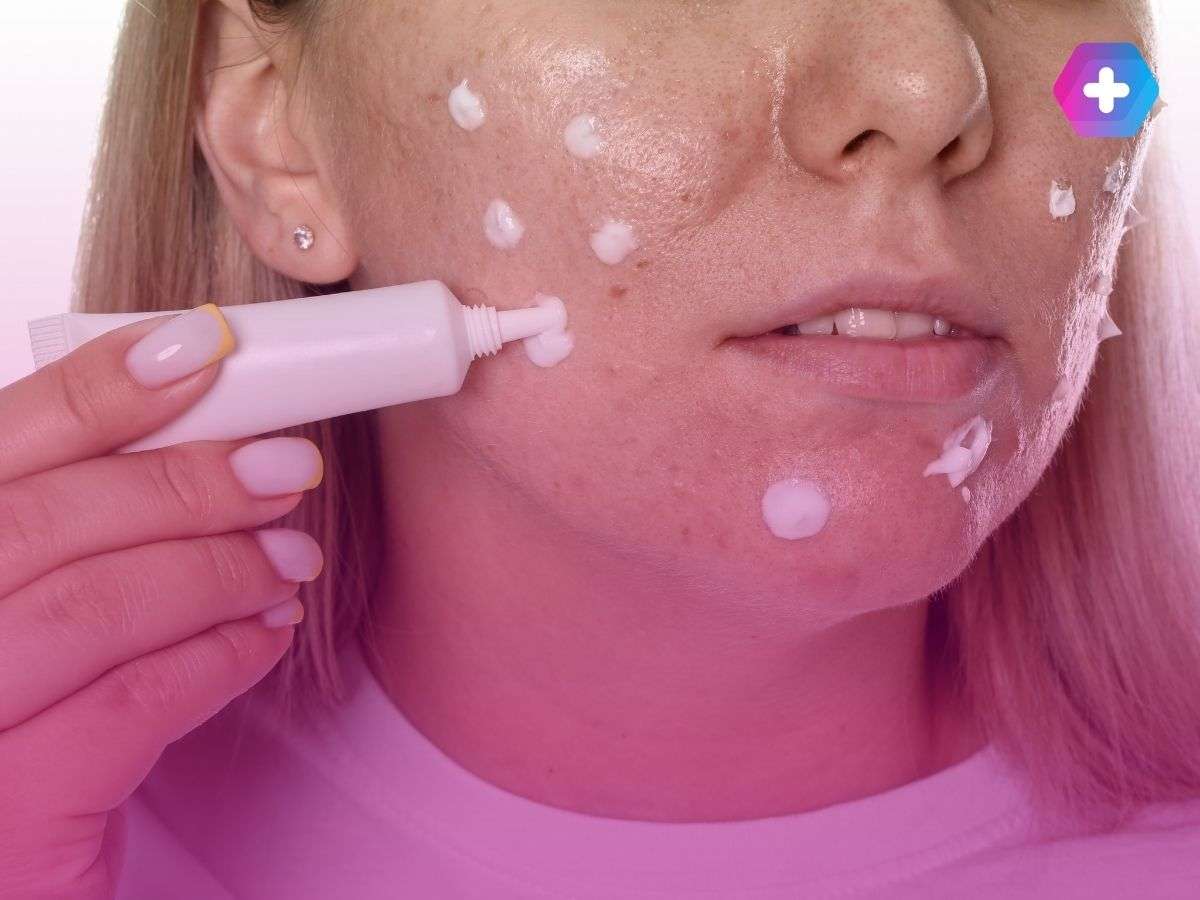
- Formulation matters: Salicylic acid is most effective as a leave-on treatment (such as a toner, serum, or gel) rather than a rinse-off product like a cleanser, where contact time is too short for significant penetration.
- Concentration: Most OTC products in the UK contain 0.5–2% salicylic acid. Start at the lower end if you have sensitive skin, and increase gradually.
- Sun sensitivity: Salicylic acid increases photosensitivity slightly. Daily SPF use is strongly recommended when incorporating it into your routine.
- Avoid on broken or irritated skin: Applying to actively broken skin can cause stinging and increased irritation.
- Pregnancy: High-strength salicylic acid (as used in professional peels) is not recommended during pregnancy. Low-concentration OTC products are generally considered safe, but always consult a healthcare professional first.
For patients whose acne has a significant comedonal component — particularly those with enlarged pores, frequent blackheads, and a tendency towards congestion — salicylic acid is often the most clinically appropriate first-line OTC ingredient to try.
Best Acne Treatment Ingredients: Beyond the Basics
When considering the best acne treatment ingredients, benzoyl peroxide and salicylic acid are undoubtedly the most evidence-backed OTC options — but they are not the only ones worth knowing about. A clearer picture of the full ingredient landscape means better decisions, and a better understanding of when prescription treatment becomes the right next step.
Niacinamide (Vitamin B3)
Niacinamide is a versatile anti-inflammatory ingredient that reduces sebum production, minimises the appearance of pores, and helps to fade post-acne hyperpigmentation (dark marks left after spots heal). It is well tolerated by sensitive skin and works particularly well alongside both benzoyl peroxide and salicylic acid as a complementary ingredient rather than a primary treatment.
Retinoids (Vitamin A derivatives)
Retinoids — including retinol (OTC) and tretinoin (prescription) — are widely considered the gold standard in acne treatment for patients with moderate-to-severe or persistent acne. They work by accelerating cell turnover, preventing the formation of comedones, and reducing inflammation. Prescription-strength tretinoin is significantly more potent than OTC retinol and is available through our prescribing team following a clinical consultation.
Topical antibiotics
Topical antibiotics such as clindamycin reduce bacterial load on the skin and are frequently prescribed for inflammatory acne. Crucially, they are almost always prescribed in combination with benzoyl peroxide to minimise the risk of antibiotic resistance — this is a key reason why combination prescription products are preferred over antibiotic monotherapy.
Azelaic acid
Azelaic acid is a naturally occurring acid with antibacterial, keratolytic, and skin-brightening properties. It is particularly useful for patients with acne-prone skin who also experience rosacea or significant post-inflammatory hyperpigmentation. Available in both OTC and prescription concentrations, it is an underutilised ingredient that deserves more attention.
If you have been relying solely on OTC products without achieving the results you want, get in touch with our team to discuss whether a prescription-strength ingredient could make a meaningful difference.
When Over-the-Counter Is Not Enough: Prescription Options
For a significant proportion of acne sufferers, OTC ingredients including benzoyl peroxide and salicylic acid provide insufficient improvement — particularly for moderate-to-severe acne, nodular or cystic acne, or acne that has persisted for more than three months without meaningful progress. In these cases, prescription treatment is not simply an upgrade; it is clinically the appropriate step.
Our prescribing team offers access to a range of evidence-based prescription acne treatments, including the following:
Epiduo (adapalene 0.1% + benzoyl peroxide 2.5%)
Epiduo is a fixed-dose combination gel containing adapalene (a third-generation retinoid) and benzoyl peroxide. It targets two of the core mechanisms of acne simultaneously: adapalene prevents comedone formation and reduces inflammation, while benzoyl peroxide kills C. acnes and prevents antibiotic resistance. Clinical trials demonstrate that the combination is more effective than either ingredient used alone. It is applied once daily in the evening to affected areas, and results are typically visible within 4–8 weeks of consistent use.
Epiduo is particularly well suited to patients with mixed acne — both comedonal and inflammatory — who have not responded adequately to OTC products.
Duac (clindamycin 1% + benzoyl peroxide 5%)
Duac is a once-daily combination gel that pairs the antibiotic clindamycin with benzoyl peroxide. The inclusion of benzoyl peroxide alongside the antibiotic is clinically important: it significantly reduces the risk of C. acnes developing resistance to clindamycin, which is a recognised concern with antibiotic monotherapy. Duac is most effective for inflammatory acne characterised by papules and pustules and is typically well tolerated, though some dryness and peeling is possible during the initial weeks of use.
Lymecycline (oral antibiotic)
Lymecycline is an oral tetracycline antibiotic prescribed for moderate-to-severe inflammatory acne, or for patients whose acne is too widespread or severe for topical treatment alone to manage effectively. It is typically prescribed for a course of 8–12 weeks, often alongside a topical treatment such as Epiduo or a topical retinoid to maximise results and reduce the risk of resistance. Lymecycline is generally well tolerated, though patients should take it with a full glass of water and avoid taking it immediately before lying down.
All three of these treatments are available following a confidential online consultation with our prescribing team.
Hints and Tips for Getting the Most from Your Acne Treatment
Whether you are using OTC ingredients or prescription treatments, the following habits will significantly improve your results and reduce the risk of irritation:
- Introduce one new active at a time. Adding multiple new products simultaneously makes it impossible to identify what is working — or what is causing a reaction. Introduce each ingredient separately and allow two to four weeks before evaluating its effect.
- Start with a low concentration and build up. Both benzoyl peroxide and salicylic acid are available in multiple strengths. Beginning at the lower end reduces the risk of irritation and allows your skin to acclimatise before you increase potency.
- Be consistent — results take time. Most acne treatments require a minimum of eight weeks of consistent daily use before meaningful improvement is visible. Stopping and starting is one of the most common reasons patients feel treatments are not working.
- Always use SPF during the day. Both benzoyl peroxide and salicylic acid increase photosensitivity. A lightweight, non-comedogenic SPF 30 or higher used every morning protects your skin and prevents post-inflammatory hyperpigmentation from darkening further.
- Do not over-cleanse. Washing your face more than twice a day strips the skin’s natural barrier, triggering increased oil production and worsening acne. Twice daily with a gentle, non-comedogenic cleanser is sufficient.
- Moisturise — even if your skin is oily. Dehydrated skin produces more sebum to compensate. A lightweight, oil-free, non-comedogenic moisturiser used daily maintains the skin barrier and reduces the dryness and peeling associated with active ingredients.
- Never apply benzoyl peroxide near hair or fabric. Benzoyl peroxide is a bleaching agent that will permanently lighten hair, towels, pillowcases, and clothing. Use a white pillowcase and white or old towels when using benzoyl peroxide on the face.
- Do not pick or squeeze spots. This sounds obvious, but it bears repeating: picking increases the risk of scarring, spreads bacteria to surrounding pores, and prolongs healing time. It is one of the most damaging things you can do for your skin.
- Consider your diet and lifestyle. High-glycaemic diets and dairy consumption have been associated with acne in some studies, though evidence varies between individuals. Adequate sleep, hydration, and stress management also contribute to better skin outcomes.
- Seek clinical support if your acne is affecting your confidence or wellbeing. Acne is not a minor inconvenience for many patients — it has a well-documented impact on mental health and quality of life. If that resonates with you, do not wait. Complete our online consultation and let our team help.
Frequently Asked Questions
From treatment combinations to timing and side effects, here are the questions our patients ask most often about benzoyl peroxide and salicylic acid:
Can I use benzoyl peroxide and salicylic acid together?
Yes, but they should not be applied to the skin at the same time, as this can cause excessive dryness and irritation. A practical approach is to use salicylic acid in your morning routine and benzoyl peroxide in the evening, or to use salicylic acid as a daily cleanser and benzoyl peroxide as a targeted spot treatment.
How long does benzoyl peroxide take to work on acne?
Most patients begin to see improvement within four to eight weeks of consistent daily use, though some notice a reduction in new spots more quickly than this. Full results — including a significant reduction in overall acne severity — typically take twelve weeks of regular use at an effective concentration.
Is salicylic acid or benzoyl peroxide better for acne scars?
Neither ingredient is primarily a treatment for acne scarring, though both can help indirectly. Salicylic acid promotes cell turnover which can gradually fade post-inflammatory hyperpigmentation (dark marks), while reducing active breakouts prevents new scarring from forming. For established acne scars and significant pigmentation, a retinoid or azelaic acid is generally more effective.
Can I use salicylic acid every day?
Yes — for most people, a low-concentration salicylic acid product (0.5–2%) can be used daily as part of a skincare routine. If you experience dryness, flaking, or irritation, reduce frequency to every other day and ensure you are using a good moisturiser alongside it.
Why does benzoyl peroxide bleach fabric?
Benzoyl peroxide is an oxidising agent, meaning it reacts with pigment molecules in fabrics and hair to break them down and remove colour — the same mechanism that makes it effective at killing bacteria. To protect your belongings, allow benzoyl peroxide to absorb fully before contact with fabric, and use white or old towels and pillowcases.
When should I see a prescriber about my acne?
If your acne has not improved after eight to twelve weeks of consistent OTC treatment, if you have moderate-to-severe inflammatory acne, nodular or cystic spots, or if acne is significantly affecting your confidence or mental wellbeing, a clinical consultation is the appropriate next step. Prescription treatments are substantially more effective than OTC products for moderate and above acne, and access has never been easier through an online pharmacy service.
Take Control of Your Acne Today
Getting the right treatment starts with asking the right question: what type of acne do you actually have, and what does it need to clear? Benzoyl peroxide and salicylic acid are both outstanding acne ingredients — but they work best when matched to the right acne type, skin, and routine. Benzoyl peroxide leads when bacteria-driven inflammation is the primary concern; salicylic acid excels when congestion, blackheads, and comedones are the main issue. The best outcomes are often achieved by combining both ingredients and introducing prescription treatment when over-the-counter options are no longer sufficient.
At The Care Pharmacy, our pharmacist-led prescribing team supports patients across the UK with clinically appropriate acne treatments, from OTC guidance to prescription products including Epiduo, Duac, and Lymecycline. No matter where you are in your acne journey, finding the right approach is possible and our team is here to make that happen.
Reach out to our team today, or complete our online consultation to explore which prescription acne treatments may be right for you.
Epiduo (adapalene + benzoyl peroxide)
A dual-action prescription gel combining a third-generation retinoid with benzoyl peroxide for simultaneous comedonal and inflammatory acne treatment. Clinically proven to outperform either ingredient used alone. Applied once daily in the evening.
Available following an online consultation at The Care Pharmacy — view our prescription acne range.
Duac (clindamycin + benzoyl peroxide)
A once-daily combination gel pairing an antibiotic with benzoyl peroxide to maximise antibacterial efficacy while protecting against antibiotic resistance. Well suited to moderate inflammatory acne with papules and pustules.
Available following an online consultation at The Care Pharmacy.
Lymecycline (oral antibiotic)
An oral tetracycline antibiotic for moderate-to-severe inflammatory acne or cases where topical treatment alone is insufficient. Typically prescribed for 8–12 weeks alongside a topical treatment for optimal results.
Available following an online consultation at The Care Pharmacy.
Start your acne treatment journey today
Begin a free, confidential online consultation with our pharmacist-led team. Prescription treatments including Epiduo, Duac, and Lymecycline available following assessment.
This article was written by Pharmacy Mentor and clinically reviewed by Mohammed Ismail Lakhi, MPharm, MRPharm, Superintendent Pharmacist at The Care Pharmacy. Mohammed is registered with the General Pharmaceutical Council (GPhC registration number 2072815) and leads clinical governance across The Care Pharmacy’s weight management services.
Last reviewed: May 2026
Disclaimer: This article is for general information only and is not a substitute for individual medical advice. Always consult a qualified prescriber before starting any prescription weight loss treatment.