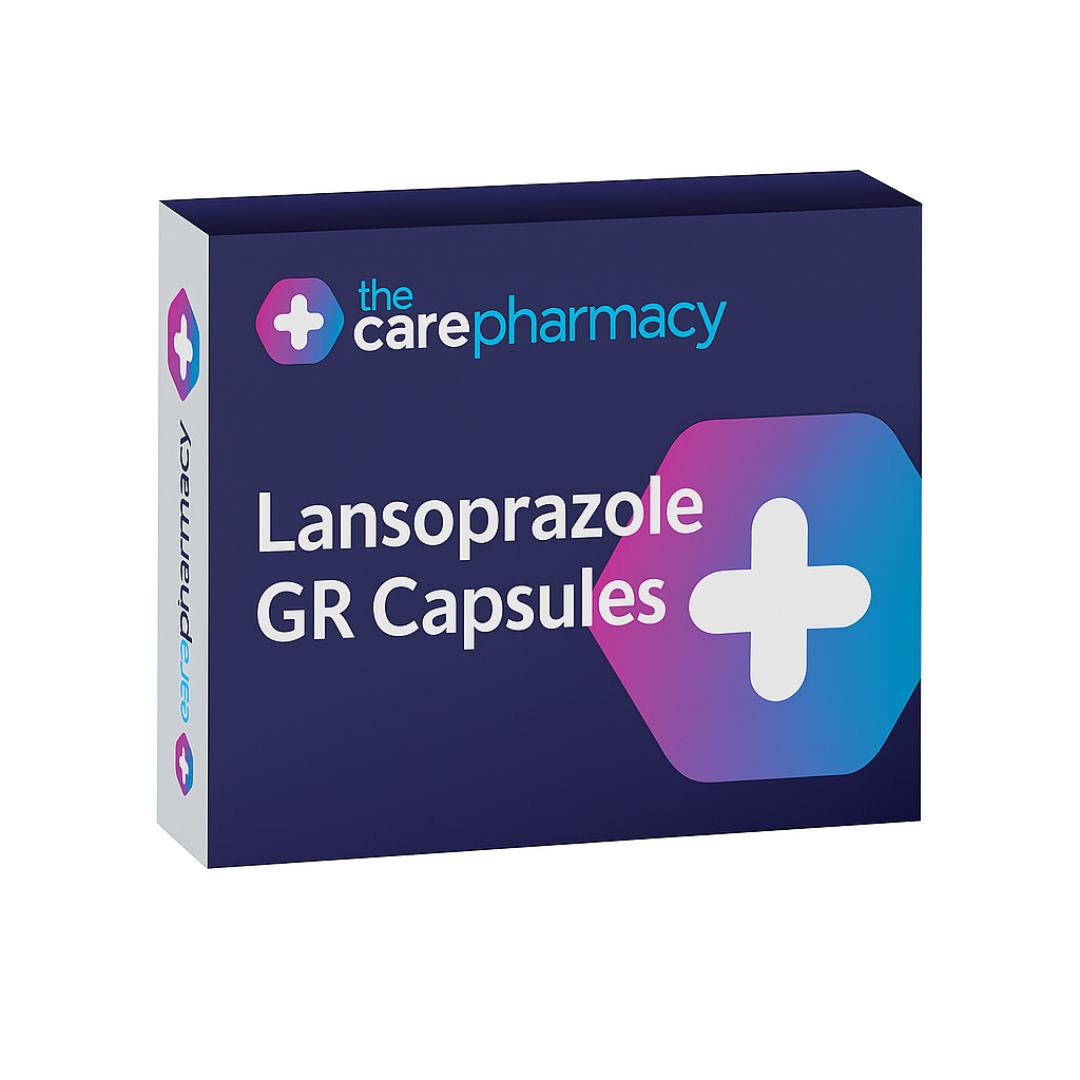
Lansoprazole

Price range: £14.99 through £15.99

Lansoprazole works by lowering the amount of acid your stomach produces, helping to relieve symptoms such as heartburn and indigestion quickly and effectively. It’s a widely used treatment for acid reflux, helping you feel more comfortable and get back to your daily routine with confidence.

For best results, follow the advice of your prescriber when taking this medication. If your symptoms continue or you need further guidance, our healthcare professionals are here to provide personalised support and help you find the right solution.

Request Treatment

icon-1

Type of medicine

Proton pump inhibitor (PPI) that reduces stomach acid.

icon-2

Active Ingredient

Lansoprazole – a proton pump inhibitor.

icon-3

Effective within

Begins to relieve symptoms like heartburn and acid reflux within 1 to 4 days of treatment.

icon-4

Not Suitable For

People with known allergies to lansoprazole or other PPIs; consult a healthcare professional if you have severe liver problems or if symptoms persist.

icon-5

Side effects

Common side effects may include headache, nausea, abdominal pain, constipation, diarrhoea, and dizziness.

icon-6

Works by

Blocking the gastric proton pump (H+/K+-ATPase) to reduce acid production in the stomach.

Lansoprazole is a medication commonly used to reduce stomach acid. It belongs to a group of medicines called proton pump inhibitors. Lansoprazole works by decreasing the amount of acid produced in the stomach. This action can help manage symptoms related to excess stomach acid. This medicine may suit adults experiencing frequent heartburn, acid reflux, or indigestion. It can also be prescribed to support healing of stomach ulcers or inflammation of the oesophagus. Lansoprazole may be recommended by a healthcare professional after assessing your symptoms and medical history.

Lansoprazole fits well into a daily routine, often taken once a day before a meal. It allows many people to carry on with their usual activities while managing their symptoms. However, it does not replace lifestyle changes such as avoiding spicy foods, alcohol, or smoking, which can worsen symptoms. It is important to use Lansoprazole as directed by a prescriber. Do not exceed the recommended dose or duration without medical advice. If symptoms persist or worsen, consult a healthcare professional promptly.

Some individuals may experience side effects, so monitoring your response is essential. In summary, Lansoprazole can provide relief from acid-related discomfort when used responsibly. Always seek guidance from a prescriber to ensure it suits your needs and to discuss any concerns. This approach helps support your overall well-being safely and effectively.

If you are considering treatment, pair it with balanced nutrition, regular activity, and good sleep. A healthcare professional can help you decide if it suits your needs and how to use it safely.

Reviews

There are no reviews yet.

Be the first to review “Lansoprazole”

Your email address will not be published. Required fields are marked *

How should I take Lansoprazole?

Lansoprazole should be taken exactly as directed by your healthcare professional or according to the instructions in the patient information leaflet. It is usually taken once daily, preferably in the morning before food, unless advised otherwise.

Swallow the capsule whole with a glass of water and do not crush or chew it, as this can affect how the medicine works. If needed, some capsules can be opened and the contents mixed with soft food or water, but always check the leaflet first. Take it regularly for best results, and if you miss a dose, take it when you remember unless it is close to your next dose.

What ingredients are in Lansoprazole?

Lansoprazole contains the active ingredient lansoprazole, a proton pump inhibitor (PPI) that reduces the amount of acid produced in the stomach.

In addition to the active ingredient, it may contain inactive components such as sucrose, maize starch, magnesium carbonate, and capsule shell ingredients. These help protect the medicine and ensure effective delivery.

Always check the patient information leaflet supplied with your medication for a full and accurate list of ingredients, especially if you have allergies or sensitivities. If you are unsure, speak to your pharmacist before taking Lansoprazole.

Warnings and precautions

Lansoprazole may not be suitable for everyone. Speak to a healthcare professional before using it if you have liver problems, unexplained weight loss, difficulty swallowing, or persistent stomach pain. These symptoms may require further investigation before starting treatment.

Long-term use of Lansoprazole may be associated with certain risks, including low magnesium levels, vitamin B12 deficiency, or an increased risk of bone fractures. Always use the lowest effective dose for the shortest duration necessary.

If you are taking other medications, including antifungals, blood thinners, or HIV treatments, inform your doctor or pharmacist, as interactions may occur. If you are pregnant or breastfeeding, seek medical advice before use.

What are the side effects of Lansoprazole?

Lansoprazole may cause side effects, although many people use it without significant problems. Common side effects can include headache, diarrhoea, constipation, nausea, or stomach pain. These are usually mild and may improve with continued use.

Less commonly, some people may experience dizziness, dry mouth, or skin rash. Rare but more serious side effects can include severe allergic reactions, liver problems, or persistent gastrointestinal symptoms.

If you experience severe or unusual symptoms, such as swelling of the face or throat, difficulty breathing, or ongoing stomach pain, seek medical advice promptly. Always use Lansoprazole as directed and consult a healthcare professional if you have concerns.

How do I store Lansoprazole?

Store Lansoprazole at room temperature in a cool, dry place, away from direct heat and sunlight. Keep the medication in its original packaging to protect it from moisture.

Keep out of sight and reach of children and do not use after the expiry date printed on the packaging. If you have any unused medication, speak to your pharmacist about safe disposal.

Lansoprazole starts reducing stomach acid within a few hours, but noticeable relief may take a few days.
Lansoprazole is often prescribed for short-term use, but long-term treatment may be necessary for some conditions. A doctor should monitor extended use.
Take it as soon as you remember. If it’s nearly time for the next dose, skip the missed one. Do not take two doses at once.
Some medications can interact with Lansoprazole, including certain HIV treatments, antifungal drugs, and blood thinners. Speak to a doctor before combining treatments.
There are no strict dietary restrictions, but taking Lansoprazole before meals ensures better absorption. Limiting acidic, spicy, or fatty foods may help manage reflux symptoms.