icon
UK-Prescribing Pharmacists
icon
No GP Appointments Needed
icon
Fast & Discreet Delivery

Treatment Options

Urinary incontinence can stem from various causes, including age, hormonal changes, pregnancy, childbirth, and certain medical conditions. Lifestyle factors, such as obesity and smoking, may also contribute to this condition. Understanding the underlying cause is crucial for effective management.

Treatment for urinary incontinence can be beneficial when it targets the specific cause and type of incontinence. Options may include pelvic floor exercises, bladder training, or medications. Consulting a healthcare professional can help determine the most suitable approach for individual needs.

icon-image-1
Online Consultation

Begin by filling out a simple online questionnaire regarding your symptoms and medical history. This helps our team understand your needs and determine the best course of action.

icon-image-2
Review by a Prescriber

Your responses will be reviewed by a qualified prescriber who will assess your situation and provide tailored advice. This ensures you receive the most appropriate recommendations for your condition.

icon-image-3
Receive Treatment

Following the consultation, you will receive guidance on managing your symptoms. If necessary, the prescriber may suggest treatment options to discuss further during a follow-up consultation.

Lifestyle changes such as maintaining a healthy weight, practising pelvic floor exercises, and avoiding bladder irritants like caffeine and alcohol may help manage urinary incontinence. Staying hydrated is also important. For tailored advice, consider consulting a healthcare professional who can provide personalised recommendations.

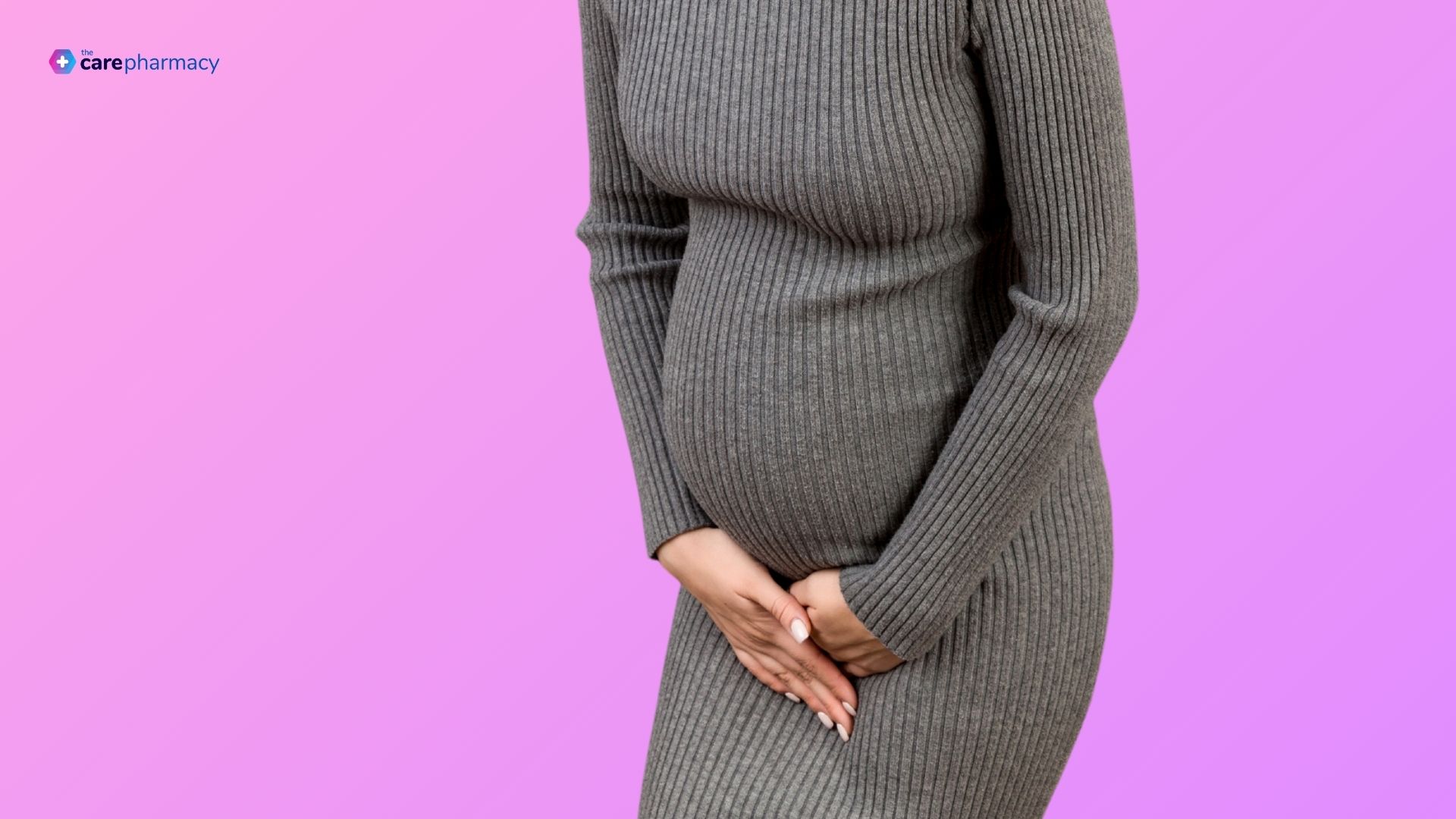
Urinary incontinence is the involuntary leakage of urine, which can affect individuals of all ages. It may occur due to various reasons, including weakened pelvic muscles or certain medical conditions. If you experience symptoms, it’s advisable to consult a healthcare professional for a proper assessment and guidance.

The main types of urinary incontinence include stress incontinence, urge incontinence, overflow incontinence, and functional incontinence. Each type has different causes and triggers. Understanding your symptoms is essential, and seeking advice from a healthcare professional can help determine the best approach to manage your condition.

There are various treatments for urinary incontinence, including pelvic floor exercises, bladder training, and medications. In some cases, medical devices or surgical options may be considered. It’s essential to discuss your symptoms with a healthcare professional to explore the most suitable treatment options for your situation.

You should consider consulting a healthcare professional if you experience persistent or worsening symptoms of urinary incontinence, or if it affects your daily activities and quality of life. They can provide guidance, assess your condition, and recommend appropriate treatment options tailored to your needs.

Hay Fever and Eczema: Why Allergies Make Your Skin Worse

Pollen season is difficult enough with hay fever alone.  When you have eczema too, it brings an extra layer of misery that most people around you simply do not understand. This is not a coincidence. Both conditions share the same underlying immune pathway: an overactive IgE-mediated hypersensitivity response that causes the immune system to react […]

Read More

Why Adult Acne Happens and How to Actually Treat It

Acne does not stop at twenty.  If you are still breaking out in your thirties, forties or beyond, this is not unusual, and it is not something to be embarrassed about. Adult acne is one of the most common skin concerns seen by prescribers in the UK, affecting an estimated 54% of women and 40% […]

Read More

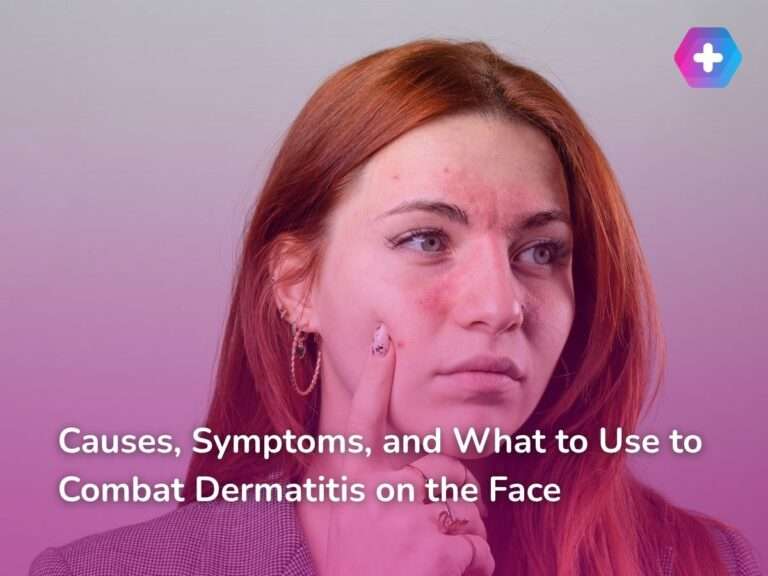
Causes, Symptoms, and What to Use to Combat Dermatitis on the Face

Dermatitis on the face is one of the most distressing skin conditions to manage — not only because the symptoms are visible and difficult to conceal, but because the face is uniquely sensitive, making treatment choices more complex than for other areas of the body. Facial dermatitis is not a single condition: it is an […]

Read More
icon
UK-Prescribing Pharmacists
icon
No GP Appointments Needed
icon
Fast & Discreet Delivery