Eczema Behind the Ears: Causes and Treatment Assessment
Itchy, cracked or flaky skin behind the ears needs careful assessment before choosing prescription eczema treatment.
Hydrocortisone cream 1.0% is a mild topical corticosteroid that is widely used to treat a range of inflammatory and itchy skin conditions, and it is one of the most commonly reached-for treatments in both home medicine cabinets and clinical practice across the UK. It contains hydrocortisone — a synthetic version of the naturally occurring stress hormone cortisol — at a 1% concentration, which provides meaningful anti-inflammatory relief whilst carrying a low risk of side effects when used correctly. Available over the counter for adults and children over ten, it is appropriate for short-term use on mild eczema, contact dermatitis, insect bites, and other inflammatory skin reactions that benefit from topical steroid treatment. Knowing when and how to use it correctly — and equally importantly, when it is not the right choice — is what separates safe and effective use from the unnecessary side effects that come with misuse. At The Care Pharmacy, our team is here to help you understand exactly how to get the most from hydrocortisone cream 1.0% and when a stronger prescription treatment may be more appropriate.
If hydrocortisone has not been delivering the results you need, our prescribing team can help. Get in touch or complete our online consultation to find out whether a prescription treatment is right for you.
Quick Answer
Hydrocortisone cream 1.0% is a mild over-the-counter topical corticosteroid used to relieve the redness, itch, and inflammation associated with mild eczema, contact dermatitis, insect bites, and other minor inflammatory skin reactions. It works by suppressing the local immune response in the skin, reducing the production of inflammatory mediators that cause redness, swelling, and itch. It should be applied thinly to affected areas once or twice daily for a maximum of seven days on the face and a maximum of one month on the body, unless otherwise directed by a clinician. It is not suitable for use on infected skin, broken skin, the eyelids, or skin affected by acne, rosacea, or perioral dermatitis. For skin conditions that are not improving after seven days of use, or for more severe or widespread presentations, a clinical consultation is the appropriate next step.
Hydrocortisone is a corticosteroid — a class of steroid hormones that modulate immune responses throughout the body. When applied topically to the skin, hydrocortisone at 1% concentration acts locally at the site of application, suppressing the inflammatory cascade that produces the characteristic symptoms of inflammatory skin conditions without significant systemic absorption at this low concentration.
Hydrocortisone cream 1.0% produces its anti-inflammatory effect through several complementary pathways:
At 1% concentration, hydrocortisone is classified as a mild topical corticosteroid — the lowest potency category in the UK classification system. This means it provides a meaningful reduction in inflammation whilst carrying a significantly lower risk of the side effects associated with more potent topical steroids, making it the safest option for self-treatment of minor skin conditions and for use on sensitive areas such as the face.
Hydrocortisone 1.0% is available as both a cream and an ointment. The cream formulation is water-based and more suitable for moist or weeping skin, daytime use, and areas where a lighter texture is preferred. The ointment formulation is greasier and more occlusive, providing better moisture retention and slightly enhanced penetration — making it more appropriate for dry, thickened, or scaly skin and for use at night. The active ingredient and potency are identical in both formulations.
Hydrocortisone cream 1.0% is licensed for use on a range of mild inflammatory skin conditions in adults and children over the age of ten. The most common applications include:
Mild eczema flares characterised by dry, red, and persistently itchy skin respond well to hydrocortisone 1.0%, which reduces inflammation and relieves symptoms more quickly than emollient use by itself. It should always be used alongside regular emollient application, not as a replacement for it.
Both allergic and irritant contact dermatitis — where skin has reacted to a substance such as a fragrance, metal, or cleaning product — respond well to hydrocortisone 1.0% when the causative trigger has been identified and removed. It reduces the redness, itch, and swelling associated with the contact reaction, allowing the skin to recover more quickly.
The localised inflammation, itch, and redness caused by insect bites and minor stings respond well to hydrocortisone 1.0%, which reduces the mast cell-mediated histamine response at the site of the bite. It is most effective when applied promptly after a bite, before the inflammatory response is fully established.
Hydrocortisone 1.0% can provide symptomatic relief from the redness and itch associated with mild seborrhoeic dermatitis, though it does not address the underlying Malassezia yeast component of this condition. For seborrhoeic dermatitis that persists or recurs, an antifungal treatment is required in addition to or instead of topical steroids.
Other minor inflammatory skin conditions for which hydrocortisone 1.0% may be appropriate include:
Using hydrocortisone cream 1.0% correctly is essential for both its effectiveness and its safety. The most common reasons patients do not get the results they expect are applying too little, applying too much, or continuing use for longer than clinically appropriate.
Application instructions:
Maximum course lengths:
The fingertip unit guide:
A fingertip unit (FTU) is the amount of cream squeezed from the tip of the adult index finger to the first crease — approximately 0.5g. One FTU is enough to cover an area approximately twice the size of the adult palm. Using FTUs as a guide helps ensure consistent and appropriate application quantities and prevents both under-treating and overusing the product.
Knowing where not to apply hydrocortisone 1.0% is just as important as knowing where it is appropriate. Applying it to contraindicated areas is one of the most common causes of avoidable side effects and treatment failure.
Hydrocortisone cream 1.0% should not be used on:
Before applying hydrocortisone to any area you are uncertain about, our team is here to help. Get in touch with our team first.
Understanding where hydrocortisone 1.0% sits within the broader landscape of topical corticosteroids helps clarify both its appropriate uses and its limitations. Use the table below to see how hydrocortisone 1.0% compares to stronger topical steroids across the four potency classes used in UK clinical practice:
Hydrocortisone 1.0% sits at the base of this scale. Its mild potency makes it the safest choice for self-treatment and for sensitive areas, but it also means it has real limitations. Moderate-to-severe eczema, widespread inflammation, and conditions affecting thickened or lichenified skin are unlikely to respond adequately to hydrocortisone 1.0%, and a prescription-strength treatment will be needed. If you have been using hydrocortisone 1.0% without adequate improvement, complete our online consultation to discuss your options.
Hydrocortisone cream 1.0% is one of the safest topical treatments available, and when used correctly for appropriate durations, serious side effects are uncommon. However, incorrect or prolonged use can lead to clinically significant problems that are entirely avoidable.
Local side effects with incorrect or prolonged use:
Systemic side effects:
At 1% concentration used correctly on limited areas for short courses, systemic absorption of hydrocortisone is very low and systemic side effects are clinically insignificant in most patients. The risk increases with prolonged use, large surface area application, use on broken skin, or application under occlusion.
Signs that your use of hydrocortisone may need reviewing:
Any of the above is reason enough to seek a clinical review. Get in touch with our team and we will help you find a more effective approach.
Hydrocortisone 1.0% is an excellent first-line option for mild, self-limiting inflammatory skin conditions — but it is not appropriate for every patient or every presentation. Knowing when it is time to seek a stronger prescription treatment is an important part of managing your skin effectively.
Consider a clinical consultation if:
Prescription options available through our pharmacy following a clinical consultation include Eumovate (clobetasone butyrate 0.05%) for mild-to-moderate eczema and Betnovate or Elocon for moderate-to-severe presentations on the body. Our prescribing team will assess your suitability and recommend the most appropriate treatment for your skin. Complete our online consultation to get started.
Hydrocortisone cream 1.0% delivers its best results when applied correctly and consistently, and the approach is simpler than many patients expect. Here are ten evidence-informed tips from our pharmacist-led team:
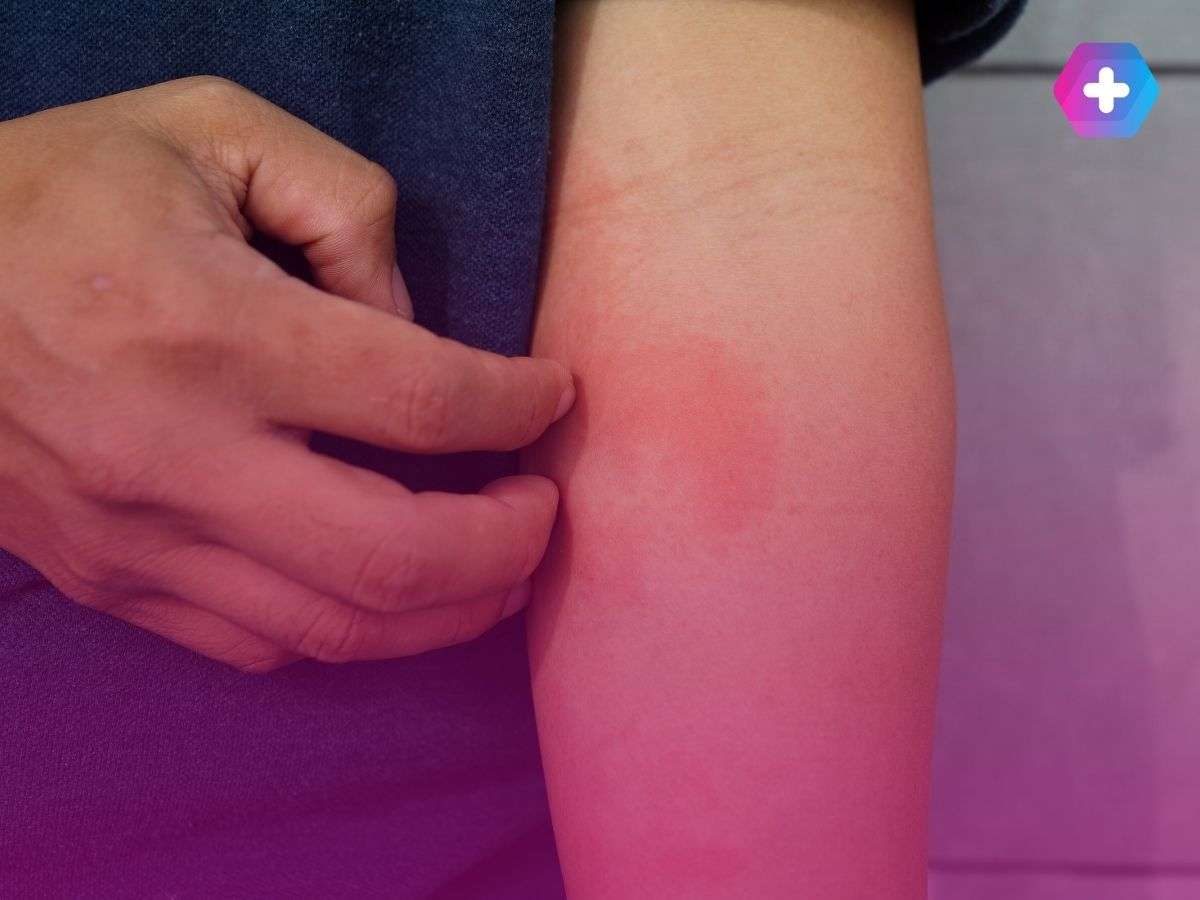
The following questions are the ones our team is asked most frequently by patients who are using or thinking about using hydrocortisone cream 1.0%:
Hydrocortisone 1.0% is not recommended for use on the face without medical advice, as facial skin is significantly thinner and more permeable than body skin, increasing the risk of side effects including skin thinning, telangiectasia, and perioral dermatitis. If you do use it on the face under medical guidance, it should be for a maximum of seven days only and should never be applied to the eyelids, around the eyes, or to skin affected by acne, rosacea, or perioral dermatitis.
Most patients notice a reduction in itch and redness within 24 to 48 hours of starting hydrocortisone 1.0%, with more visible improvement in skin appearance typically seen within three to five days of consistent application. If there is no meaningful improvement after seven days of twice-daily use, the treatment is unlikely to be sufficient for the condition and a clinical review is warranted.
Mild topical corticosteroids such as hydrocortisone 1.0% are generally considered lower risk during pregnancy than stronger steroids, and are sometimes used under medical supervision for short courses on limited areas. However, any use of topical steroids during pregnancy should be discussed with a GP or midwife first, as safety depends on the area being treated, the duration of use, and the stage of pregnancy.
Hydrocortisone 1.0% is available over the counter for use in children aged ten and over for a maximum of one week, but should not be used in children under ten without medical supervision. Children have a higher ratio of skin surface area to body weight than adults, meaning systemic absorption is proportionally higher, which increases the risk of adrenal suppression with prolonged or widespread use.
Yes — hydrocortisone 1.0% is appropriate for mild eczema flares on the body and can be used on the face for a maximum of seven days under the OTC product guidance, though medical advice is recommended before facial use. For moderate-to-severe eczema, or for eczema that does not respond to hydrocortisone 1.0% within the recommended course length, a prescription-strength topical steroid is likely to be more appropriate.
Both contain the same active ingredient at the same concentration — the difference is in the base formulation and texture. The cream is water-based, lighter, and better suited to moist or acutely inflamed skin and daytime use, while the ointment is greasier and more occlusive, providing better moisture retention and slightly enhanced penetration — making it more appropriate for dry, thickened, or scaly skin and overnight use.
When used correctly and for the right indications, hydrocortisone cream 1.0% is one of the most effective and accessible over-the-counter options available for relieving the itch, redness, and discomfort associated with mild eczema, contact dermatitis, and other minor inflammatory skin conditions.
Using hydrocortisone correctly means applying a thin layer to appropriate areas for the recommended duration, maintaining a consistent emollient routine alongside it, and knowing when to seek a prescription strength treatment instead. It is a first-line tool, not an all-purpose solution — and recognising that distinction is what allows you to manage your skin both safely and effectively.
At The Care Pharmacy, our pharmacist-led prescribing team is here to help you find the right treatment for your skin, whether that is guidance on getting the most from hydrocortisone 1.0% or accessing a prescription-strength alternative when you need it. Getting the right treatment should not require a lengthy wait or an unnecessary appointment — our confidential online consultation is designed to make that as straightforward as possible.
Reach out to our team today, or complete our online consultation to find out which eczema and dermatitis treatments are right for you.
This article was written by Pharmacy Mentor and clinically reviewed by Mohammed Ismail Lakhi, MPharm, MRPharm, Superintendent Pharmacist at The Care Pharmacy. Mohammed is registered with the General Pharmaceutical Council (GPhC registration number 2072815) and leads clinical governance across The Care Pharmacy’s weight management services.
Last reviewed: June 2026
Disclaimer: This article is for general information only and is not a substitute for individual medical advice. Always consult a qualified prescriber before starting any prescription weight loss treatment.

Medically reviewed by
Superintendent Pharmacist


Itchy, cracked or flaky skin behind the ears needs careful assessment before choosing prescription eczema treatment.
Compare Betnovate prices for 0.1% cream. Our 30g tubes start at £15.99, plus delivery. Start consultation with The Care Pharmacy.
Compare Elocon prices for 0.1% cream. Our 30g tubes start at £14.48, plus delivery. Start consultation with The Care Pharmacy.
Compare Trimovate prices for 30g cream. Tubes at The Care Pharmacy start at £26.99, plus delivery. Start consultation to check suitability.
Trimovate for intertrigo: understand when this prescription cream may fit a skin-fold rash and start an eczema consultation with The Care Pharmacy.
Worried about infected eczema? Learn when to seek urgent care and ask The Care Pharmacy about suitable treatment.