Quick Answer
Eczema flare-ups are caused by a combination of internal and external triggers that disrupt the skin barrier and activate an inflammatory immune response. The most common external triggers include soaps, detergents, fragrances, synthetic fabrics, extreme temperatures, and environmental allergens such as dust mites and pet dander. Internal triggers include stress, hormonal changes, illness, and — in some patients, particularly children — certain foods such as dairy, eggs, and nuts. Eczema triggers are highly personal, meaning two people with the same diagnosis may have entirely different trigger profiles. Identifying and avoiding your specific triggers, alongside consistent use of an emollient and appropriate prescription treatment when needed, is the most effective approach to long-term eczema management.
What Causes Eczema Flare-Ups?
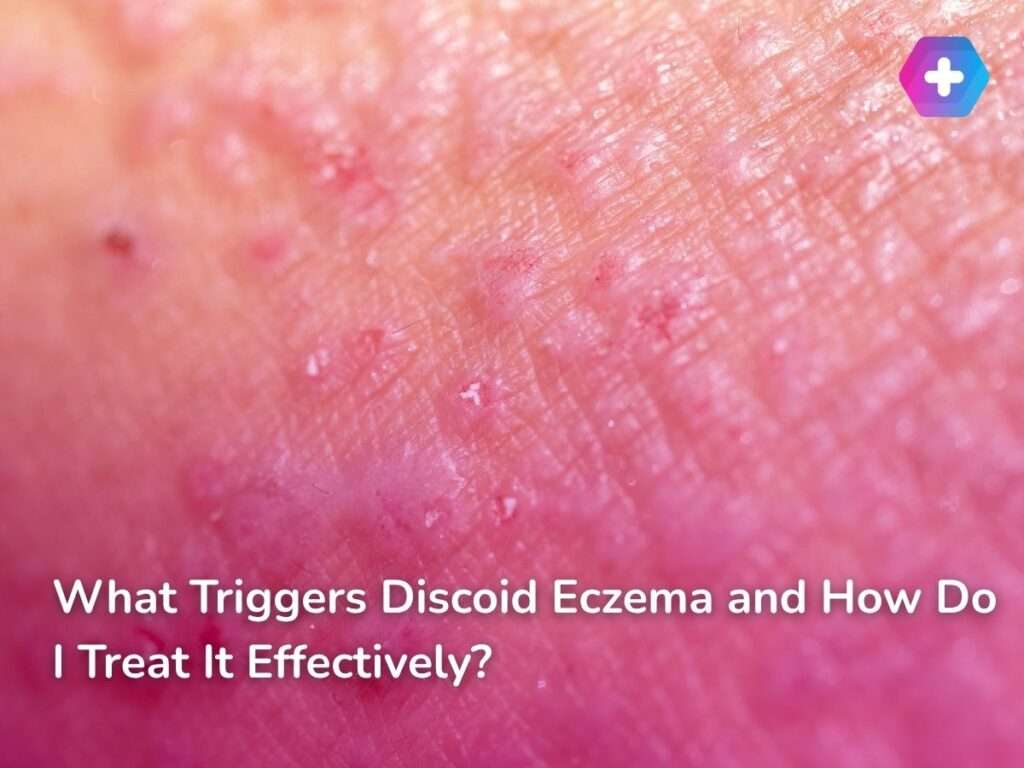
To understand what causes eczema flare-ups, it helps to first understand what is happening in the skin. People with eczema have a structurally compromised skin barrier — often due to mutations in the gene encoding filaggrin, a protein essential for maintaining the skin’s protective outer layer. This means the skin is less able to retain moisture and more permeable to irritants, allergens, and microorganisms.
When a trigger disrupts this already-vulnerable barrier, the immune system responds with an inflammatory cascade. Mast cells, T-lymphocytes, and cytokines (particularly IL-4, IL-13, and IL-31) are activated, producing the characteristic redness, swelling, and — most distressingly — intense itch that defines an eczema flare.
It is important to recognise that triggers do not cause eczema. They provoke it. The underlying predisposition — genetic, immunological, and environmental — is always present. Triggers are simply the switch that turns a manageable baseline into an active flare. This distinction matters because it explains why avoiding triggers reduces flares but does not cure the condition, and why ongoing skin barrier maintenance with emollients remains essential even during periods of apparent remission.
Several categories of trigger are consistently identified in clinical research:
- Irritant triggers: Substances that physically damage or dry out the skin barrier on direct contact
- Allergic triggers: Substances that provoke an immune-mediated reaction in sensitised individuals
- Environmental triggers: Climate, temperature, humidity, and airborne allergens
- Internal triggers: Stress, hormones, illness, and in some cases, diet
- Microbial triggers: Colonisation by Staphylococcus aureus on the skin surface, which is found in higher concentrations on eczema-affected skin and is known to worsen inflammation
The Most Common Eczema Triggers
While trigger profiles vary between individuals, the following are the most widely reported eczema triggers across clinical literature and patient experience. Working through this list systematically is a good starting point when trying to identify what is driving your own flare-ups.
Soaps, detergents, and cleansing products
This is the single most commonly reported eczema trigger in the UK. Standard soaps, shower gels, shampoos, and washing-up liquids typically contain surfactants — cleansing agents that strip the skin’s natural lipid layer and disrupt the pH balance. Even products marketed as “gentle” or “moisturising” can contain fragrances, preservatives, or detergents that irritate sensitised skin. Switching to a soap substitute such as an emollient wash is one of the most impactful changes an eczema patient can make.
Fragrances and preservatives
Fragrances are among the most common contact allergens in patients with eczema. They are found not only in perfumes and body sprays but in most skincare products, cosmetics, laundry detergents, fabric softeners, and even some baby wipes. Preservatives — particularly methylisothiazolinone (MI) and formaldehyde-releasing agents — are also frequently implicated. Choosing fragrance-free, preservative-minimal products is strongly recommended.
Synthetic fabrics and wool
Synthetic fabrics such as polyester and nylon create friction, trap heat, and prevent moisture from evaporating from the skin — all of which can trigger or worsen eczema. Wool, despite being a natural fibre, is also a common irritant due to the coarse texture of the fibres. Loose-fitting, 100% cotton clothing worn next to the skin is generally the best choice for eczema sufferers.
Dust mites
House dust mites are a significant trigger for many eczema patients, particularly those who also have asthma or allergic rhinitis. Dust mites thrive in bedding, mattresses, carpets, and soft furnishings. Regular washing of bedding at 60°C, dust mite-proof mattress and pillow covers, and reducing soft furnishings in the bedroom are practical measures that can reduce exposure significantly.
Pet dander
Proteins found in the skin flakes, saliva, and urine of cats and dogs are potent allergens for many eczema sufferers. Pet dander is airborne and can persist in a home environment for months after a pet has been removed. This does not necessarily mean rehoming a pet — regular vacuuming with a HEPA filter, keeping pets out of bedrooms, and washing hands after contact can reduce the impact considerably.
Temperature extremes and sweating
Both cold, dry air and excessive heat can trigger eczema flares. Cold weather reduces the moisture content of the air and the skin, while hot weather and physical activity cause sweating — and sweat contains salts and irritants that inflame eczema-affected skin. Overheating in bed is a particularly common but underappreciated trigger, especially in children.
Stress
Psychological stress is one of the most consistently reported triggers for adult eczema flares, yet it is often overlooked in treatment planning. Stress activates the hypothalamic-pituitary-adrenal (HPA) axis, increasing cortisol levels and promoting a pro-inflammatory immune state that directly worsens eczema. Many patients report a clear and predictable relationship between periods of high stress and the onset of flares.
Infections and illness
Skin infections — particularly with Staphylococcus aureus — are both a consequence and a cause of worsening eczema. The bacteria produce toxins that act as superantigens, triggering an exaggerated immune response. Viral illnesses can also provoke flares, as the immune system shifts into a heightened state of activity.

Eczema Triggers in Adults: What Is Different?
While many eczema triggers are shared across age groups, eczema triggers in adults often have some important differences worth understanding — particularly for patients whose eczema developed or significantly worsened in adulthood.
Adult-onset eczema or adult-worsening eczema frequently has a stronger occupational component. Adults whose work involves repeated hand washing, chemical exposure, or wearing gloves — including healthcare workers, hairdressers, caterers, and cleaners — are at significantly elevated risk of hand eczema driven by occupational irritant exposure.
Hormonal changes are another important adult-specific trigger. Hormonal milestones including the menstrual cycle, pregnancy, and the perimenopause are commonly reported as eczema triggers among women. Fluctuating oestrogen levels appear to influence skin barrier function and immune sensitivity, making hormonally driven flares a distinct pattern in adult female patients.
Additional triggers more commonly seen or reported in adults include:
- Alcohol consumption: Alcohol is a vasodilator and can increase skin flushing, dehydration, and inflammation — all of which can worsen eczema. Some patients notice a clear link between alcohol intake and flare onset within 24–48 hours.
- Nickel and metal contact: Adult sensitisation to nickel — found in jewellery, belt buckles, watches, and clothing fastenings — is a well-documented trigger for localised eczema flares in contact areas.
- Cosmetics and skincare ingredients: Adult patients often use a wider range of skincare and cosmetic products than children, increasing exposure to potential sensitisers including preservatives, fragrances, and active ingredients such as AHAs and retinoids.
- Medications: Certain medications, including some blood pressure drugs and non-steroidal anti-inflammatory drugs (NSAIDs), have been associated with eczema flares in susceptible individuals.
- Sleep deprivation: Poor sleep increases systemic inflammation and is both a cause and consequence of eczema flares — creating a cycle that can be particularly difficult to break without clinical support.
If your eczema is worsening in adulthood or you are struggling to identify your triggers, get in touch with our team for guidance.
Foods That Trigger Eczema
The relationship between diet and eczema is one of the most misunderstood areas of the condition. Foods that trigger eczema are a genuine concern for some patients — particularly young children — but the role of diet in adult eczema is often overstated, and unnecessary dietary restriction can cause nutritional harm without improving symptoms.
The evidence broadly supports the following:
- Food triggers are more relevant in children than adults. In infants and young children with moderate-to-severe eczema, food allergy — particularly to cow’s milk, eggs, peanuts, wheat, and soy — is identified as a contributing factor in approximately 30–40% of cases. In adults, food-triggered eczema is considerably less common.
- IgE-mediated food allergy and food-triggered eczema are not the same thing. Some patients experience immediate allergic reactions (hives, swelling) to certain foods — this is a separate process from food-triggered eczema flares, which tend to develop more slowly over hours or days.
- An elimination diet should only be undertaken under clinical supervision. Self-directed elimination diets risk nutritional deficiencies — particularly in children — and do not always produce clear results. Referral to an allergy specialist or dietitian is the appropriate route if food allergy is suspected.
The foods most commonly associated with eczema flares include:
- Cow’s milk and dairy products
- Eggs
- Peanuts and tree nuts
- Wheat and gluten-containing grains
- Soy products
- Fish and shellfish
- Citrus fruits — in some patients
- Tomatoes and other nightshades — in some patients
It is worth noting that a positive allergy test to a food does not automatically mean that food is causing your eczema. Clinical correlation — noting whether eczema reliably worsens following consumption of a specific food — is essential before eliminating anything from your diet. If you suspect a food trigger, keep a detailed symptom diary and discuss your findings with a healthcare professional before making significant dietary changes.
Eczema Trigger Quick Reference Guide
Everything you need to know about the most common eczema triggers, their mechanisms, and how to reduce their impact is summarised in the table below:
Trigger Category
Common Examples
How It Affects Eczema
Practical Action
Soaps and cleansers
Shower gels, shampoos, washing-up liquid, bubble bath
Strips natural skin lipids; disrupts pH
Switch to a soap substitute emollient wash
Fragrances and preservatives
Perfumes, scented skincare, fabric softeners
Triggers allergic and irritant contact reactions
Choose fragrance-free products throughout your routine
Fabrics
Polyester, nylon, wool
Creates friction and traps heat and sweat
Wear loose-fitting cotton next to skin
Environmental allergens
Dust mites, pet dander, pollen, mould
Triggers IgE-mediated immune response
Reduce exposure; use HEPA filters; wash bedding at 60°C
Temperature and climate
Cold dry air, excessive heat, sweating
Reduces skin moisture; sweat irritates the barrier
Moisturise frequently; avoid overheating; use a humidifier in winter
Stress
Work pressure, anxiety, poor sleep
Increases cortisol; promotes pro-inflammatory immune state
Prioritise sleep; consider mindfulness or CBT; seek support
Food (primarily in children)
Dairy, eggs, nuts, wheat, soy
May trigger immune-mediated inflammatory response in the skin
Keep a symptom diary; seek allergy testing before eliminating foods
Skin infections
S. aureus colonisation, viral illness
Bacterial toxins act as superantigens; worsen inflammation
Maintain barrier with emollients; seek treatment promptly if infected
How to Identify Your Personal Eczema Triggers
Knowing the most common triggers is only the starting point. Identifying your own specific trigger profile requires a more systematic approach — and the investment of time and attention is well worth it, as personalised trigger avoidance is consistently one of the most effective long-term management strategies.
Keep a symptom diary
A symptom diary is the most practical and accessible tool for trigger identification. Record the following information daily:
- The location and severity of your eczema on a simple scale (clear, mild, moderate, severe)
- Products used on your skin that day — including cleansers, moisturisers, makeup, and laundry products
- Fabrics worn and any new clothing introduced
- Foods eaten, particularly anything new or eaten in larger quantities than usual
- Stress level, sleep quality, and any illness
- Weather conditions and any notable environmental exposures
After four to six weeks of consistent recording, patterns often become apparent. Flares that consistently follow specific exposures — a particular product, a stressful week, or a food — provide a strong basis for making targeted changes.
The elimination and reintroduction method
Once a potential trigger has been identified, the most reliable way to confirm it is to remove it for two to four weeks and monitor your skin. If symptoms improve, cautiously reintroduce the suspected trigger and observe whether a flare follows. This approach works well for product-based triggers such as a specific cleanser, laundry detergent, or fabric softener. If you suspect a food trigger, always work with a healthcare professional rather than attempting an elimination diet on your own.
Patch testing
If allergic contact dermatitis is suspected alongside eczema — particularly if you have unexplained localised flares in areas such as the eyelids, hands, or neck — a formal patch test performed by a dermatologist or allergist is the gold-standard diagnostic tool. Patch testing applies a panel of common allergens to the skin under occlusive patches for 48 hours, with readings taken at 48 and 96 hours to identify delayed hypersensitivity reactions.
Complete our online consultation if you would like clinical guidance on identifying and managing your personal trigger profile.
Managing Eczema: Treatments That Help
Trigger avoidance is essential, but it works best when combined with a consistent treatment regimen that keeps the skin barrier strong between flares and manages inflammation effectively when flares occur. The following treatments are the foundation of effective eczema management.
Emollients
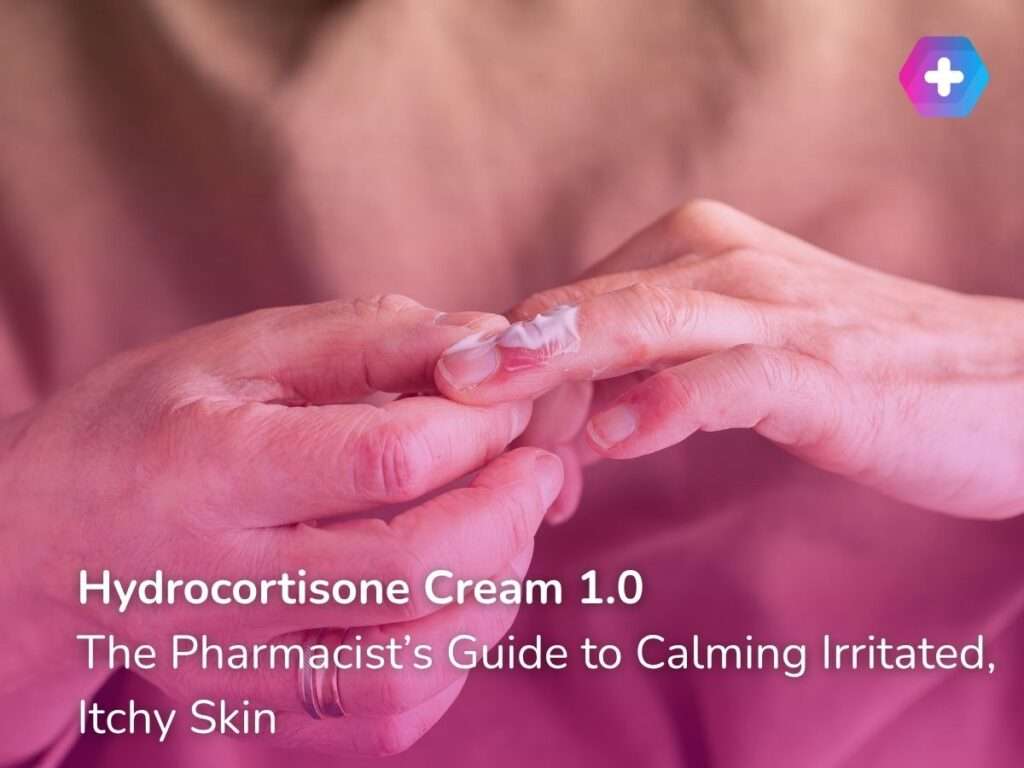
Emollients are the cornerstone of eczema management and should be used every day — regardless of whether skin is currently flaring. They restore moisture to the skin, reinforce the barrier, and reduce the frequency and severity of flares over time. They should be applied liberally and regularly, ideally immediately after bathing.
Topical corticosteroids
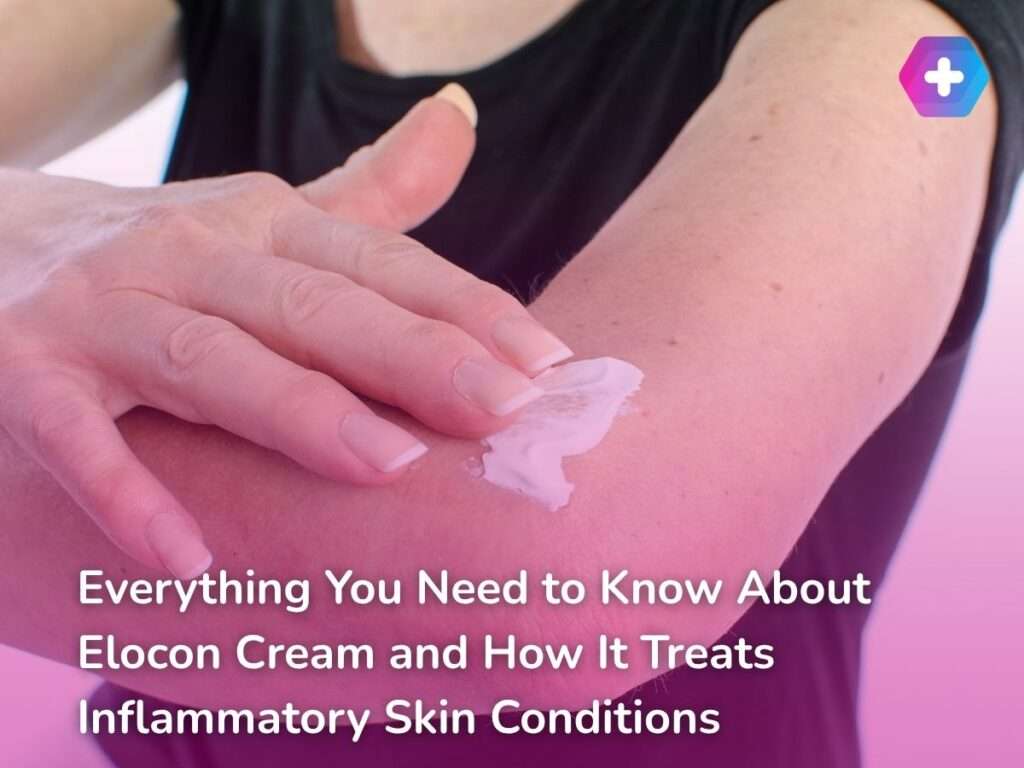
When flares do occur, topical steroids are the most clinically effective first-line treatment for reducing inflammation. They are available in a range of strengths, from mild to very potent, and the correct choice depends on the severity of the flare and the body area affected.
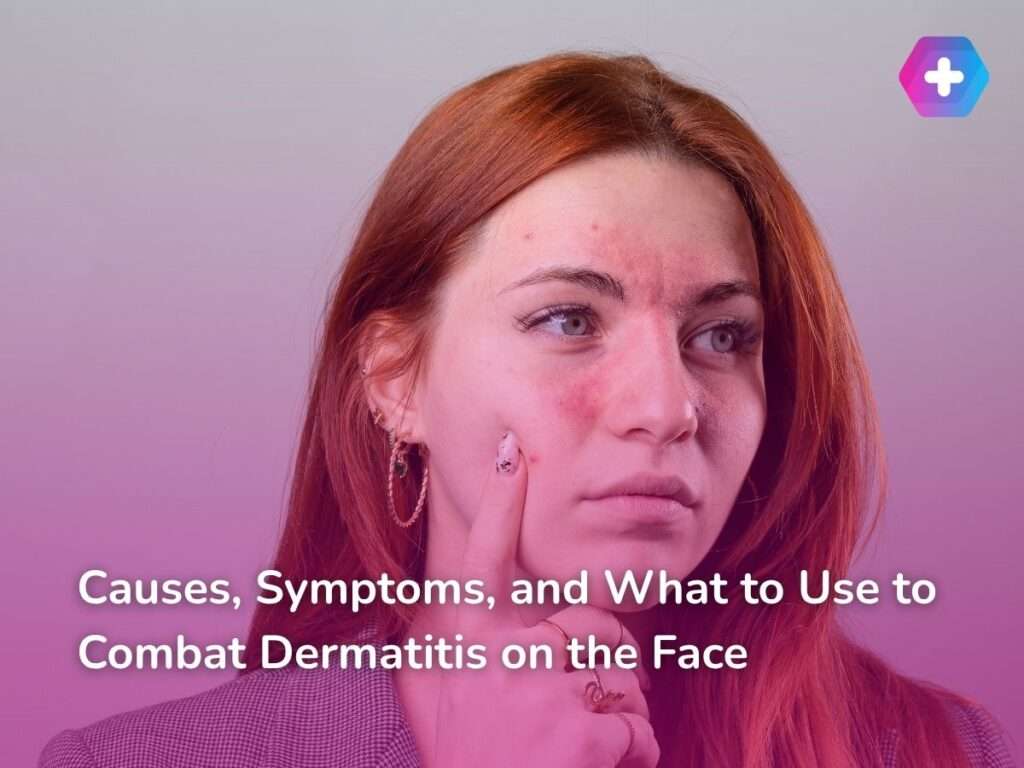
Eumovate Cream (clobetasone butyrate 0.05%) is a mild-to-moderate topical steroid that offers effective anti-inflammatory relief for eczema flares, including on more sensitive areas such as the face. It is a well-tolerated option for patients with mild-to-moderate eczema who need a reliable prescription-strength treatment for flare management.
Betnovate Cream (betamethasone valerate 0.1%) is a potent topical corticosteroid indicated for moderate-to-severe eczema flares affecting the body. It provides rapid reduction in inflammation and itch when used correctly for short treatment courses, and is available following a clinical consultation with our prescribing team.
Antihistamines
Oral antihistamines — particularly sedating options such as chlorphenamine — can provide meaningful relief from itch, especially overnight when itch intensity tends to peak and disrupted sleep worsens the overall flare cycle.
If you are unsure which treatment is right for your current symptoms, our team is here to help. Get in touch or complete our online consultation to discuss your options.
How to Reduce Eczema Flare-Ups
Knowing your triggers is one thing — building the daily habits to manage them is another. Here are ten practical, evidence-informed strategies to reduce flare frequency and severity:
- Apply your emollient immediately after bathing. The two to three minutes after stepping out of a bath or shower — when the skin is still slightly damp — is the optimal window for emollient application. This locks in moisture before the skin has a chance to dry out completely.
- Replace all soap-based products with a soap substitute. This includes your hand wash, shower gel, shampoo, and anything else that comes into contact with your skin during cleansing. Epaderm used as a soap substitute is a simple and highly effective swap.
- Wash new clothing before wearing it. New garments contain manufacturing chemicals, dyes, and sizing agents that can irritate eczema-prone skin. Always wash before first wear using a fragrance-free, non-biological detergent.
- Use non-biological, fragrance-free laundry products. Biological detergents contain enzymes that can irritate sensitive skin. Add an extra rinse cycle where possible to remove all traces of detergent from fabric.
- Keep your nails short and clean. Scratching is inevitable during a flare, but short nails minimise skin damage and reduce the risk of introducing bacteria into broken skin. For children, cotton scratch mitts worn at night can help significantly.
- Manage your sleep environment carefully. Keep the bedroom cool (around 18°C), use dust mite-proof covers on mattresses and pillows, and wash bedding weekly at 60°C. Overheating in bed is one of the most common and overlooked eczema triggers.
- Apply topical steroids proactively at the first sign of a flare. Waiting until a flare is fully established before treating it means a longer, more difficult recovery. Early application of a topical steroid at the first hint of redness or itch can prevent escalation significantly.
- Use the wet wrap technique for severe flares. Wet wrapping — applying a topical treatment followed by damp tubular bandages or damp clothing, then a dry layer on top — can dramatically reduce itch and inflammation during severe episodes. Ask your prescriber or nurse for guidance on correct technique.
- Address stress as a clinical priority, not an afterthought. If stress is a clear trigger for your eczema, managing it is as much a part of your treatment plan as your emollient. Cognitive behavioural therapy (CBT), mindfulness, and physical exercise all have evidence supporting their role in reducing eczema severity through stress reduction.
- Do not stop treatment as soon as your skin clears. Eczema skin remains vulnerable even when it looks clear. Stopping emollient use at the first sign of improvement is one of the most common reasons for rapid relapse. Maintain your routine consistently and use topical steroids as directed — not only until symptoms disappear.
Frequently Asked Questions
We know that eczema sufferers are thorough researchers. Here are the questions our patients ask most often about eczema triggers and flare management:
Can stress alone cause an eczema flare-up?
Yes — stress is one of the most well-documented internal triggers for eczema and can provoke a flare even in the absence of any external irritant or allergen. It does this by activating the HPA axis and increasing cortisol levels, which promotes a pro-inflammatory immune state that directly worsens eczema symptoms. If stress is a consistent trigger for you, addressing it as part of your overall management plan is clinically important.
How quickly can a trigger cause a flare-up?
This depends on the type of trigger. Irritant contact dermatitis can develop within hours of exposure, while allergic reactions — including food-triggered flares — may take 24–72 hours to become apparent. Internal triggers such as stress and illness tend to produce flares over a longer timeframe of days to weeks, which can make them harder to identify without a symptom diary.
Is eczema worse in winter or summer?
Most patients find eczema is worse in winter, when cold air reduces humidity and central heating further dries out indoor air — both of which strip moisture from the skin. However, some patients experience summer flares triggered by sweating, sun exposure, high pollen counts, or increased use of sunscreens containing potential sensitisers. Keeping track of seasonal patterns in your symptom diary can help you anticipate and prepare for your personal pattern.
Can I develop new eczema triggers as an adult?
Yes — it is entirely possible to develop new sensitivities and triggers at any point in adulthood, even if your eczema has been stable for years. New occupational exposures, hormonal changes, new skincare products, or the development of contact allergy to previously tolerated substances can all introduce new trigger patterns. If your eczema pattern changes significantly, a clinical review is worthwhile.
Should I get allergy testing to identify my eczema triggers?
Allergy testing can be useful in specific circumstances — particularly if allergic contact dermatitis is suspected alongside eczema, or if a food trigger is strongly suspected in a child with moderate-to-severe eczema. Standard allergy testing (skin prick tests or specific IgE blood tests) is most relevant for identifying environmental and food allergens, while patch testing is used to identify contact allergens. Discuss with your GP or prescriber whether testing is appropriate for your specific situation.
What is the fastest way to calm an eczema flare?
The fastest way to reduce an active flare is to apply a topical corticosteroid of appropriate strength to the affected area as directed, alongside generous and frequent emollient use. Avoiding the trigger that caused the flare — if identified — and reducing skin temperature by wearing loose cotton and keeping the environment cool will also help to settle symptoms more quickly.
Your Next Step Towards Clearer Skin
Identifying your eczema triggers is not a one-time exercise — it is an ongoing process of observation, adjustment, and clinical support. The most successful eczema patients are those who combine a solid understanding of their personal triggers with a consistent treatment routine, appropriate prescription support when needed, and the willingness to seek clinical guidance when their management plan is not delivering the results they need.
Every effective eczema management plan starts in the same place: identifying the root cause and matching it with the right treatment approach. At The Care Pharmacy, our pharmacist-led prescribing team is here to support you at every stage — whether you are newly diagnosed, currently managing a difficult flare, or looking to refine a treatment plan that is no longer working well enough.
Reach out to our team today, or complete our online consultation to explore which eczema and dermatitis treatments are right for you.
Eumovate Cream (clobetasone butyrate 0.05%)
A mild-to-moderate topical corticosteroid for eczema flares, including on more sensitive skin areas. Effective anti-inflammatory relief with a lower risk profile — suitable for patients with mild-to-moderate eczema requiring prescription-strength treatment.
Available following an online consultation at The Care Pharmacy.
Betnovate Cream (betamethasone valerate 0.1%)
A potent topical corticosteroid for moderate-to-severe eczema flares affecting the body. Provides rapid reduction in inflammation and itch during short treatment courses. Not for use on the face or thin skin areas without specific clinical guidance. Prescription only.
Available following an online consultation at The Care Pharmacy.
Get the right treatment for your eczema today
Begin a free, confidential online consultation with our pharmacist-led team. Emollients, topical steroids, and prescription eczema treatments available following assessment.
This article was written by Pharmacy Mentor and clinically reviewed by Mohammed Ismail Lakhi, MPharm, MRPharm, Superintendent Pharmacist at The Care Pharmacy. Mohammed is registered with the General Pharmaceutical Council (GPhC registration number 2072815) and leads clinical governance across The Care Pharmacy’s weight management services.
Last reviewed: May 2026
Disclaimer: This article is for general information only and is not a substitute for individual medical advice. Always consult a qualified prescriber before starting any prescription weight loss treatment.